











If you run a WordPress website long enough, chances are you’ll eventually encounter a message that every site owner dreads:
“There has been a critical error on this website.”
This WordPress critical error often appears without warning. One moment your site is working fine, and the next, both the frontend and admin dashboard become inaccessible. For business owners, bloggers, or cross-border eCommerce brands, this can be stressful — especially when the website plays a key role in sales, leads, or brand trust.
The good news is this:
a WordPress critical error is usually fixable, even if you’re not a developer.
In this guide, we’ll break down what a WordPress critical error really means, why it happens, and how to fix it step by step — in plain English. We’ll also share best practices to prevent it from happening again as your site grows.
What Is a WordPress Critical Error?
A WordPress critical error means that PHP — the language WordPress is built on — encountered a fatal problem that stopped the site from running.
Instead of showing visitors a broken page or technical error logs, WordPress now displays a user-friendly message to protect sensitive information.
Behind the scenes, however, something serious has gone wrong.
Most commonly, a WordPress critical error is caused by:
- A faulty plugin
- A broken theme update
- Incompatible PHP versions
- Exhausted memory limits
- Corrupted core files
Understanding the cause is the key to fixing it properly.
Why WordPress Shows a “Critical Error” Message
WordPress introduced this message to replace older “white screen of death” issues. While it looks vague, it’s actually a safety mechanism.
When WordPress detects a fatal error that could expose system details or crash the site entirely, it halts execution and shows the critical error notice instead.
In many cases, WordPress will also send an email to the site administrator with a debug link, which can help identify the exact file or plugin causing the problem.
Common Causes of a WordPress Critical Error
Let’s look at the most frequent reasons this error appears.
1. Plugin Conflicts
Plugins extend WordPress functionality, but they’re also the #1 source of critical errors.
A plugin can cause issues when:
- It’s outdated
- It conflicts with another plugin
- It’s incompatible with your WordPress or PHP version
One bad update is often enough to bring down the entire site.
2. Theme Problems
Themes control how your site looks and often include custom functions.
A critical error can occur if:
- A theme update contains broken code
- Custom code was added incorrectly
- The theme is not compatible with your WordPress version
This is especially common with heavily customized or poorly maintained themes.
3. PHP Version Incompatibility
Your hosting server runs a specific PHP version. If your WordPress core, theme, or plugins aren’t compatible with it, a fatal error can occur.
For example:
- Older plugins may break on newer PHP versions
- Newer themes may fail on outdated PHP environments
4. Memory Limit Exhaustion
WordPress websites consume memory when running plugins, themes, and scripts.
If your site exceeds the allocated memory limit, WordPress may crash and trigger a critical error.
This is common on:
- Shared hosting
- Growing eCommerce sites
- Multi-language or media-heavy websites
5. Corrupted WordPress Core Files
Files can become corrupted due to:
- Failed updates
- Malware
- Improper file permissions
- Incomplete file uploads
When core WordPress files break, the system may no longer function correctly.
Step-by-Step: How to Fix a WordPress Critical Error
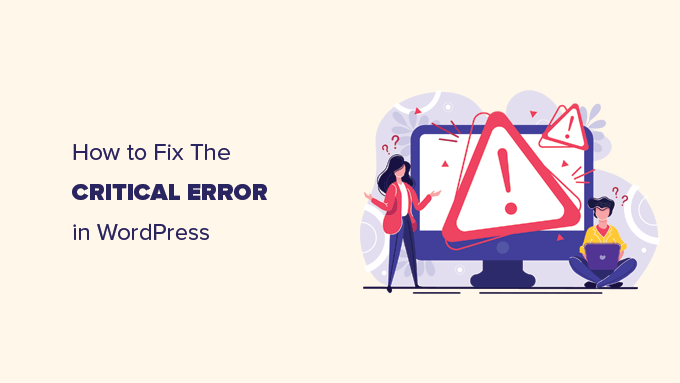
Now let’s walk through the most effective ways to fix a WordPress critical error, starting with the easiest and safest options.
Step 1: Check Your Email for the Recovery Link
WordPress often sends an email to the admin address with details about the error.
Look for:
- The plugin or theme name mentioned
- A recovery mode login link
If available, use this link to access your dashboard and deactivate the problematic component.
Step 2: Enable WordPress Debug Mode
If the email doesn’t help, you can manually enable debugging.
This allows WordPress to show error details instead of the generic critical error message.
By reviewing the error output, you can often identify:
- The exact file causing the issue
- Whether it’s plugin- or theme-related
Debugging is one of the fastest ways to pinpoint the source of a WordPress critical error.
Step 3: Disable All Plugins
If you can’t access the admin panel, use FTP or your hosting file manager.
- Go to
/wp-content/ - Rename the
pluginsfolder to something likeplugins_old
This disables all plugins at once.
If the site loads again, the issue is plugin-related.
Rename the folder back and activate plugins one by one until the error returns.
Step 4: Switch to a Default Theme
If plugins aren’t the problem, the theme might be.
Using FTP or file manager:
- Rename your active theme folder
- WordPress will automatically switch to a default theme
If the site works afterward, your theme is causing the WordPress critical error.
Step 5: Increase the PHP Memory Limit
Many critical errors are caused by memory exhaustion.
You can increase memory limits by:
- Editing
wp-config.php - Adjusting PHP settings in your hosting panel
This is especially important for:
- WooCommerce stores
- Elementor or page-builder sites
- Multi-language websites
Step 6: Check PHP Version Compatibility
Try switching PHP versions in your hosting dashboard.
If your site recently updated:
- Downgrading PHP can restore compatibility
- Upgrading may fix legacy conflicts
Always test carefully — PHP version changes affect the entire site.
Step 7: Reinstall WordPress Core Files
If nothing else works, your WordPress core files may be damaged.
Reinstalling WordPress core:
- Does NOT affect content
- Does NOT remove plugins or themes
- Restores missing or corrupted system files
This step often resolves stubborn WordPress critical error issues.
How to Prevent WordPress Critical Errors in the Future
Fixing the error is only half the solution. Preventing it is even more important.
Here are best practices we recommend for long-term stability.
Always Update Carefully
Never update everything at once.
Before updating:
- Create a full backup
- Test updates on a staging site if possible
This is especially critical for business and cross-border eCommerce websites.
Use Reliable Plugins and Themes
Avoid:
- Abandoned plugins
- Themes with no recent updates
- Unknown developers
Quality code dramatically reduces the risk of WordPress critical errors.
Match PHP Versions Strategically
Don’t blindly upgrade PHP.
Instead:
- Check compatibility first
- Upgrade gradually
- Monitor site behavior after changes
Optimize Hosting for Growth
Many critical errors happen simply because the site outgrows its hosting.
If your website is expanding internationally, adding languages, or handling more traffic, your infrastructure must scale accordingly.
Work With Professionals When Needed
When WordPress becomes part of your business operations, downtime is expensive.
At that stage, relying on trial-and-error fixes is risky.
Final Thoughts: When a Critical Error Is a Wake-Up Call
A WordPress critical error is frustrating, but it’s also informative.
It often signals:
- Growing technical complexity
- Inadequate hosting
- Outdated architecture
- Or the need for professional optimization
If your website supports international business, cross-border eCommerce, or brand growth, stability is not optional — it’s foundational.
How AIRSANG Can Help
At AIRSANG, we specialize in cross-border website design, WordPress optimization, and scalable site architecture.
We don’t just fix WordPress critical errors —
we help brands prevent them altogether by building:
- Clean, stable WordPress structures
- Performance-optimized themes
- Plugin-efficient systems
- Websites designed to grow globally without breaking
If you’re dealing with recurring WordPress critical error issues — or want to build a site that won’t run into them as your business scales — AIRSANG is here to help.
Your website should support your growth, not interrupt it.


Design and build a WordPress website or corporate site with a full eCommerce system for you.
Price range: $200.00 through $2,500.00Custom requirements or special quotations
Original price was: $2.00.$1.00Current price is: $1.00. Are 50 Plugins Too Many for a WordPress eCommerce Store?
Understanding the Real Performance Impact Having 50 plugins on a WordPress eCommerce site isn’t automatically a problem. In fact, the number alone rarely determines performance....

Main Image Design for Amazon Lipstick Conversion
Introduction: Designing a Lipstick Main Image That Sells on Amazon When we design a Main image for an Amazon lipstick, our responsibility goes far beyond...

How Hackers Steal WordPress Admin Emails (And How to Stop Them)
Let’s start with an uncomfortable truth: Your WordPress admin email is probably way more public than you think.And hackers? They love that. To them, your...

What Makes an Amazon Liquid Foundation Main Image Convert
Introduction Designing a Main image design for Amazon Liquid foundation is never just about making a product look beautiful. On Amazon, the main image and...

Designing an Effective Amazon Main Image for Filter Cartridges
Introduction Designing a Main image for Amazon is never just about making a product look attractive. It is about clarity, trust, and instant understanding—especially for...
Replay Attacks on WordPress: Real Threat or Overhyped Myth?
Let’s clear something up first. Replay attacks don’t look scary.They don’t smash passwords.They don’t inject evil code with green hacker text flying everywhere. They’re sneaky....
How to Duplicate WordPress Pages Without Breaking Anything
Let’s face it. Sometimes you don’t want to create a new page.You just want the same page… but slightly different. Same layout.Same blocks.Same settings. Because...

Five Pet WordPress Themes Compared
Introduction Choosing the right pet-related WordPress theme is more than a design decision—it directly affects usability, scalability, and long-term business growth. Pet care and pet...

Comparing Five Swimwear eCommerce Themes
Introduction Choosing the right theme for a swimwear or lingerie independent store is not just a visual decision—it directly affects conversion rates, scalability, and long-term...
How to Turn Off Comments in WordPress (Without Losing Your Mind)
Let’s talk about WordPress comments. In theory, comments are great.They encourage discussion.They build community.They make your website feel “alive.” In reality? They’re often a magnet...
WordPress 500 Error: When Your Website Decides to Panic
Your WordPress site was fine a minute ago.You refreshed the page.And suddenly—boom 💥—500 Internal Server Error. No explanation.No apology.Just a cold, confusing message that basically...

How to Contact Shopify Support: Simple, Stress-Free Guide
Running a Shopify store should feel exciting—not confusing. When questions pop up or issues slow you down, Shopify offers several support paths depending on what...
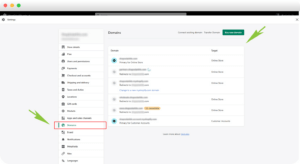
How to Deactivate a Shopify Store: A Clear, Practical Guide
Deactivating a Shopify store isn’t complicated, but it does come with consequences many merchants overlook. This guide breaks the process down in a simple, educational...
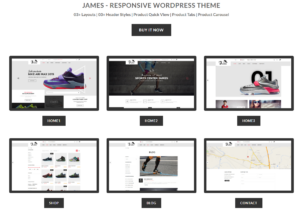
Five Shoe Store Themes Compared
Introduction Choosing the right theme for a footwear-focused independent store is not just a visual decision—it directly affects scalability, daily operations, and long-term conversion performance....

Shopify vs Etsy: The Ultimate Online Selling Showdown
Introduction: Two Platforms Walk Into a Bar… If Shopify and Etsy were people, Etsy would be that charming friend who already has a booth at...

Is Your Shopify or WordPress Site Hacked? Here’s What to Do
Introduction: The Digital Equivalent of Waking Up to a Broken Window Imagine waking up, grabbing your morning coffee, opening your laptop… and discovering your website...

How to Start a Shopify Store Without Losing Your Mind
Starting a Shopify store sounds glamorous. You picture yourself sipping coffee at noon, checking sales notifications, and casually telling friends,“Yeah, my store did pretty well...

Is Shopify Legit? A Clear Guide for New Online Sellers
If you’re researching eCommerce platforms, chances are you’ve typed one very specific question into Google: is Shopify legit? That question is completely reasonable. Launching an...