












Let’s talk about WordPress comments.
In theory, comments are great.
They encourage discussion.
They build community.
They make your website feel “alive.”
In reality?
They’re often a magnet for spam bots, SEO scammers, and that one guy who really wants to argue about something completely unrelated.
So if you’ve ever thought:
“I just want comments gone. Quietly. Permanently.”
You’re not alone.
The good news: turning off comments in WordPress is easy—once you know where WordPress hides the switches.
Let’s walk through every sane way to control, disable, or selectively allow comments—without breaking your site or your patience.
First: Do You Even Need Comments?
Before we start flipping switches, let’s be honest.
Not every website benefits from comments.
Comments make sense if:
- You run a blog with active readers
- You publish opinion pieces or tutorials
- You actually reply to comments
Comments often don’t make sense if:
- You run a business website
- You sell products or services
- You already handle communication via forms, email, or chat
For many modern sites, comments add noise—not value.
Turning them off isn’t anti-community.
It’s intentional design.
How WordPress Handles Comments (In Plain English)
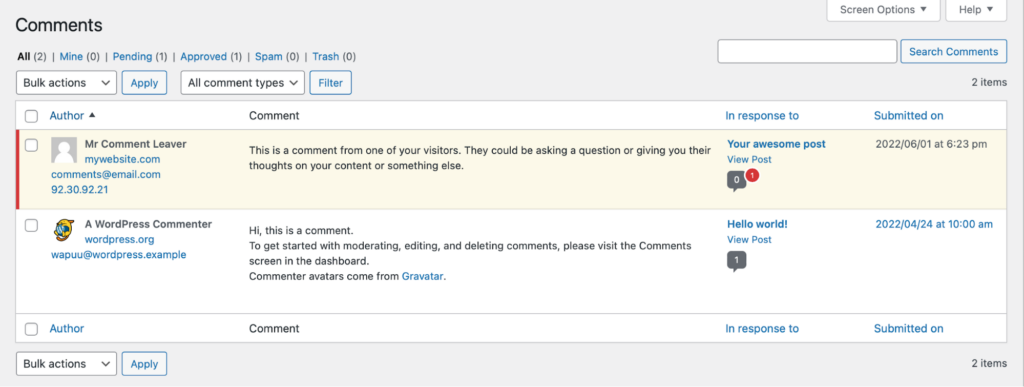
WordPress treats comments in two main ways:
- Global settings – affect future posts
- Post-level settings – affect individual posts or pages
That’s why people get confused.
They turn comments off globally, but old posts still allow comments.
Let’s fix that properly.
Option 1: Turn Comments On or Off for All Future Posts
This is the master switch.
If you want to stop comments from appearing on anything you publish from now on, do this:
Step-by-step
- Go to your WordPress Dashboard
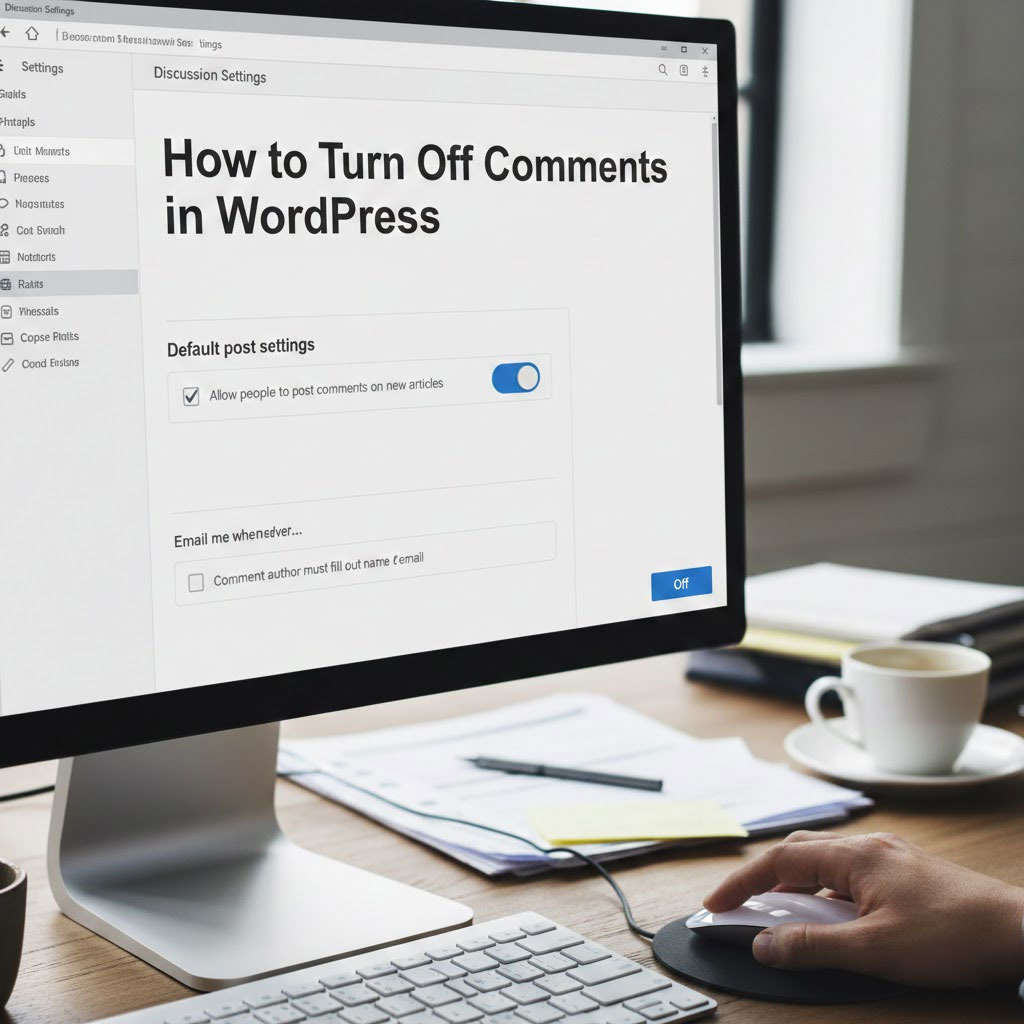
- Click Settings → Discussion
- Find the section called Default post settings
- Look for: “Allow people to submit comments on new posts”
- ✅ Checked = comments ON
❌ Unchecked = comments OFF - Click Save Changes
That’s it.
From this point forward:
- New posts won’t have comments (if disabled)
- Old posts stay exactly as they are
Which brings us to…
“Why Are Comments Still Showing on Old Posts?”
Because WordPress loves consistency—sometimes too much.
Global settings do not retroactively affect existing content.
If you published posts when comments were enabled, they’ll keep comments unless you change them individually (or in bulk).
Let’s handle that.
Option 2: Enable or Disable Comments on a Specific Post or Page
This is perfect when:
- You want comments on blog posts
- But NOT on pages like “About,” “Contact,” or “Checkout”
Step-by-step
- Go to Posts or Pages
- Click the post or page you want to edit
- Look at the right-hand settings sidebar
- If you don’t see it, click the ⚙️ Settings icon (top right)
- Scroll to Discussion
- Choose:
- Open → comments enabled
- Closed → comments disabled
- Optionally toggle pingbacks
- Click Save
Done.
No plugins. No code. No drama.
“Wait, I Don’t See the Discussion Section”
Classic WordPress moment.
If the Discussion panel is missing:
- Click the three-dot menu (top right)
- Select Preferences
- Enable Discussion under Panels
WordPress hides things for fun. You’re not imagining it.
Option 3: Disable Comments on Multiple Posts at Once (Bulk Edit)
If you have:
- 50 posts
- 200 posts
- Or “I’ve been blogging since 2014” energy
You do not want to click posts one by one.
Bulk edit steps
- Go to Posts or Pages
- Select multiple items using the checkboxes
- Click Bulk actions → Edit
- Click Apply
- Find the Comments dropdown
- Choose:
- Do not allow
- Click Update
WordPress will quietly close comments on everything you selected.
Very satisfying.
What About Pingbacks and Trackbacks?
Ah yes—WordPress’s attempt at being social in 2006.
Pingbacks and trackbacks allow other sites to notify yours when they link to you.
In reality?
- Mostly spam
- Rarely useful
- Almost always ignored
You’ll see them in the same Discussion settings.
Recommendation:
👉 Turn them off unless you have a specific reason not to.
Extra Control: Comment Moderation Settings
If you do keep comments enabled, you still have options.
Under Settings → Discussion, you can:
- Require users to log in to comment
- Hold comments for moderation
- Block comments with links
- Auto-approve trusted commenters
These settings are great for:
- Reducing spam
- Preventing link drops
- Maintaining sanity
Think of it as crowd control, not censorship.
Comments vs. Modern Websites: A Design Reality Check
Here’s the truth many WordPress guides won’t say:
Most modern business websites should not use comments.
Today’s interaction happens through:
- Contact forms
- Live chat
- Social media
Comments can:
- Hurt page performance
- Increase spam maintenance
- Add legal/moderation risk
Turning them off is often a strategic choice—not laziness.
Common Mistakes to Avoid
Let’s save you some future frustration.
❌ Turning off comments globally and assuming old posts are covered
❌ Forgetting pages have comments enabled by default
❌ Using plugins when native WordPress settings already do the job
❌ Leaving comments enabled on checkout or product pages
Yes, that happens. More than you think.
Do You Need a Plugin to Disable Comments?
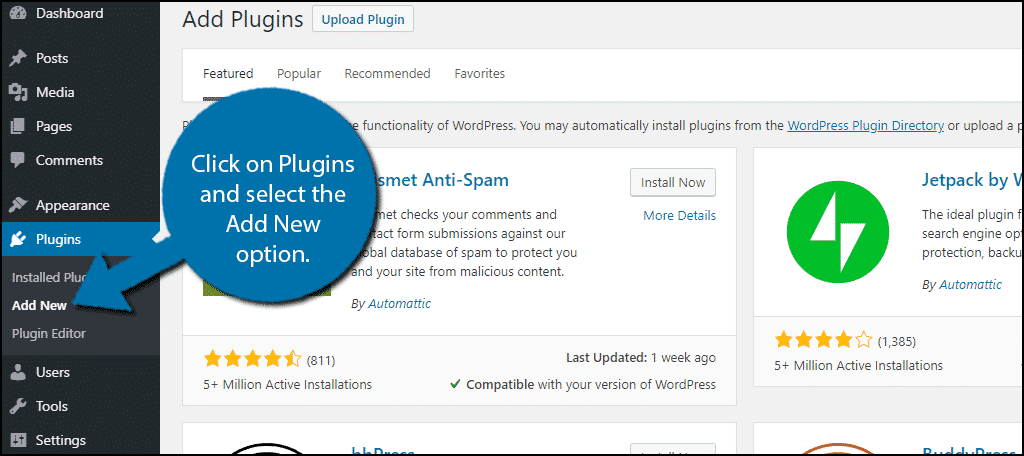
Short answer: No.
WordPress already includes everything you need.
Plugins make sense only if:
- You want advanced rules
- You manage massive content libraries
- You need role-based comment logic
Otherwise, native settings are cleaner and faster.
Final Thoughts: Comments Are a Choice, Not a Requirement
WordPress comments aren’t mandatory.
They’re optional.
You’re not “breaking” your site by disabling them.
You’re shaping how users interact with your brand.
At AIRSANG, this mindset guides how we build websites.
We specialize in cross-border WordPress and Shopify websites, focusing on structure, performance, clarity, and conversion—not just default features.
Whether it’s:
- Turning off comments
- Cleaning up bloated layouts
- Designing scalable global pages
We help brands build websites that actually work.
If you’re planning a redesign, expanding internationally, or want a cleaner, more intentional WordPress setup, follow AIRSANG.
We don’t just design websites—we design systems that grow with your business.


Design and build a WordPress website or corporate site with a full eCommerce system for you.
Price range: $200.00 through $2,500.00Custom requirements or special quotations
Original price was: $2.00.$1.00Current price is: $1.00. Are 50 Plugins Too Many for a WordPress eCommerce Store?
Understanding the Real Performance Impact Having 50 plugins on a WordPress eCommerce site isn’t automatically a problem. In fact, the number alone rarely determines performance....

Main Image Design for Amazon Lipstick Conversion
Introduction: Designing a Lipstick Main Image That Sells on Amazon When we design a Main image for an Amazon lipstick, our responsibility goes far beyond...

How Hackers Steal WordPress Admin Emails (And How to Stop Them)
Let’s start with an uncomfortable truth: Your WordPress admin email is probably way more public than you think.And hackers? They love that. To them, your...

What Makes an Amazon Liquid Foundation Main Image Convert
Introduction Designing a Main image design for Amazon Liquid foundation is never just about making a product look beautiful. On Amazon, the main image and...

Designing an Effective Amazon Main Image for Filter Cartridges
Introduction Designing a Main image for Amazon is never just about making a product look attractive. It is about clarity, trust, and instant understanding—especially for...
Replay Attacks on WordPress: Real Threat or Overhyped Myth?
Let’s clear something up first. Replay attacks don’t look scary.They don’t smash passwords.They don’t inject evil code with green hacker text flying everywhere. They’re sneaky....
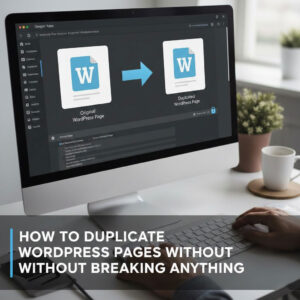
How to Duplicate WordPress Pages Without Breaking Anything
Let’s face it. Sometimes you don’t want to create a new page.You just want the same page… but slightly different. Same layout.Same blocks.Same settings. Because...

Five Pet WordPress Themes Compared
Introduction Choosing the right pet-related WordPress theme is more than a design decision—it directly affects usability, scalability, and long-term business growth. Pet care and pet...

Comparing Five Swimwear eCommerce Themes
Introduction Choosing the right theme for a swimwear or lingerie independent store is not just a visual decision—it directly affects conversion rates, scalability, and long-term...

WordPress 500 Error: When Your Website Decides to Panic
Your WordPress site was fine a minute ago.You refreshed the page.And suddenly—boom 💥—500 Internal Server Error. No explanation.No apology.Just a cold, confusing message that basically...

How to Contact Shopify Support: Simple, Stress-Free Guide
Running a Shopify store should feel exciting—not confusing. When questions pop up or issues slow you down, Shopify offers several support paths depending on what...
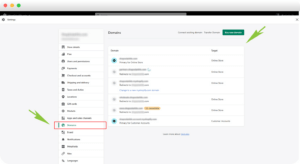
How to Deactivate a Shopify Store: A Clear, Practical Guide
Deactivating a Shopify store isn’t complicated, but it does come with consequences many merchants overlook. This guide breaks the process down in a simple, educational...
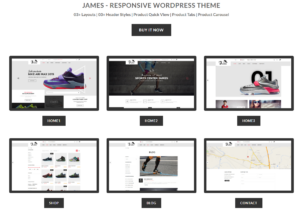
Five Shoe Store Themes Compared
Introduction Choosing the right theme for a footwear-focused independent store is not just a visual decision—it directly affects scalability, daily operations, and long-term conversion performance....

Shopify vs Etsy: The Ultimate Online Selling Showdown
Introduction: Two Platforms Walk Into a Bar… If Shopify and Etsy were people, Etsy would be that charming friend who already has a booth at...

Is Your Shopify or WordPress Site Hacked? Here’s What to Do
Introduction: The Digital Equivalent of Waking Up to a Broken Window Imagine waking up, grabbing your morning coffee, opening your laptop… and discovering your website...

How to Start a Shopify Store Without Losing Your Mind
Starting a Shopify store sounds glamorous. You picture yourself sipping coffee at noon, checking sales notifications, and casually telling friends,“Yeah, my store did pretty well...

Is Shopify Legit? A Clear Guide for New Online Sellers
If you’re researching eCommerce platforms, chances are you’ve typed one very specific question into Google: is Shopify legit? That question is completely reasonable. Launching an...

Kids Clothing Store Themes Compared: WordPress & Shopify
Introduction Choosing the right theme is one of the most important decisions when building a kids or baby clothing independent store. Design tone, platform compatibility,...