











Introduction
The Oasis fashion website represents a carefully engineered balance between editorial storytelling and high-performance e-commerce design. Every section is structured to guide users through a seamless journey—from inspiration to product discovery to final purchase—without overwhelming them with unnecessary complexity. Instead of relying on a purely transactional interface, the design leans heavily into lifestyle-driven visuals, curated collections, and emotionally engaging typography.
From a designer’s perspective, the entire system is built around one central principle: reduce friction while increasing desire. This is achieved through strategic layout hierarchy, consistent visual language, and intentional spacing that allows each product and campaign message to breathe. The following breakdown analyzes the website in the same sequence as its visual architecture, explaining why each design decision supports user engagement and conversion optimization.
| Deliver Time | Category | Website Type |
| 20days | Women’s Clothing | Self-built website |
| Designers Involved | Cost | Effect |
| Nancy | $2200 | Sales📈284% |
Hero Banner: £25 & Under Campaign Design
Visual Hierarchy and Emotional Impact
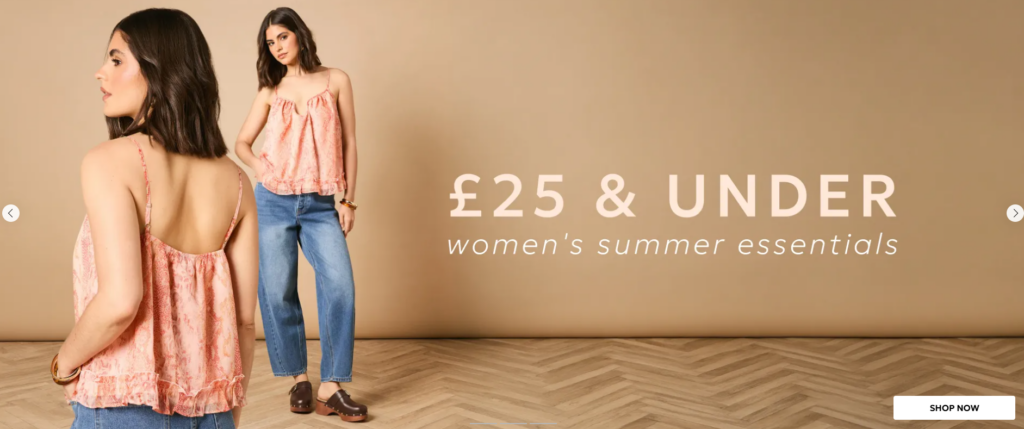
The hero section featuring “£25 & UNDER women’s summer essentials” is designed as the primary conversion driver. We intentionally place strong typographic emphasis on pricing because affordability is one of the fastest decision-making triggers in fashion e-commerce. The large-scale price text immediately communicates value before the user even processes product details.
The model imagery is positioned to the left, creating a natural reading flow that moves from emotional visual engagement to informational clarity. This left-to-right structure aligns with Western browsing behavior, ensuring users absorb the lifestyle appeal before processing transactional messaging.
Typography and Minimal Messaging
We deliberately keep the supporting text minimal. “women’s summer essentials” is used as a contextual reinforcement rather than a descriptive paragraph. This avoids cognitive overload and ensures the user focuses on the core offer. The typography is light, modern, and evenly spaced to reflect a premium yet accessible brand identity.
Background and Atmosphere
The warm neutral background is not accidental. It creates a seasonal summer tone while ensuring the clothing remains the visual focal point. By avoiding high-contrast distractions, the design maintains a soft, editorial aesthetic that enhances product perception.
Category Navigation Circles

Fast Scanning Behavior Design
The circular category navigation module is designed to support rapid browsing behavior. Users in fashion e-commerce typically scan before they read, so each category is represented through strong visual cues rather than text-heavy menus.
Each circle functions as a micro-entry point into a product universe, reducing the time required to locate relevant items. Categories such as “Dresses,” “Occasionwear,” and “Shoes” are immediately recognizable through imagery, which improves click-through probability.
Promotional Anchor Strategy
The “UP TO 75% OFF” badge is intentionally designed as a red circular anchor. This is not just decorative—it acts as a psychological trigger. Red is used to signal urgency, while the circular shape differentiates it from product categories, ensuring it stands out as the primary promotional gateway.
Consistency and Visual Rhythm
All category images follow a consistent framing system. This ensures that despite different product types, the layout remains visually balanced. Equal spacing and uniform sizing create rhythm, making the section easy to scan even on mobile devices.
Editorial Grid: Lifestyle Storytelling Blocks
Magazine-Style Layout Structure
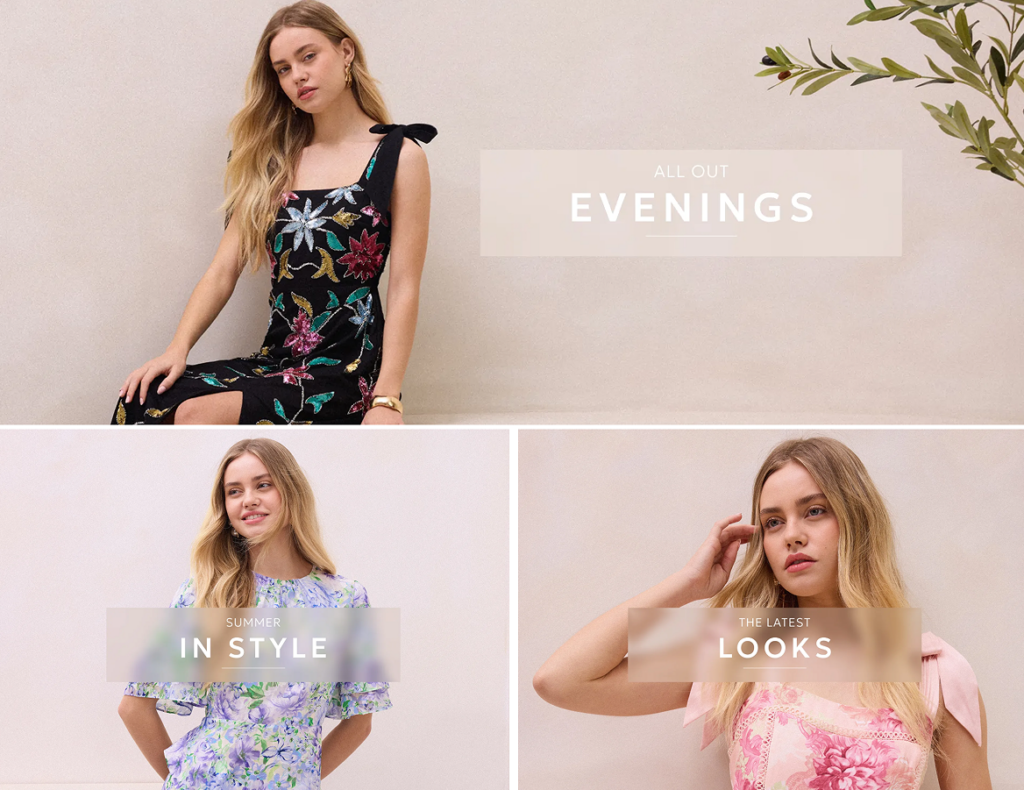
The editorial section featuring “ALL OUT EVENINGS,” “SUMMER IN STYLE,” and “THE LATEST LOOKS” is built like a digital fashion magazine. Instead of presenting products in isolation, each block communicates a lifestyle narrative.
We use a grid system that balances visual weight across three panels. The top hero panel dominates attention, while the two lower panels provide supporting lifestyle contexts. This hierarchy ensures users first engage with a strong emotional concept before exploring variations.
Emotional Framing Through Typography
Typography overlays are placed directly on imagery with semi-transparent backgrounds. This technique ensures readability while preserving visual immersion. The phrases are short, aspirational, and mood-driven rather than descriptive, allowing users to interpret the style context emotionally.
Cohesion Through Neutral Color System
All panels share a unified soft background tone. This consistency ensures that even when outfits vary in color and style, the overall interface remains cohesive. The design avoids visual fragmentation, which is critical for maintaining premium perception.
Trending Now and Collections Grid
Dual-Layer Navigation System
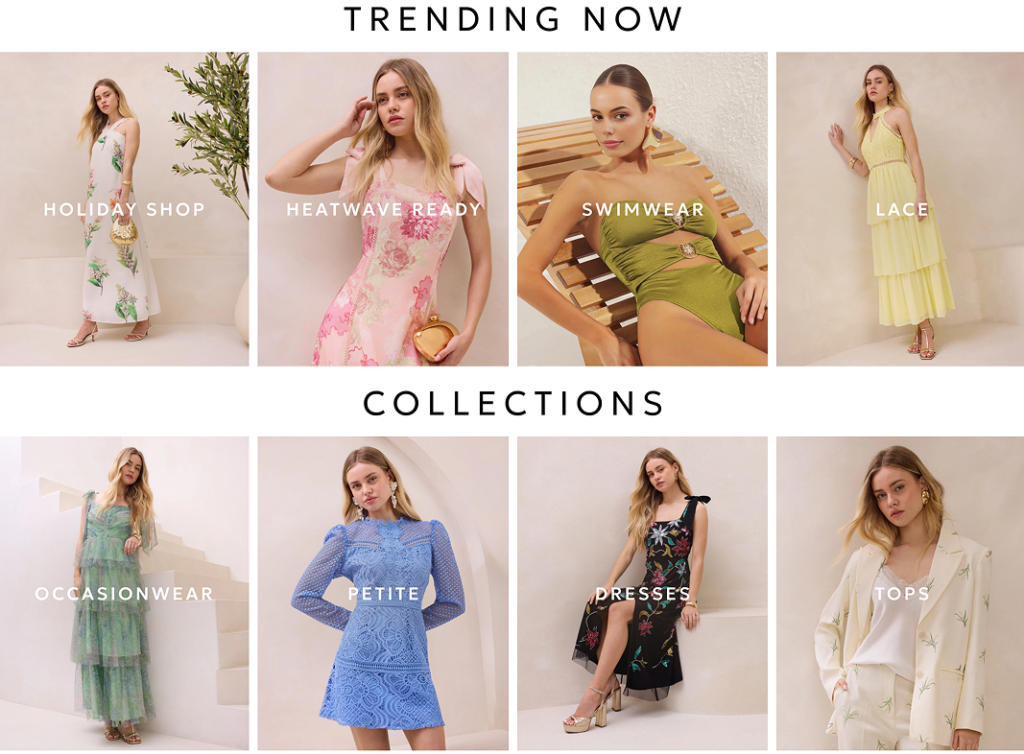
The “TRENDING NOW” and “COLLECTIONS” sections are structured as a dual-layer discovery system. The top layer focuses on seasonal trends, while the lower layer organizes long-term category shopping.
This separation allows users to shift between inspiration-driven browsing and structured shopping without cognitive conflict.
Trend-Based Emotional Triggers
Each trending panel uses emotional keywords such as “SWIMWEAR,” “HEATWAVE READY,” and “HOLIDAY SHOP.” These labels are intentionally lifestyle-oriented rather than product-specific. This encourages users to imagine scenarios rather than simply evaluate products.
The full-height imagery reinforces this storytelling approach, making each item feel like part of a curated fashion moment.
Functional Category Grid
The lower “COLLECTIONS” section introduces structured navigation logic. Categories like “DRESSES,” “TOPS,” and “PETITE” are arranged in a clean grid to support efficient browsing. Unlike the editorial section, this area prioritizes usability over emotional storytelling.
We deliberately alternate poses and compositions to avoid visual repetition while maintaining consistent lighting and tone.
Brand Showcase Section
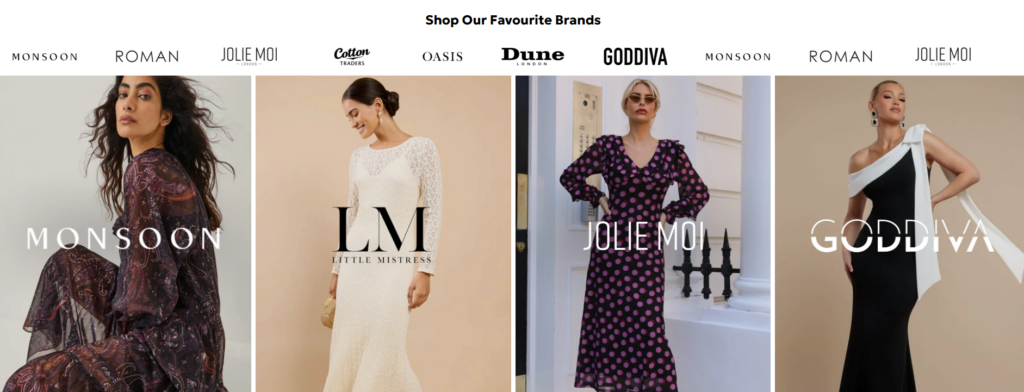
Trust Through Brand Association
The “Shop Our Favourite Brands” module is designed to build immediate trust through recognizable fashion labels. Brand logos placed at the top act as credibility markers, signaling that the platform curates established and reliable fashion sources.
This reduces purchase hesitation, especially for new users who may not yet trust the platform itself.
Editorial Brand Presentation
Instead of listing brands in a basic row format, each brand is paired with full-height editorial imagery. This transforms brand browsing into a storytelling experience, where each label is represented by its aesthetic identity.
This method increases emotional differentiation between brands, helping users select based on style personality rather than price alone.
Balanced Visual Hierarchy
The alternating image layout ensures that no single brand dominates the section. Equal visual weight maintains fairness while still allowing each brand to express individuality.
Product Detail Page UX Strategy
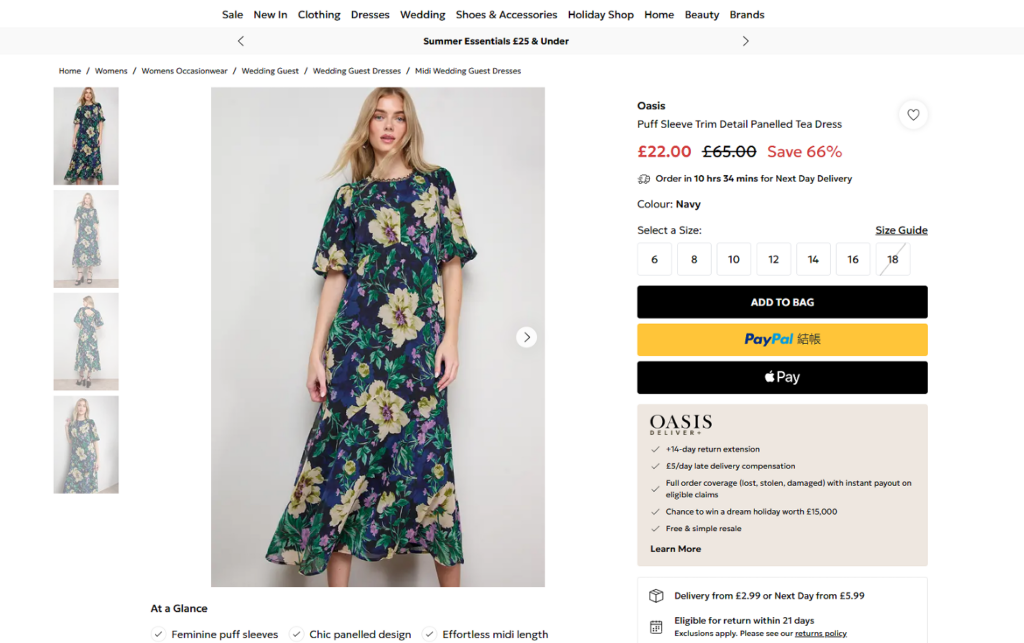
Structured Purchase Flow Design
The product detail page is designed with a strict left-to-right hierarchy. The left side focuses on visual storytelling through multiple product images, while the right side handles transactional actions such as pricing, sizing, and purchase buttons.
This separation reduces cognitive conflict by isolating inspiration from decision-making.
Image-First Confidence Building
Multiple product angles are provided to reduce uncertainty. In fashion e-commerce, users cannot physically interact with products, so imagery must compensate by showing texture, fit, and movement.
The main product image is intentionally larger to create emotional impact, while thumbnails allow controlled exploration.
Pricing and Urgency Design
Discounts are highlighted in red to create urgency and perceived value. The “ADD TO BAG” button is designed as the strongest visual element in the interaction hierarchy, ensuring it becomes the natural next step after viewing the product.
Layered Information Architecture
Below the main purchase section, information is structured into digestible layers:
- “At a Glance” provides quick benefits scanning
- Description expands storytelling and material detail
- Collapsible sections reduce cognitive overload
This structure ensures both fast shoppers and detail-oriented users are accommodated.
Cross-Selling and Retention Logic
The “Handpicked For You” module introduces product recommendations without disrupting the primary purchase flow. This increases average order value while maintaining focus on the selected product.
Overall Design Philosophy
Conversion-Driven Editorial Design
Across all sections, the website consistently blends editorial aesthetics with conversion-driven structure. Instead of forcing users into a rigid shopping interface, it invites them into a curated fashion experience.
Emotional + Functional Balance
Every module is designed with a dual purpose:
- Emotional engagement through imagery and storytelling
- Functional clarity through structured navigation and pricing
This balance ensures that users feel inspired while still being guided toward purchase decisions.
Consistency Across System
Despite varied content types—hero banners, grids, product pages—the system maintains consistency through:
- Neutral color palettes
- Soft lighting in imagery
- Clean typography hierarchy
- Predictable spacing rules
This consistency builds trust and improves usability across the entire journey.
Conclusion
Ultimately, the Oasis fashion website succeeds because it treats e-commerce as a curated experience rather than a transactional interface. Every section is intentionally designed to reduce friction, guide attention, and elevate perceived product value through a combination of visual storytelling and structured UX logic. From promotional hero banners to editorial grids, category systems, and product detail pages, the entire journey is carefully orchestrated to move users from inspiration to confident purchase decisions.
As designers, we focus on creating a seamless emotional flow—where users first feel inspired by lifestyle imagery, then naturally transition into structured browsing, and finally arrive at a clear, frictionless checkout path. The strength of this system lies in its consistency: typography, spacing, imagery tone, and interaction patterns all work together to build trust and reinforce brand identity.
In a competitive fashion e-commerce landscape, this approach transforms the website into more than a shopping platform—it becomes a digital editorial space that reflects aspiration, identity, and style.

Design and build a WordPress website or corporate site with a full eCommerce system for you.
Price range: $200.00 through $2,500.00custom-requirements-or-special-quotations
Original price was: $2.00.$1.00Current price is: $1.00. Main Image Design for Amazon Home Physiotherapy Device Explained
Introduction: Building a Trustworthy Image for Home Therapy Devices on Amazon When designing the main image for a home therapy device on Amazon, our primary...
Main Image Design for Amazon Lipstick Conversion
Introduction: Designing a Lipstick Main Image That Sells on Amazon When we design a Main image for an Amazon lipstick, our responsibility goes far beyond...

How Hackers Steal WordPress Admin Emails (And How to Stop Them)
Let’s start with an uncomfortable truth: Your WordPress admin email is probably way more public than you think.And hackers? They love that. To them, your...
What Makes an Amazon Liquid Foundation Main Image Convert
Introduction Designing a Main image design for Amazon Liquid foundation is never just about making a product look beautiful. On Amazon, the main image and...
Designing an Effective Amazon Main Image for Filter Cartridges
Introduction Designing a Main image for Amazon is never just about making a product look attractive. It is about clarity, trust, and instant understanding—especially for...
Replay Attacks on WordPress: Real Threat or Overhyped Myth?
Let’s clear something up first. Replay attacks don’t look scary.They don’t smash passwords.They don’t inject evil code with green hacker text flying everywhere. They’re sneaky....
How to Duplicate WordPress Pages Without Breaking Anything
Let’s face it. Sometimes you don’t want to create a new page.You just want the same page… but slightly different. Same layout.Same blocks.Same settings. Because...
Five Pet WordPress Themes Compared
Introduction Choosing the right pet-related WordPress theme is more than a design decision—it directly affects usability, scalability, and long-term business growth. Pet care and pet...
Comparing Five Swimwear eCommerce Themes
Introduction Choosing the right theme for a swimwear or lingerie independent store is not just a visual decision—it directly affects conversion rates, scalability, and long-term...
How to Turn Off Comments in WordPress (Without Losing Your Mind)
Let’s talk about WordPress comments. In theory, comments are great.They encourage discussion.They build community.They make your website feel “alive.” In reality? They’re often a magnet...

Building a Scalable WordPress Website for a Science-Driven Brand: The AminoUSA Project
Introduction In today’s digital landscape, a website is more than a place to list products. For science-driven brands operating in regulated or research-focused industries, a...
Building a Scalable Shopify Store for a Global Blade Brand: The CoolKatana Project
Introduction In cross-border eCommerce, a Shopify website is more than a storefront.For brands operating in niche, culture-driven categories, the website must do far more than...
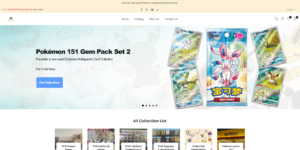
Designing a High-Conversion Shopify Store for Pokémon Cards
Introduction In the world of collectible eCommerce, especially within the Pokémon Trading Card Game (TCG) market, a website must do more than simply list products....
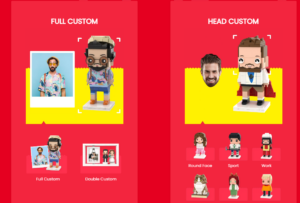
High-Converting Shopify Design for a Custom Brick Brand
Introduction In today’s competitive eCommerce landscape, especially in the personalized gift and collectible space, a Shopify website must do far more than display products. It...
How to Contact Shopify Support: Simple, Stress-Free Guide
Running a Shopify store should feel exciting—not confusing. When questions pop up or issues slow you down, Shopify offers several support paths depending on what...
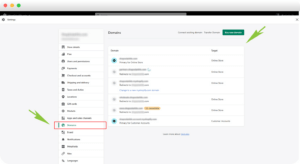
How to Deactivate a Shopify Store: A Clear, Practical Guide
Deactivating a Shopify store isn’t complicated, but it does come with consequences many merchants overlook. This guide breaks the process down in a simple, educational...
Shopify Website Design Case Study for a Premium Floral Brand
Introduction In today’s competitive eCommerce landscape, a Shopify website must do far more than display products. It needs to communicate brand value instantly, guide users...
Shopify Design Case Study: Retro Gaming Store
Introduction In a highly competitive eCommerce environment, visual clarity and emotional connection often determine whether a visitor becomes a customer. This is especially true in...