







When building a website, one of the first and most important decisions you’ll make is choosing the right Content Management System (CMS). For years, Drupal e WordPress have been two of the most widely discussed options. Both are open‑source, both are powerful, and both can support anything from small websites to large, complex projects.
But they are built with very different philosophies in mind.
This article takes a clear, educational, and non‑technical approach to explaining Drupal vs WordPress, helping beginners, business owners, and cross‑border brands understand which platform fits their needs best. Instead of diving deep into code, we’ll focus on real‑world use cases, strengths, limitations, and decision‑making factors.
Entendendo a diferença fundamental
At a high level, the difference between Drupal and WordPress comes down to who they are designed for.
- WordPress prioritizes ease of use, flexibility, and speed of deployment.
- Drupal prioritizes structure, scalability, and complex data management.
Neither is “better” in all situations. The right choice depends on your goals, budget, technical resources, and long‑term plans.
What Is WordPress?
WordPress began as a blogging platform but has evolved into the world’s most popular CMS, powering over 40% of all websites globally.
Key Characteristics of WordPress
- Beginner‑friendly dashboard
- Large ecosystem of themes and plugins
- Strong community support
- Suitable for blogs, business websites, portfolios, and eCommerce
One of WordPress’s biggest strengths is that non‑technical users can manage content easily. You don’t need to be a developer to publish pages, update products, or optimize content for SEO.
What Is Drupal?
Drupal is a highly flexible CMS known for handling complex, data‑heavy websites. It’s often used by government agencies, universities, and large enterprises.
Key Characteristics of Drupal
- Advanced content modeling
- Strong security framework
- Excellent scalability
- High customization potential
Drupal gives developers fine‑grained control over content structures and permissions. However, that power comes with a steeper learning curve.
Ease of Use: WordPress vs Drupal
WordPress
WordPress is designed with usability in mind. The admin interface is intuitive, and most tasks—creating pages, uploading images, installing plugins—can be done with a few clicks.
Visual page builders and modern block editors make layout creation accessible even to beginners.
Drupal
Drupal’s interface is less beginner‑friendly. Content types, views, and permissions require planning and technical understanding. While recent versions have improved usability, Drupal still expects users to have some technical background.
Winner for ease of use: WordPress
Customization and Flexibility
WordPress Customization
WordPress customization largely relies on:
- Temas
- Plugins
- Page builders
This ecosystem allows rapid customization without heavy development. However, extreme customization can sometimes lead to performance or maintenance challenges if not handled carefully.
Drupal Customization
Drupal excels at structured customization. You can define custom content types, relationships, and workflows at a very granular level. This makes it ideal for projects that require complex logic and permissions.
Winner for structured flexibility: Drupal
Plugins, Modules, and Ecosystems
WordPress Plugins
WordPress offers tens of thousands of plugins covering:
- SEO
- eCommerce
- Otimização de desempenho
- Multilingual support
- Marketing integrations
This massive ecosystem is one of WordPress’s biggest advantages.
Drupal Modules
Drupal modules are powerful but fewer in number. They tend to be more developer‑focused and require careful configuration.
Winner for ecosystem size and convenience: WordPress
Performance and Scalability
Desempenho do WordPress
WordPress can scale well when optimized correctly, using:
- Armazenamento em cache
- CDN integration
- Quality hosting
However, poor plugin choices or low‑quality themes can impact performance.
Drupal Performance
Drupal is built for high‑traffic, enterprise‑level websites. Its architecture handles complex queries and large datasets more efficiently by default.
Winner for enterprise‑level scalability: Drupal
Security Comparison
Security is often cited as a major reason organizations choose Drupal.
Drupal Security
- Strong core security practices
- Trusted by governments and institutions
- Strict permission systems
WordPress Security
WordPress itself is secure, but its large plugin ecosystem means security depends heavily on proper management, updates, and hosting.
Winner for built‑in security structure: Drupal
SEO Capabilities

WordPress SEO
WordPress is widely considered one of the most SEO‑friendly platforms, thanks to:
- Clean URL structures
- SEO plugins
- Easy content optimization
Drupal SEO
Drupal also supports strong SEO capabilities but usually requires more configuration and technical setup.
Winner for SEO accessibility: WordPress
eCommerce: Drupal vs WordPress
WordPress eCommerce
With WooCommerce, WordPress becomes a powerful eCommerce platform suitable for:
- Small to mid‑size stores
- Cross‑border brands
- Content‑driven commerce
Drupal eCommerce
Drupal Commerce is highly flexible but more complex to implement and maintain.
Winner for fast eCommerce deployment: WordPress
Cost Considerations
Both platforms are open‑source, but total cost depends on:
- Development complexity
- Hospedagem
- Manutenção
WordPress typically has lower upfront and ongoing costs. Drupal often requires developer involvement, increasing long‑term investment.
Who Should Choose WordPress?
WordPress is ideal if you:
- Want a fast launch
- Have limited technical resources
- Focus on content marketing or SEO
- Operate a cross‑border brand or business website
Who Should Choose Drupal?
Drupal is better if you:
- Manage complex data structures
- Require advanced permission systems
- Operate at enterprise or institutional scale
Final Verdict: Drupal vs WordPress
There is no universal winner in the Drupal vs WordPress debate.
- WordPress wins in accessibility, speed, and ecosystem richness.
- Drupal wins in structure, security, and enterprise scalability.
The best CMS is the one that aligns with your business goals—not just technical capability.
How This Relates to Cross‑Border Business
For most cross‑border businesses, especially those focused on branding, SEO, and conversion‑driven design, WordPress is often the more practical choice. It allows rapid iteration, multilingual expansion, and marketing integration without heavy development costs.
That said, choosing the right CMS is only half the equation.
How the website is designed, structured, and optimized matters even more.
Em AIRSANG, we specialize in cross‑border website design and CMS‑based solutions—especially WordPress‑driven projects tailored for international audiences. From layout planning and visual design to conversion optimization, we help brands turn their websites into real growth tools.
If you’re deciding between Drupal vs WordPress—or need expert help designing a high‑performing cross‑border website—AIRSANG está aqui para ajudar.


Conceber e construir um sítio Web WordPress ou um sítio empresarial com um sistema de comércio eletrónico completo para si.
Faixa de preço: $200.00 a $2,500.00Requisitos personalizados ou orçamentos especiais
O preço original era: $2.00.$1.00O preço atual é: $1.00. 50 plugins são demais para uma loja virtual WordPress?
Entendendo o Impacto Real no Desempenho Ter 50 plugins em um site de eCommerce WordPress não é automaticamente um problema. Na verdade, o número por si só raramente determina o desempenho....
Design da imagem principal para conversão de batom da Amazon
Introdução: Conceber uma imagem principal de batom que vende na Amazon Quando concebemos uma imagem principal para um batom da Amazon, a nossa responsabilidade vai muito além...

Como os hackers roubam e-mails de administradores do WordPress (e como impedi-los)
Vamos começar com uma verdade incómoda: o seu e-mail de administrador do WordPress é provavelmente muito mais público do que pensa e os hackers? Eles adoram isso. Para eles, o seu...

O que faz uma base líquida da Amazon converter a imagem principal?
Introdução: Criar uma imagem principal para a base líquida da Amazon não se resume apenas a deixar o produto bonito. Na Amazon, a imagem principal e...

Como projetar uma imagem principal eficaz para cartuchos de filtro Amazon
Introdução: Criar uma imagem principal para a Amazon nunca se resume apenas a tornar um produto atraente. Trata-se de clareza, confiança e compreensão imediata — especialmente para...

Ataques de repetição no WordPress: ameaça real ou mito exagerado?
Vamos esclarecer uma coisa primeiro. Ataques de repetição não parecem assustadores. Eles não quebram senhas. Eles não injetam código malicioso com texto verde de hacker voando por toda parte. Eles são sorrateiros...
Como duplicar páginas do WordPress sem danificar nada
Vamos ser sinceros. Às vezes você não quer criar uma página nova. Você só quer a mesma página… mas um pouco diferente. Mesmo layout. Mesmos blocos. Mesmas configurações. Porque….

Comparativo de cinco temas WordPress para animais de estimação
Introdução Escolher o tema WordPress certo para o seu negócio de animais de estimação é mais do que uma decisão de design — afeta diretamente a usabilidade, a escalabilidade e o crescimento a longo prazo. Cuidados com animais de estimação e...

Comparando cinco temas de e-commerce de moda praia
Introdução: Escolher o tema certo para uma loja independente de moda praia ou lingerie não é apenas uma decisão visual — afeta diretamente as taxas de conversão, a escalabilidade e o sucesso a longo prazo...
Como desativar os comentários no WordPress (sem enlouquecer)
Vamos falar sobre os comentários do WordPress. Em teoria, os comentários são ótimos. Eles incentivam a discussão, constroem comunidade e dão vida ao seu site. Na prática? Muitas vezes, eles atraem...

Erro 500 do WordPress: Quando seu site decide entrar em pânico
Seu site WordPress estava funcionando perfeitamente até um minuto atrás. Você atualizou a página. E de repente — bum 💥 — Erro Interno do Servidor 500. Sem explicação. Sem pedido de desculpas. Apenas uma mensagem fria e confusa que basicamente...
Como entrar em contato com o suporte da Shopify: um guia simples e sem complicações.
Gerir uma loja Shopify deve ser uma experiência empolgante, não confusa. Quando surgem dúvidas ou problemas que atrapalham o seu trabalho, a Shopify oferece diversas opções de suporte, dependendo da situação.
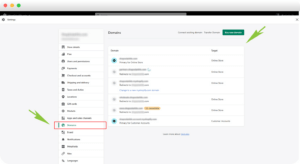
Como desativar uma loja Shopify: um guia claro e prático
Desativar uma loja Shopify não é complicado, mas acarreta consequências que muitos lojistas ignoram. Este guia explica o processo de forma simples e didática...
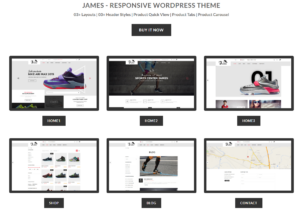
Comparação de cinco temas para lojas de calçados
Introdução: Escolher o tema certo para uma loja independente focada em calçados não é apenas uma decisão visual — afeta diretamente a escalabilidade, as operações diárias e o desempenho de conversão a longo prazo.

Shopify vs Etsy: O confronto definitivo de vendas online
Introdução: Duas plataformas entram num bar… Se a Shopify e a Etsy fossem pessoas, a Etsy seria aquele amigo simpático que já tem um estande no….

Seu site Shopify ou WordPress foi invadido? Veja o que fazer.
Introdução: O Equivalente Digital de Acordar com uma Janela Quebrada Imagine acordar, pegar seu café da manhã, abrir seu laptop… e descobrir seu site….

Como iniciar uma loja Shopify sem enlouquecer
Abrir uma loja na Shopify parece glamoroso. Você se imagina tomando um café ao meio-dia, checando as notificações de vendas e dizendo casualmente aos amigos: "É, minha loja foi muito bem...".

A Shopify é confiável? Um guia claro para novos vendedores online.
Se você está pesquisando plataformas de e-commerce, provavelmente já digitou uma pergunta muito específica no Google: a Shopify é confiável? Essa pergunta é totalmente razoável. Lançar uma...