











If you’ve ever opened your WordPress website and been greeted by a message saying “There has been a critical error on this website”, you’re not alone.
The WordPress critical error is one of the most confusing and stressful problems site owners face—especially for non-technical users, business owners, or cross-border sellers who rely on their website for traffic and revenue.
This article explains the WordPress critical error in plain English.
We’ll cover what it is, why it happens, how to fix it safely, and—most importantly—how to prevent it from happening again.
No unnecessary jargon. Just clear explanations and practical guidance.
What Is a WordPress Critical Error?
A WordPress critical error occurs when WordPress encounters a fatal PHP error that prevents the website from loading properly.
Instead of displaying broken layouts or partial content, WordPress stops execution entirely to avoid further damage. That’s why visitors may see:
- A white screen
- A generic “critical error” message
- Or no visible content at all
Since WordPress 5.2, the platform includes a built-in fatal error protection system, which replaces the old “white screen of death” with a clearer message and sometimes an admin recovery email.
Why WordPress Shows a “Critical Error” Message
At its core, WordPress is powered by PHP.
When PHP code fails in a way that WordPress cannot safely recover from, a critical error is triggered.
These errors typically come from customizations, plugins, or themes, not WordPress core itself.
The Most Common Causes of WordPress Critical Errors
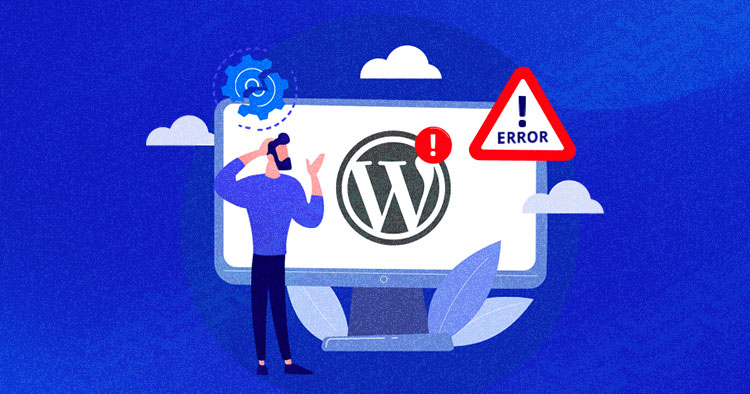
Let’s break down the most frequent reasons this issue appears.
1. Plugin Conflicts or Bugs
Plugins are the #1 cause of WordPress critical errors.
This often happens when:
- A plugin update introduces incompatible code
- Two plugins conflict with each other
- A plugin is not compatible with your PHP version
- A plugin uses deprecated WordPress functions
Page builders, performance plugins, security plugins, and e-commerce extensions are especially common triggers.
2. Theme Issues and Theme Updates
Themes can also cause fatal errors, especially when:
- A theme update removes or changes required functions
- Custom code is added incorrectly to
functions.php - A child theme is missing dependencies
If your site crashes right after changing or updating a theme, this is a strong signal.
3. PHP Version Incompatibility
Your hosting server runs a specific PHP version.
If:
- PHP is updated automatically by the host
- Your plugins or theme don’t support the new version
WordPress may fail instantly.
Many older plugins still rely on outdated PHP syntax, which modern PHP versions reject.
4. Memory Limit Exhaustion
WordPress requires memory to run scripts.
A critical error may occur if:
- Too many plugins load at once
- A heavy page builder runs complex layouts
- WooCommerce processes large queries
When PHP memory is exhausted, execution stops.
5. Corrupted Core Files or Incomplete Updates
Interrupted updates can leave WordPress in an unstable state.
This can happen due to:
- Server timeouts
- Connection drops
- Insufficient file permissions
As a result, essential core files may be missing or corrupted.
6. Incorrect Custom Code
Adding code manually—whether in a theme file, custom plugin, or snippet manager—can easily cause fatal errors if syntax is incorrect.
Even a missing semicolon can break the entire site.
How WordPress Helps You Recover from Critical Errors
Modern WordPress includes a recovery mode.
When a critical error occurs:
- WordPress sends an email to the site admin
- The email includes a secure recovery link
- This link allows you to log in and disable the problematic plugin or theme
This feature has made troubleshooting significantly easier compared to older versions.
Step-by-Step: How to Fix a WordPress Critical Error
Here’s a safe, structured approach.
Step 1: Check the Recovery Email
Always start by checking your admin email inbox.
If WordPress detected the issue, it will tell you:
- Which plugin or theme caused the error
- How to access recovery mode
This is often the fastest fix.
Step 2: Disable All Plugins (If Needed)
If you can’t access wp-admin:
- Log in to your hosting file manager or FTP
- Navigate to
/wp-content/ - Rename the
pluginsfolder (e.g.,plugins_old)
This disables all plugins at once.
If the site loads, the issue is plugin-related.
Step 3: Reactivate Plugins One by One
Rename the folder back to plugins, then:
- Activate plugins individually
- Refresh the site after each activation
When the error returns, you’ve found the culprit.
Step 4: Switch to a Default Theme
If plugins aren’t the issue:
- Rename your active theme folder
- WordPress will automatically fall back to a default theme
If the site works again, the theme is responsible.
Step 5: Check PHP Version Compatibility
Inside your hosting panel:
- Try switching to a different PHP version
- Test commonly supported versions like PHP 8.0 or 7.4
Many WordPress environments stabilize immediately after this change.
Step 6: Increase PHP Memory Limit
Low memory is a silent killer.
You can increase memory by editing wp-config.php:
define(‘WP_MEMORY_LIMIT’, ‘256M’);
This helps with complex sites and page builders.
Step 7: Enable Debug Mode for Deeper Insight
For persistent issues, enable debugging:
define(‘WP_DEBUG’, true);
define(‘WP_DEBUG_LOG’, true);
define(‘WP_DEBUG_DISPLAY’, false);
Then review the error logs to identify exact causes.
How to Prevent WordPress Critical Errors Long-Term
Fixing the issue is one thing. Preventing it is what really matters.
1. Use Quality Plugins Only
Avoid:
- Abandoned plugins
- Poorly reviewed tools
- Plugins updated years ago
Stick to actively maintained, well-supported plugins.
2. Always Test Updates
Never update directly on a live business website.
Use:
- Staging environments
- Backup snapshots
This is especially important for cross-border e-commerce sites.
3. Keep PHP, WordPress, and Plugins Aligned
Compatibility matters more than “latest version”.
A stable setup beats a bleeding-edge one.
4. Avoid Random Code Snippets
Copy-pasting code from forums without understanding it is risky.
One bad snippet can cause a full site outage.
5. Choose Professional Hosting
Cheap hosting often lacks:
- Proper PHP controls
- Error logging
- Rollback tools
Reliable infrastructure dramatically reduces fatal errors.
Why WordPress Critical Errors Are Especially Dangerous for Cross-Border Businesses
For international sellers, a broken website doesn’t just mean downtime.
It can mean:
- Lost ad traffic
- Broken payment flows
- SEO ranking drops
- Damaged brand trust
That’s why technical stability and structured design are not optional—they’re business foundations.
Final Thoughts: Don’t Just Fix Errors—Build Stable Systems
A WordPress critical error is rarely “random”.
It’s usually a sign of:
- Poor plugin architecture
- Unplanned updates
- Lack of technical oversight
With the right structure, most critical errors are completely avoidable.
About AIRSANG
At AIRSANG, we specialize in cross-border websites built for stability, scalability, and long-term growth.
From WordPress site architecture and performance optimization
to e-commerce design and international business workflows,
we help brands avoid problems like WordPress critical errors before they happen.
If your website is critical to your business—and especially if you operate globally—
AIRSANG is here to help you build it right from the start.


Design and build a WordPress website or corporate site with a full eCommerce system for you.
Price range: $200.00 through $2,500.00Custom requirements or special quotations
Original price was: $2.00.$1.00Current price is: $1.00. Are 50 Plugins Too Many for a WordPress eCommerce Store?
Understanding the Real Performance Impact Having 50 plugins on a WordPress eCommerce site isn’t automatically a problem. In fact, the number alone rarely determines performance....

Main Image Design for Amazon Lipstick Conversion
Introduction: Designing a Lipstick Main Image That Sells on Amazon When we design a Main image for an Amazon lipstick, our responsibility goes far beyond...

How Hackers Steal WordPress Admin Emails (And How to Stop Them)
Let’s start with an uncomfortable truth: Your WordPress admin email is probably way more public than you think.And hackers? They love that. To them, your...

What Makes an Amazon Liquid Foundation Main Image Convert
Introduction Designing a Main image design for Amazon Liquid foundation is never just about making a product look beautiful. On Amazon, the main image and...
Designing an Effective Amazon Main Image for Filter Cartridges
Introduction Designing a Main image for Amazon is never just about making a product look attractive. It is about clarity, trust, and instant understanding—especially for...
Replay Attacks on WordPress: Real Threat or Overhyped Myth?
Let’s clear something up first. Replay attacks don’t look scary.They don’t smash passwords.They don’t inject evil code with green hacker text flying everywhere. They’re sneaky....
How to Duplicate WordPress Pages Without Breaking Anything
Let’s face it. Sometimes you don’t want to create a new page.You just want the same page… but slightly different. Same layout.Same blocks.Same settings. Because...

Five Pet WordPress Themes Compared
Introduction Choosing the right pet-related WordPress theme is more than a design decision—it directly affects usability, scalability, and long-term business growth. Pet care and pet...

Comparing Five Swimwear eCommerce Themes
Introduction Choosing the right theme for a swimwear or lingerie independent store is not just a visual decision—it directly affects conversion rates, scalability, and long-term...
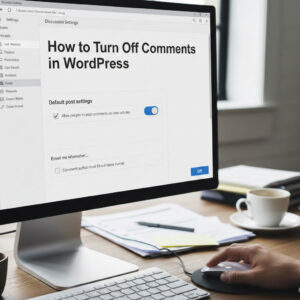
How to Turn Off Comments in WordPress (Without Losing Your Mind)
Let’s talk about WordPress comments. In theory, comments are great.They encourage discussion.They build community.They make your website feel “alive.” In reality? They’re often a magnet...
WordPress 500 Error: When Your Website Decides to Panic
Your WordPress site was fine a minute ago.You refreshed the page.And suddenly—boom 💥—500 Internal Server Error. No explanation.No apology.Just a cold, confusing message that basically...
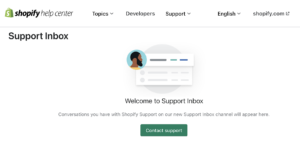
How to Contact Shopify Support: Simple, Stress-Free Guide
Running a Shopify store should feel exciting—not confusing. When questions pop up or issues slow you down, Shopify offers several support paths depending on what...
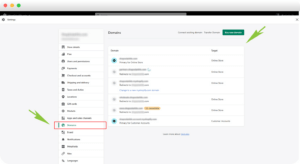
How to Deactivate a Shopify Store: A Clear, Practical Guide
Deactivating a Shopify store isn’t complicated, but it does come with consequences many merchants overlook. This guide breaks the process down in a simple, educational...
Five Shoe Store Themes Compared
Introduction Choosing the right theme for a footwear-focused independent store is not just a visual decision—it directly affects scalability, daily operations, and long-term conversion performance....

Shopify vs Etsy: The Ultimate Online Selling Showdown
Introduction: Two Platforms Walk Into a Bar… If Shopify and Etsy were people, Etsy would be that charming friend who already has a booth at...

Is Your Shopify or WordPress Site Hacked? Here’s What to Do
Introduction: The Digital Equivalent of Waking Up to a Broken Window Imagine waking up, grabbing your morning coffee, opening your laptop… and discovering your website...

How to Start a Shopify Store Without Losing Your Mind
Starting a Shopify store sounds glamorous. You picture yourself sipping coffee at noon, checking sales notifications, and casually telling friends,“Yeah, my store did pretty well...

Is Shopify Legit? A Clear Guide for New Online Sellers
If you’re researching eCommerce platforms, chances are you’ve typed one very specific question into Google: is Shopify legit? That question is completely reasonable. Launching an...