












If you’re researching how to start an online business, chances are you’ve already come across one big question: is Shopify legit?
It’s a fair concern. You’re being asked to trust a platform with your products, your payments, your customers’ data, and ultimately your income. With so many online scams, fake “get rich quick” stores, and misleading ads floating around, skepticism is not only normal—it’s smart.
This guide is written as a clear, educational explanation, not a sales pitch. By the end, you’ll understand exactly what Shopify is, how it works, where it excels, where it falls short, and why so many legitimate businesses rely on it every day.
What Shopify Actually Is (and What It Isn’t)
To answer “is Shopify legit,” we first need to clarify what Shopify does.
Shopify is a software-as-a-service (SaaS) ecommerce platform. That means it provides the tools and infrastructure needed to build and run an online store—without requiring you to code everything from scratch.
Shopify itself does not sell products, promise profits, or operate stores for you. Instead, it offers:
- A hosted website builder
- Product and inventory management
- Secure checkout and payment processing
- Order, tax, and shipping tools
- App integrations for marketing, upsells, analytics, and more
In simple terms: Shopify is the engine, not the driver.
Many misunderstandings around legitimacy come from people expecting Shopify to guarantee success. No ecommerce platform—Shopify included—can do that.
Is Shopify a Real Company?

Yes. Shopify is a publicly traded company listed on major stock exchanges and used by millions of merchants worldwide—from solo entrepreneurs to global brands.
Its users include:
- Small businesses and creators
- DTC (direct-to-consumer) brands
- Cross-border sellers
- Enterprise-level companies
This level of adoption alone is a strong indicator that Shopify is legitimate, stable, and widely trusted.
Why Do People Question “Is Shopify Legit?”
If Shopify is legitimate, why does this question come up so often?
1. Confusion Between Shopify and Shopify Stores
A major source of confusion is that anyone can create a Shopify store—including scammers.
When people get scammed by a fake online store, they often blame Shopify itself. In reality:
- Shopify is the platform
- The store owner is responsible for behavior, products, and fulfillment
This is similar to blaming WordPress because a scam website used WordPress.
2. Misleading “Make Money Fast” Marketing
Another reason people doubt Shopify’s legitimacy is aggressive marketing from third parties:
- “Make $10,000 a month with Shopify”
- “Start a Shopify store in 24 hours”
- “No experience needed—just copy this store”
These claims do not come from Shopify. They come from influencers, course sellers, or agencies overselling the ease of ecommerce.
When expectations don’t match reality, disappointment turns into suspicion.
3. Beginners Underestimate the Work Involved
Running a real ecommerce business requires:
- Product research
- Branding and positioning
- Website design and UX
- Traffic generation (ads, SEO, social media)
- Customer service and logistics
Shopify simplifies the technical side, but it doesn’t remove the business side. When stores fail, users sometimes blame the platform rather than the strategy.
How Shopify Makes Money (Transparency Matters)
One reason Shopify is considered legitimate is its clear business model.
Shopify earns money through:
- Monthly subscription plans
- Transaction fees (depending on payment method)
- Paid apps and themes
- Additional services like Shopify Payments or Shopify Plus
There are no hidden ownership claims, no revenue-sharing traps, and no requirement to buy inventory from Shopify itself.
You can cancel anytime. You own your brand and your customer data.
Is Shopify Safe to Use?
Security is one of the strongest arguments in Shopify’s favor.
Data and Payment Security
Shopify provides:
- SSL encryption on all stores
- PCI-compliant payment processing
- Secure checkout infrastructure
For most small and medium businesses, Shopify’s security is far stronger than a self-hosted setup built without professional expertise.
Buyer Protection and Fraud Tools
Shopify includes built-in tools to help merchants:
- Detect fraudulent orders
- Manage chargebacks
- Protect customer payment information
Again, Shopify provides the tools—but merchants must use them correctly.
Can You Trust Shopify With Payments?
Yes—with context.
Shopify supports major payment gateways and offers its own payment solution in many regions. Funds are deposited directly into the merchant’s bank account, not held indefinitely by Shopify.
However, like any payment processor, Shopify may:
- Temporarily hold payouts during disputes
- Review stores selling restricted products
- Enforce compliance with local laws
This is normal industry behavior, not evidence of illegitimacy.
Is Shopify Legal to Use for Business?
Absolutely—as long as the business itself is legal.
Shopify allows a wide range of products, but restricts or prohibits certain categories (such as illegal items or regulated goods in specific regions).
Problems arise when sellers:
- Ignore product compliance rules
- Misrepresent what they sell
- Operate in restricted niches without proper setup
When Shopify takes action, it’s often framed online as “Shopify shut down my store,” when the real issue is policy violation—not legitimacy.
Who Is Shopify Best For?
Understanding who Shopify is designed for helps answer “is Shopify legit” more realistically.
Shopify works best for:
- Brands building long-term ecommerce businesses
- Cross-border sellers targeting US, EU, or global markets
- Businesses that value speed, stability, and scalability
- Teams that want to focus on marketing and branding—not server maintenance
It may not be ideal for:
- Sellers expecting instant profit with no effort
- Extremely niche or restricted product categories
- Businesses needing heavy backend customization without planning
Shopify vs. “Scam Platforms”: The Key Difference
Legitimate platforms share a few traits:
- Clear pricing
- Transparent policies
- Public reputation
- Large, diverse user base
- Independent success stories
Shopify checks all of these boxes.
Scam platforms usually:
- Promise guaranteed income
- Hide fees or lock users in
- Control your payouts
- Lack real, verifiable businesses
This distinction is crucial.
Why So Many Real Brands Choose Shopify
Beyond legitimacy, Shopify is popular because it reduces friction.
It allows businesses to:
- Launch faster
- Scale internationally
- Integrate marketing tools easily
- Adapt designs without rebuilding infrastructure
For cross-border ecommerce especially, Shopify has become a standard foundation.
The Real Question Isn’t “Is Shopify Legit?”
The more useful question is:
“Is Shopify the right platform for my business goals?”
Shopify is legitimate—but success depends on:
- Store positioning
- Visual design and trust signals
- Conversion-focused UX
- Clear messaging for international buyers
This is where many stores fail—not because Shopify doesn’t work, but because the store isn’t built strategically.
Final Verdict: Is Shopify Legit?
Yes—Shopify is absolutely legit.
It is a trusted, secure, and widely used ecommerce platform that powers millions of real businesses around the world. What it is not is a shortcut to effortless income.
When used correctly—with proper branding, design, and strategy—Shopify is one of the most reliable foundations for building a serious online business.
How AIRSANG Fits In
At AIRSANG, this is exactly where we come in.
We work in cross-border ecommerce, helping brands use Shopify the right way—from website design and UX, to conversion-focused layouts, to trust-building structures that actually work for international markets.
If you already believe Shopify is legit but want your store to look professional, convert better, and compete globally, that’s what we specialize in.
👉 If you’re planning to build or optimize a Shopify store for cross-border growth, AIRSANG can help you do it with clarity, structure, and long-term vision.


Design and build a WordPress website or corporate site with a full eCommerce system for you.
Price range: $200.00 through $2,500.00Custom requirements or special quotations
Original price was: $2.00.$1.00Current price is: $1.00. Are 50 Plugins Too Many for a WordPress eCommerce Store?
Understanding the Real Performance Impact Having 50 plugins on a WordPress eCommerce site isn’t automatically a problem. In fact, the number alone rarely determines performance....

Main Image Design for Amazon Lipstick Conversion
Introduction: Designing a Lipstick Main Image That Sells on Amazon When we design a Main image for an Amazon lipstick, our responsibility goes far beyond...

How Hackers Steal WordPress Admin Emails (And How to Stop Them)
Let’s start with an uncomfortable truth: Your WordPress admin email is probably way more public than you think.And hackers? They love that. To them, your...

What Makes an Amazon Liquid Foundation Main Image Convert
Introduction Designing a Main image design for Amazon Liquid foundation is never just about making a product look beautiful. On Amazon, the main image and...

Designing an Effective Amazon Main Image for Filter Cartridges
Introduction Designing a Main image for Amazon is never just about making a product look attractive. It is about clarity, trust, and instant understanding—especially for...

Replay Attacks on WordPress: Real Threat or Overhyped Myth?
Let’s clear something up first. Replay attacks don’t look scary.They don’t smash passwords.They don’t inject evil code with green hacker text flying everywhere. They’re sneaky....

How to Duplicate WordPress Pages Without Breaking Anything
Let’s face it. Sometimes you don’t want to create a new page.You just want the same page… but slightly different. Same layout.Same blocks.Same settings. Because...

Five Pet WordPress Themes Compared
Introduction Choosing the right pet-related WordPress theme is more than a design decision—it directly affects usability, scalability, and long-term business growth. Pet care and pet...

Comparing Five Swimwear eCommerce Themes
Introduction Choosing the right theme for a swimwear or lingerie independent store is not just a visual decision—it directly affects conversion rates, scalability, and long-term...
How to Turn Off Comments in WordPress (Without Losing Your Mind)
Let’s talk about WordPress comments. In theory, comments are great.They encourage discussion.They build community.They make your website feel “alive.” In reality? They’re often a magnet...

WordPress 500 Error: When Your Website Decides to Panic
Your WordPress site was fine a minute ago.You refreshed the page.And suddenly—boom 💥—500 Internal Server Error. No explanation.No apology.Just a cold, confusing message that basically...
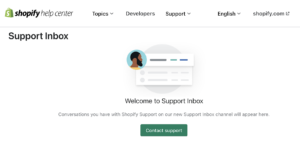
How to Contact Shopify Support: Simple, Stress-Free Guide
Running a Shopify store should feel exciting—not confusing. When questions pop up or issues slow you down, Shopify offers several support paths depending on what...
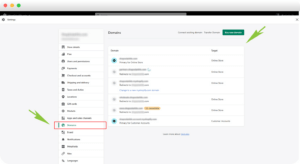
How to Deactivate a Shopify Store: A Clear, Practical Guide
Deactivating a Shopify store isn’t complicated, but it does come with consequences many merchants overlook. This guide breaks the process down in a simple, educational...
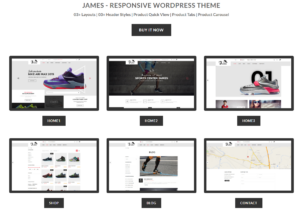
Five Shoe Store Themes Compared
Introduction Choosing the right theme for a footwear-focused independent store is not just a visual decision—it directly affects scalability, daily operations, and long-term conversion performance....
Shopify vs Etsy: The Ultimate Online Selling Showdown
Introduction: Two Platforms Walk Into a Bar… If Shopify and Etsy were people, Etsy would be that charming friend who already has a booth at...

Is Your Shopify or WordPress Site Hacked? Here’s What to Do
Introduction: The Digital Equivalent of Waking Up to a Broken Window Imagine waking up, grabbing your morning coffee, opening your laptop… and discovering your website...
How to Start a Shopify Store Without Losing Your Mind
Starting a Shopify store sounds glamorous. You picture yourself sipping coffee at noon, checking sales notifications, and casually telling friends,“Yeah, my store did pretty well...
Is Shopify Legit? A Clear Guide for New Online Sellers
If you’re researching eCommerce platforms, chances are you’ve typed one very specific question into Google: is Shopify legit? That question is completely reasonable. Launching an...