












Introduction
If you’re looking to build a website without diving deep into coding, learning how to use WordPress is one of the smartest decisions you can make.
WordPress powers over 40% of websites worldwide, from personal blogs to large-scale eCommerce platforms. Its flexibility, scalability, and user-friendly interface make it a top choice for beginners and professionals alike.
In this guide, we’ll walk you through everything you need to know—from understanding the dashboard to creating pages, customizing design, and managing content. Whether you’re starting a business site or building an online store, this guide will help you confidently navigate WordPress.
What Is WordPress and Why Use It?
Before learning how to use WordPress, it’s important to understand what makes it so popular.
WordPress is an open-source content management system (CMS) that allows you to create and manage websites without writing code. It offers thousands of themes and plugins, giving you full control over your site’s appearance and functionality.
Key Benefits of WordPress
- Easy to use for beginners
- Highly customizable design options
- Strong SEO capabilities
- Scalable for small and large businesses
- Massive community support
For businesses—especially in cross-border eCommerce—WordPress provides the flexibility to build a brand-driven, conversion-focused website.
Understanding the WordPress Dashboard
Once WordPress is installed, the first thing you’ll interact with is the dashboard.
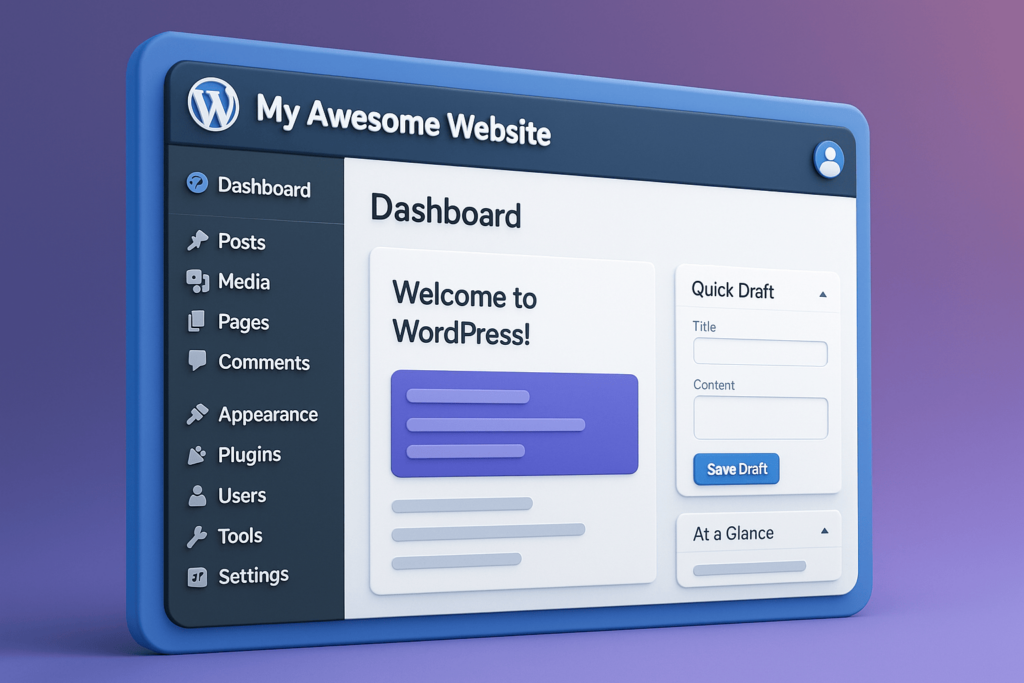
The dashboard is your control center. From here, you can manage content, customize your design, and control your website settings.
Main Sections You Should Know
- Posts – Used for blog articles
- Pages – Static pages like Home, About, Contact
- Media – Image and video library
- Appearance – Themes and design settings
- Plugins – Add new features and tools
- Settings – General website configurations
Getting familiar with these sections is the first step in mastering how to use WordPress.
How to Create and Manage Content
Content is the core of any website. WordPress makes it simple to create and manage both pages and blog posts.
Creating a New Page
To create a page:
- Go to Pages → Add New
- Enter your page title
- Add content using the block editor
- Click Publish
Pages are typically used for key sections like your homepage, services, or product categories.
Creating Blog Posts
Blog posts work similarly but are more dynamic. They can be categorized and tagged, making them ideal for SEO and content marketing.
For example, if you’re targeting keywords like how to use wordpress, blog posts are the best way to rank on Google.
Using the Block Editor (Gutenberg)
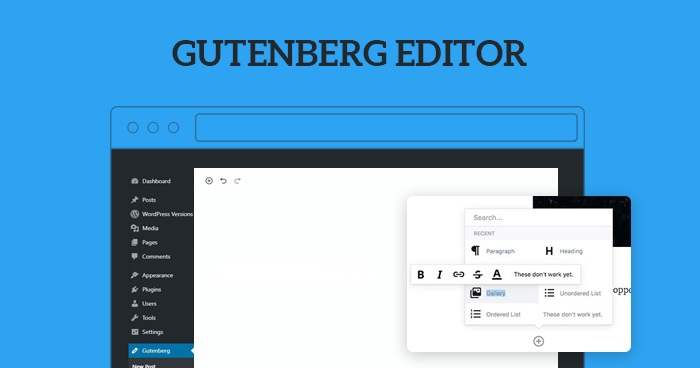
The WordPress block editor allows you to build pages visually.
Instead of writing code, you can add different blocks such as:
- Text blocks
- Image blocks
- Buttons
- Columns
- Videos
Each block can be customized independently, giving you full control over layout and design.
For beginners learning how to use WordPress, this visual editing experience is a major advantage.
Choosing and Customizing Themes
Your website’s design depends on the theme you choose.
A theme controls:
- Layout structure
- Typography
- Colors
- Overall visual style
How to Choose the Right Theme
Look for a theme that is:
- Clean and modern
- Mobile responsive
- Fast-loading
- Compatible with page builders like Elementor
Customizing Your Theme
Go to Appearance → Customize to adjust:
- Logo and branding
- Colors and fonts
- Header and footer
- Homepage layout
At AIRSANG, we always emphasize that design is not just about looks—it directly impacts user trust and conversion rates.
Extending Functionality with Plugins
Plugins are one of the most powerful aspects of WordPress.
They allow you to add features like:
- SEO optimization
- Contact forms
- Security enhancements
- eCommerce functionality
Popular Plugin Examples
- SEO plugins for better Google rankings
- Page builders for advanced layouts
- Performance plugins for faster loading
However, avoid installing too many plugins, as it can slow down your website.
How to Build Navigation and Structure
A well-structured website improves user experience and conversions.
Creating Menus
Go to Appearance → Menus to:
- Add pages to your navigation
- Organize menu hierarchy
- Set primary navigation locations
Best Practices
- Keep navigation simple
- Use clear labels
- Avoid too many menu items
For cross-border websites, clarity is critical. Users should instantly understand where to go.
Managing Media and Visual Content
Images and videos play a key role in engagement.
Uploading Media
Go to Media → Add New to upload files.
Optimization Tips
- Use compressed images
- Maintain consistent style
- Avoid cluttered visuals
High-quality visuals can significantly improve user trust—especially for eCommerce websites.
Basic SEO Setup in WordPress

If you’re learning how to use WordPress, SEO is something you can’t ignore.
Key SEO Elements
- Page titles
- Meta descriptions
- URL structure
- Image alt text
Content Strategy
Create content around keywords like:
- how to use wordpress
- wordpress tutorial
- wordpress for beginners
Consistent content publishing helps your site rank and attract organic traffic.
Common Challenges and Solutions
Challenge 1: Slow Website Speed
Solution: Optimize images, use fewer plugins, and choose a good hosting provider.
Challenge 2: Design Looks Unprofessional
Solution: Use a clean theme and maintain consistent spacing and typography.
Challenge 3: Low Conversion Rate
Solution: Improve layout clarity, add trust signals, and simplify navigation.
At AIRSANG, we often see that design—not technology—is the biggest factor affecting website performance.
How WordPress Supports Business Growth
WordPress is not just a website builder—it’s a growth platform.
With the right setup, you can:
- Build brand authority
- Generate leads
- Sell products globally
- Scale your online presence
Especially for cross-border businesses, WordPress offers the flexibility to adapt to different markets and customer behaviors.
Conclusion
Learning how to use WordPress opens the door to building powerful, flexible, and scalable websites.
From managing content to customizing design and optimizing for SEO, WordPress gives you complete control over your online presence.
However, building a truly effective website goes beyond just using the platform—it requires strategic design, user experience optimization, and a deep understanding of conversion.
That’s exactly where AIRSANG comes in.
We specialize in cross-border website design and WordPress site construction, helping businesses create high-converting websites that not only look professional but also drive real results.
If you’re planning to build or upgrade your WordPress website, feel free to reach out—our team is here to help you turn ideas into a powerful online presence.

Design and build a WordPress website or corporate site with a full eCommerce system for you.
Price range: $200.00 through $2,500.00Custom requirements or special quotations
Original price was: $2.00.$1.00Current price is: $1.00. Are 50 Plugins Too Many for a WordPress eCommerce Store?
Understanding the Real Performance Impact Having 50 plugins on a WordPress eCommerce site isn’t automatically a problem. In fact, the number alone rarely determines performance....

Main Image Design for Amazon Home Physiotherapy Device Explained
Introduction: Building a Trustworthy Image for Home Therapy Devices on Amazon When designing the main image for a home therapy device on Amazon, our primary...

Main Image Design for Amazon Lipstick Conversion
Introduction: Designing a Lipstick Main Image That Sells on Amazon When we design a Main image for an Amazon lipstick, our responsibility goes far beyond...

How Hackers Steal WordPress Admin Emails (And How to Stop Them)
Let’s start with an uncomfortable truth: Your WordPress admin email is probably way more public than you think.And hackers? They love that. To them, your...

What Makes an Amazon Liquid Foundation Main Image Convert
Introduction Designing a Main image design for Amazon Liquid foundation is never just about making a product look beautiful. On Amazon, the main image and...

Designing an Effective Amazon Main Image for Filter Cartridges
Introduction Designing a Main image for Amazon is never just about making a product look attractive. It is about clarity, trust, and instant understanding—especially for...

Replay Attacks on WordPress: Real Threat or Overhyped Myth?
Let’s clear something up first. Replay attacks don’t look scary.They don’t smash passwords.They don’t inject evil code with green hacker text flying everywhere. They’re sneaky....
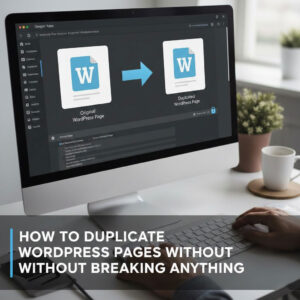
How to Duplicate WordPress Pages Without Breaking Anything
Let’s face it. Sometimes you don’t want to create a new page.You just want the same page… but slightly different. Same layout.Same blocks.Same settings. Because...

Five Pet WordPress Themes Compared
Introduction Choosing the right pet-related WordPress theme is more than a design decision—it directly affects usability, scalability, and long-term business growth. Pet care and pet...
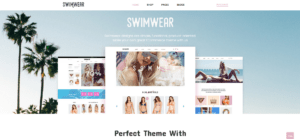
Comparing Five Swimwear eCommerce Themes
Introduction Choosing the right theme for a swimwear or lingerie independent store is not just a visual decision—it directly affects conversion rates, scalability, and long-term...
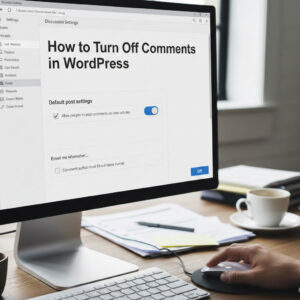
How to Turn Off Comments in WordPress (Without Losing Your Mind)
Let’s talk about WordPress comments. In theory, comments are great.They encourage discussion.They build community.They make your website feel “alive.” In reality? They’re often a magnet...

WordPress 500 Error: When Your Website Decides to Panic
Your WordPress site was fine a minute ago.You refreshed the page.And suddenly—boom 💥—500 Internal Server Error. No explanation.No apology.Just a cold, confusing message that basically...

Building a Scalable WordPress Website for a Science-Driven Brand: The AminoUSA Project
Introduction In today’s digital landscape, a website is more than a place to list products. For science-driven brands operating in regulated or research-focused industries, a...

Building a Scalable Shopify Store for a Global Blade Brand: The CoolKatana Project
Introduction In cross-border eCommerce, a Shopify website is more than a storefront.For brands operating in niche, culture-driven categories, the website must do far more than...
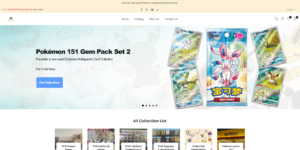
Designing a High-Conversion Shopify Store for Pokémon Cards
Introduction In the world of collectible eCommerce, especially within the Pokémon Trading Card Game (TCG) market, a website must do more than simply list products....
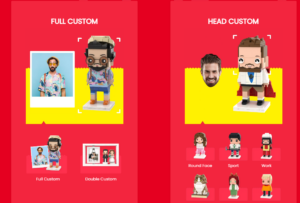
High-Converting Shopify Design for a Custom Brick Brand
Introduction In today’s competitive eCommerce landscape, especially in the personalized gift and collectible space, a Shopify website must do far more than display products. It...
How to Contact Shopify Support: Simple, Stress-Free Guide
Running a Shopify store should feel exciting—not confusing. When questions pop up or issues slow you down, Shopify offers several support paths depending on what...
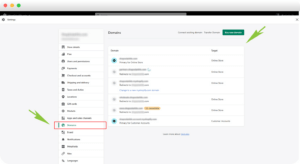
How to Deactivate a Shopify Store: A Clear, Practical Guide
Deactivating a Shopify store isn’t complicated, but it does come with consequences many merchants overlook. This guide breaks the process down in a simple, educational...