












Starting a Shopify store sounds glamorous.
You picture yourself sipping coffee at noon, checking sales notifications, and casually telling friends,
“Yeah, my store did pretty well overnight.”
Reality check.
Most first-time Shopify founders experience something closer to this:
- 37 open browser tabs
- A logo you hate but can’t explain why
- A theme you installed, uninstalled, then reinstalled
- Zero sales
- And one strong urge to Google: “Is Shopify a scam?”
Relax. It’s not.
You’re just missing the map.
This guide will walk you through how to start a Shopify store the smart way, without burning cash, energy, or confidence. No fluff. No guru nonsense. Just real-world logic—served with a little American-style sarcasm to keep things fun.
Step 1: Decide What You’re Actually Selling (Hint: “Anything” Is Not a Strategy)
Before Shopify.
Before themes.
Before logos.
You need an answer to one question:
Who is this store for—and why should they care?
If your answer is:
“Everyone”
Congratulations, you’re selling to no one.
Successful Shopify stores don’t win because they sell more products.
They win because they sell one clear idea to one clear audience.
Ask yourself:
- What problem does this product solve?
- Who feels that problem emotionally?
- Why would they trust you instead of Amazon?
If you can’t answer those in one sentence, stop here.
Opening Shopify now would be like renting a storefront before knowing what business you’re in.
Step 2: Validate the Idea Before You Fall in Love With It
Your product idea feels amazing.
That doesn’t mean it’s profitable.
Before spending money, validate with reality:
- Search Google and TikTok
- Check Amazon reviews (especially the 2–3 star ones)
- Look at competitors’ ads and websites
You’re not looking for perfection.
You’re looking for proof of demand + room for improvement.
If the market is empty, that’s risky.
If it’s crowded but messy, that’s opportunity.
Pro tip:
The best Shopify ideas live in the space between
“people already buying” and “people still complaining.”
Step 3: Choose Shopify (Yes, It’s the Right Call)
Let’s get this out of the way.
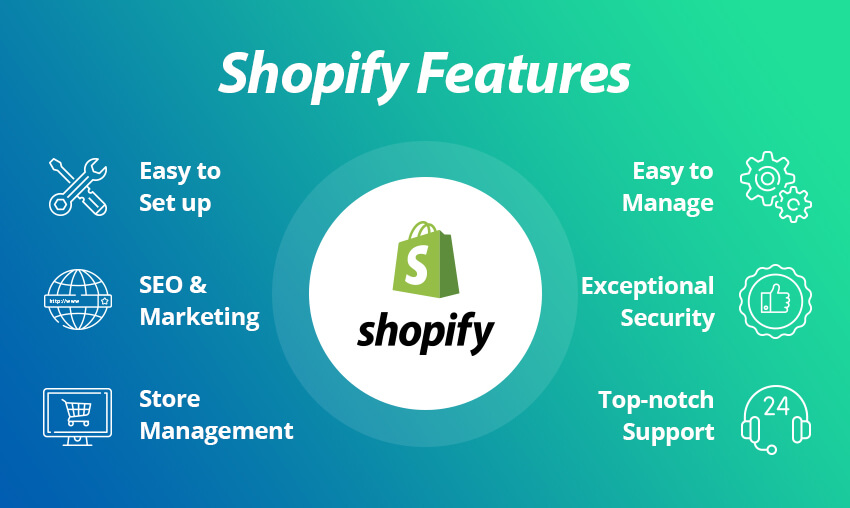
Shopify is popular for a reason.
It’s:
- Stable
- Beginner-friendly
- Scalable
- Accepted by every major payment gateway
- Trusted by customers worldwide
Could you build a store elsewhere? Sure.
Would you regret it later? Probably.
Shopify handles the boring stuff—hosting, security, payments—so you can focus on selling, not troubleshooting at 3 a.m.
Step 4: Pick a Theme Without Overthinking It
Themes are dangerous.
They trick beginners into thinking:
“If it looks premium, it will sell.”
False.
A good Shopify theme should:
- Load fast
- Look clean on mobile
- Make products easy to understand
- Stay out of the way
You do not need:
- 47 animations
- Fancy transitions nobody notices
- A homepage that looks like a NASA dashboard
Simple converts. Clear wins.
Remember:
Customers don’t buy themes.
They buy confidence.
Step 5: Design for Trust, Not for Your Ego
Here’s a hard truth:
Your visitors don’t care how “creative” your site is.
They care about:
- “Is this legit?”
- “Can I trust this brand?”
- “Will this solve my problem?”
Every design decision should answer those questions.
That means:
- Clear product photos
- Easy-to-read layouts
- Obvious benefits
- Simple navigation
- Zero confusion
If a user has to think, they leave.
Design isn’t decoration.
Design is persuasion.
Step 6: Write Product Pages Like a Human, Not a Robot
Most Shopify product descriptions sound like this:
“High-quality premium innovative solution designed for modern lifestyles.”
Which tells customers absolutely nothing.
Instead:
- Talk like a human
- Focus on outcomes, not features
- Address doubts before they arise
- Show, don’t brag
Great product pages feel like a helpful salesperson—not a brochure.
Step 7: Set Up Payments, Shipping, and Policies Early
Nothing kills trust faster than:
- Missing payment methods
- Confusing shipping rules
- No refund policy
Before launch:
- Enable major payment options
- Be transparent about shipping times
- Write clear, human-friendly policies
You don’t need legal poetry.
You need clarity.
Step 8: Don’t Launch Until the Store Feels “Complete”
A half-finished store is worse than no store.
Before going live, check:
- Mobile experience
- Page speed
- Broken links
- Typos (yes, people notice)
- Consistent branding
Your store doesn’t need to be perfect.
It needs to feel intentional.
Step 9: Traffic Won’t Magically Appear (Sorry)
Launching a Shopify store does not summon customers by default.
You’ll need:
- Content
- Ads
- Social media
- SEO
- Or partnerships
Pick one channel.
Do it well.
Trying to do everything at once is the fastest way to do nothing effectively.
Step 10: Expect Mistakes—and Keep Going Anyway
Every successful Shopify store you admire:
- Started ugly
- Made bad decisions
- Changed direction multiple times
The difference?
They didn’t quit.
Shopify success is not about brilliance.
It’s about iteration.
Final Thoughts: Your Store Is a Business, Not a Template
A Shopify store isn’t a theme.
It isn’t a plugin.
It isn’t a logo.
It’s a system designed to build trust and convert attention into sales.
That’s where most beginners struggle—not with tools, but with strategy and execution.
Where AIRSANG Comes In
At AIRSANG, this is exactly what we do.
We help brands:
- Build cross-border Shopify stores
- Design conversion-focused layouts
- Create clean, trustworthy visual systems
- Avoid common beginner mistakes
- Launch with confidence instead of confusion
We don’t just make sites “look good.”
We design stores that sell, scale, and feel credible in global markets.
If you’re planning to start—or redesign—a Shopify store and want it done right the first time,
follow AIRSANG and stay connected.


Design and build a WordPress website or corporate site with a full eCommerce system for you.
Price range: $200.00 through $2,500.00Custom requirements or special quotations
Original price was: $2.00.$1.00Current price is: $1.00. Are 50 Plugins Too Many for a WordPress eCommerce Store?
Understanding the Real Performance Impact Having 50 plugins on a WordPress eCommerce site isn’t automatically a problem. In fact, the number alone rarely determines performance....

Main Image Design for Amazon Lipstick Conversion
Introduction: Designing a Lipstick Main Image That Sells on Amazon When we design a Main image for an Amazon lipstick, our responsibility goes far beyond...

How Hackers Steal WordPress Admin Emails (And How to Stop Them)
Let’s start with an uncomfortable truth: Your WordPress admin email is probably way more public than you think.And hackers? They love that. To them, your...

What Makes an Amazon Liquid Foundation Main Image Convert
Introduction Designing a Main image design for Amazon Liquid foundation is never just about making a product look beautiful. On Amazon, the main image and...

Designing an Effective Amazon Main Image for Filter Cartridges
Introduction Designing a Main image for Amazon is never just about making a product look attractive. It is about clarity, trust, and instant understanding—especially for...

Replay Attacks on WordPress: Real Threat or Overhyped Myth?
Let’s clear something up first. Replay attacks don’t look scary.They don’t smash passwords.They don’t inject evil code with green hacker text flying everywhere. They’re sneaky....
How to Duplicate WordPress Pages Without Breaking Anything
Let’s face it. Sometimes you don’t want to create a new page.You just want the same page… but slightly different. Same layout.Same blocks.Same settings. Because...

Five Pet WordPress Themes Compared
Introduction Choosing the right pet-related WordPress theme is more than a design decision—it directly affects usability, scalability, and long-term business growth. Pet care and pet...
Comparing Five Swimwear eCommerce Themes
Introduction Choosing the right theme for a swimwear or lingerie independent store is not just a visual decision—it directly affects conversion rates, scalability, and long-term...
How to Turn Off Comments in WordPress (Without Losing Your Mind)
Let’s talk about WordPress comments. In theory, comments are great.They encourage discussion.They build community.They make your website feel “alive.” In reality? They’re often a magnet...

WordPress 500 Error: When Your Website Decides to Panic
Your WordPress site was fine a minute ago.You refreshed the page.And suddenly—boom 💥—500 Internal Server Error. No explanation.No apology.Just a cold, confusing message that basically...
How to Contact Shopify Support: Simple, Stress-Free Guide
Running a Shopify store should feel exciting—not confusing. When questions pop up or issues slow you down, Shopify offers several support paths depending on what...
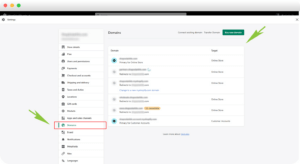
How to Deactivate a Shopify Store: A Clear, Practical Guide
Deactivating a Shopify store isn’t complicated, but it does come with consequences many merchants overlook. This guide breaks the process down in a simple, educational...
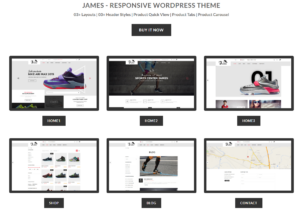
Five Shoe Store Themes Compared
Introduction Choosing the right theme for a footwear-focused independent store is not just a visual decision—it directly affects scalability, daily operations, and long-term conversion performance....
Shopify vs Etsy: The Ultimate Online Selling Showdown
Introduction: Two Platforms Walk Into a Bar… If Shopify and Etsy were people, Etsy would be that charming friend who already has a booth at...

Is Your Shopify or WordPress Site Hacked? Here’s What to Do
Introduction: The Digital Equivalent of Waking Up to a Broken Window Imagine waking up, grabbing your morning coffee, opening your laptop… and discovering your website...
Is Shopify Legit? A Clear Guide for New Online Sellers
If you’re researching eCommerce platforms, chances are you’ve typed one very specific question into Google: is Shopify legit? That question is completely reasonable. Launching an...
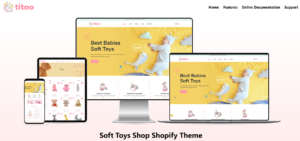
Kids Clothing Store Themes Compared: WordPress & Shopify
Introduction Choosing the right theme is one of the most important decisions when building a kids or baby clothing independent store. Design tone, platform compatibility,...