












Creating an online store used to feel overwhelming.
Domains, hosting, payments, design, shipping, marketing—everything sounded technical, expensive, and confusing.
That’s exactly why platforms like Shopify exist.
In this guide, we’ll break down how to create a Shopify store step by step, in plain English.
No jargon. No fluff. Just clear explanations that help you understand what to do, why it matters, and how to avoid common beginner mistakes.
Whether you’re launching your first online business or planning a cross-border brand, this article will give you a solid foundation.
What Is Shopify, and Why Do So Many People Use It?
Before learning how to create a Shopify store, it helps to understand what Shopify actually is.
Shopify is an all-in-one eCommerce platform that lets you:
- Build an online store without coding
- Manage products, inventory, and orders
- Accept payments securely
- Customize your store’s design
- Sell across countries and currencies
Instead of building everything from scratch, Shopify gives you a ready-to-use system that works right out of the box.
That’s why millions of sellers—from solo creators to global brands—use it as their main sales platform.
Step 1: Define Your Store’s Purpose Before You Build Anything
Many beginners rush straight into store setup.
That’s a mistake.
Before you touch Shopify, you should be able to answer three simple questions:
- What am I selling?
- Who is this for?
- Why would someone buy this instead of alternatives?
This doesn’t need to be perfect, but clarity here saves time later.
Your answers will influence:
- Store structure
- Product categories
- Homepage messaging
- Visual design style
A Shopify store is not just a technical setup—it’s a business presentation.
Step 2: Create Your Shopify Account
Once your idea is clear, you can start creating your Shopify store.
The process is straightforward:
- Sign up with your email
- Choose a store name (this can be changed later)
- Select your country and basic preferences
At this stage, Shopify creates a temporary store for you.
Think of it as a blank canvas—not finished, not broken, just waiting to be shaped.
Step 3: Understand Shopify’s Dashboard (Without Overthinking It)
When you log into Shopify, you’ll see a dashboard with many menu items:
- Products
- Orders
- Customers
- Online Store
- Settings
It looks intimidating, but you don’t need to master everything at once.
For beginners learning how to create a Shopify store, only four areas matter early on:
- Products
- Online Store (themes & pages)
- Settings
- Payments
Everything else can come later.
Step 4: Add Products the Right Way
Your products are the heart of your store.
When adding a product, focus on clarity, not perfection.
Each product needs:
- A clear title
- A simple, benefit-focused description
- High-quality images
- Price and inventory
Avoid copying supplier descriptions word for word.
Customers don’t buy features—they buy outcomes.
Instead of:
“Made of premium materials”
Try:
“Durable enough for daily use, lightweight enough to carry anywhere.”
Good product presentation builds trust, especially for new stores.
Step 5: Choose a Theme That Matches Your Brand Goals
Shopify themes control how your store looks and feels.
There are:
- Free themes (great for beginners)
- Paid themes (more flexibility and polish)
When choosing a theme, don’t ask:
“Which theme looks the coolest?”
Ask instead:
- Is it easy to navigate?
- Does it look good on mobile?
- Can customers find products quickly?
A clean, simple design almost always converts better than an overly fancy one.
Step 6: Customize Your Store Design With Purpose
This is where many store owners get stuck.
They tweak fonts, colors, and layouts endlessly—without thinking about user behavior.
A good Shopify store design should:
- Guide visitors naturally from homepage to product to checkout
- Highlight key benefits early
- Reduce distractions
Design isn’t decoration.
It’s communication.
Even small decisions—like button placement or image order—can impact conversion rates.
Step 7: Create Essential Pages Every Shopify Store Needs
Beyond product pages, your store should include:
- About Us
- Contact Page
- Shipping & Returns
- Privacy Policy & Terms
These pages aren’t optional.
They help:
- Build trust
- Reduce customer hesitation
- Meet platform and payment requirements
For cross-border stores, clear shipping and return information is especially important.
Step 8: Set Up Payments and Checkout
One of Shopify’s biggest advantages is its payment flexibility.
You can accept:
- Credit cards
- Digital wallets
- Local payment methods (depending on region)
The key is simplicity.
The fewer steps between “Add to Cart” and “Order Confirmed,” the better.
Checkout friction is one of the biggest reasons new stores fail to convert.
Step 9: Configure Shipping Without Overcomplicating It
Shipping feels scary to beginners—but it doesn’t have to be.
Start simple:
- Flat rate shipping
- Free shipping over a certain amount
You can optimize later.
Customers care less about perfect shipping logic and more about clarity and reliability.
Step 10: Prepare for Cross-Border Selling Early
If you plan to sell internationally, think globally from day one.
That means:
- Clear currency display
- International-friendly product descriptions
- Logical shipping zones
- A design that feels neutral and professional
Cross-border Shopify stores need stronger structure and clearer communication than local stores.
This is where many sellers struggle—and where strategy matters more than tools.
Step 11: Test Everything Before Launch
Before launching your Shopify store:
- Place a test order
- Check mobile layout
- Review product pages
- Confirm emails work
Your first impression matters more than you think.
A small issue can silently kill conversions.
Step 12: Launch Is Not the Finish Line
Creating a Shopify store is only the beginning.
After launch, real work begins:
- Improving product pages
- Refining design based on user behavior
- Testing messaging
- Optimizing conversion flow
Successful stores evolve—they’re not built in one day.
Common Beginner Mistakes When Creating a Shopify Store
Many first-time sellers make the same errors:
- Focusing on visuals instead of clarity
- Copying big brands without understanding why it works
- Overloading pages with information
- Ignoring mobile experience
A good Shopify store feels easy to use.
If visitors have to think too hard, they leave.
How Professional Design Changes Results
Two stores can sell the same product—and perform very differently.
The difference is usually:
- Structure
- Visual hierarchy
- User flow
- Brand trust
This is why store design is not just about aesthetics.
It’s about guiding decisions.
Final Thoughts: Creating a Shopify Store That Actually Converts
Learning how to create a Shopify store isn’t just about clicking buttons.
It’s about:
- Understanding your audience
- Presenting products clearly
- Designing with intention
- Thinking long-term
For sellers planning to build cross-border Shopify stores, these details matter even more.
How AIRSANG Can Help
At AIRSANG, this is exactly what we do.
We help brands:
- Build Shopify stores for global markets
- Design conversion-focused pages
- Create clear, trustworthy store structures
- Align design with real business goals
If you’re planning to create a Shopify store—or already have one but feel it’s not performing as it should—we’re happy to help.


Design and build a WordPress website or corporate site with a full eCommerce system for you.
Price range: $200.00 through $2,500.00Custom requirements or special quotations
Original price was: $2.00.$1.00Current price is: $1.00. Are 50 Plugins Too Many for a WordPress eCommerce Store?
Understanding the Real Performance Impact Having 50 plugins on a WordPress eCommerce site isn’t automatically a problem. In fact, the number alone rarely determines performance....

Main Image Design for Amazon Lipstick Conversion
Introduction: Designing a Lipstick Main Image That Sells on Amazon When we design a Main image for an Amazon lipstick, our responsibility goes far beyond...

How Hackers Steal WordPress Admin Emails (And How to Stop Them)
Let’s start with an uncomfortable truth: Your WordPress admin email is probably way more public than you think.And hackers? They love that. To them, your...

What Makes an Amazon Liquid Foundation Main Image Convert
Introduction Designing a Main image design for Amazon Liquid foundation is never just about making a product look beautiful. On Amazon, the main image and...

Designing an Effective Amazon Main Image for Filter Cartridges
Introduction Designing a Main image for Amazon is never just about making a product look attractive. It is about clarity, trust, and instant understanding—especially for...

Replay Attacks on WordPress: Real Threat or Overhyped Myth?
Let’s clear something up first. Replay attacks don’t look scary.They don’t smash passwords.They don’t inject evil code with green hacker text flying everywhere. They’re sneaky....
How to Duplicate WordPress Pages Without Breaking Anything
Let’s face it. Sometimes you don’t want to create a new page.You just want the same page… but slightly different. Same layout.Same blocks.Same settings. Because...

Five Pet WordPress Themes Compared
Introduction Choosing the right pet-related WordPress theme is more than a design decision—it directly affects usability, scalability, and long-term business growth. Pet care and pet...
Comparing Five Swimwear eCommerce Themes
Introduction Choosing the right theme for a swimwear or lingerie independent store is not just a visual decision—it directly affects conversion rates, scalability, and long-term...
How to Turn Off Comments in WordPress (Without Losing Your Mind)
Let’s talk about WordPress comments. In theory, comments are great.They encourage discussion.They build community.They make your website feel “alive.” In reality? They’re often a magnet...

WordPress 500 Error: When Your Website Decides to Panic
Your WordPress site was fine a minute ago.You refreshed the page.And suddenly—boom 💥—500 Internal Server Error. No explanation.No apology.Just a cold, confusing message that basically...
How to Contact Shopify Support: Simple, Stress-Free Guide
Running a Shopify store should feel exciting—not confusing. When questions pop up or issues slow you down, Shopify offers several support paths depending on what...
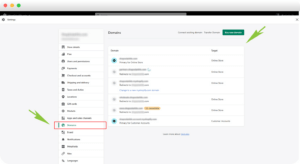
How to Deactivate a Shopify Store: A Clear, Practical Guide
Deactivating a Shopify store isn’t complicated, but it does come with consequences many merchants overlook. This guide breaks the process down in a simple, educational...
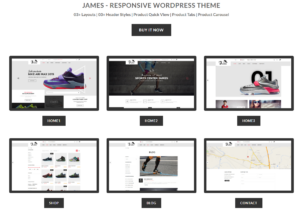
Five Shoe Store Themes Compared
Introduction Choosing the right theme for a footwear-focused independent store is not just a visual decision—it directly affects scalability, daily operations, and long-term conversion performance....

Shopify vs Etsy: The Ultimate Online Selling Showdown
Introduction: Two Platforms Walk Into a Bar… If Shopify and Etsy were people, Etsy would be that charming friend who already has a booth at...

Is Your Shopify or WordPress Site Hacked? Here’s What to Do
Introduction: The Digital Equivalent of Waking Up to a Broken Window Imagine waking up, grabbing your morning coffee, opening your laptop… and discovering your website...
How to Start a Shopify Store Without Losing Your Mind
Starting a Shopify store sounds glamorous. You picture yourself sipping coffee at noon, checking sales notifications, and casually telling friends,“Yeah, my store did pretty well...
Is Shopify Legit? A Clear Guide for New Online Sellers
If you’re researching eCommerce platforms, chances are you’ve typed one very specific question into Google: is Shopify legit? That question is completely reasonable. Launching an...