











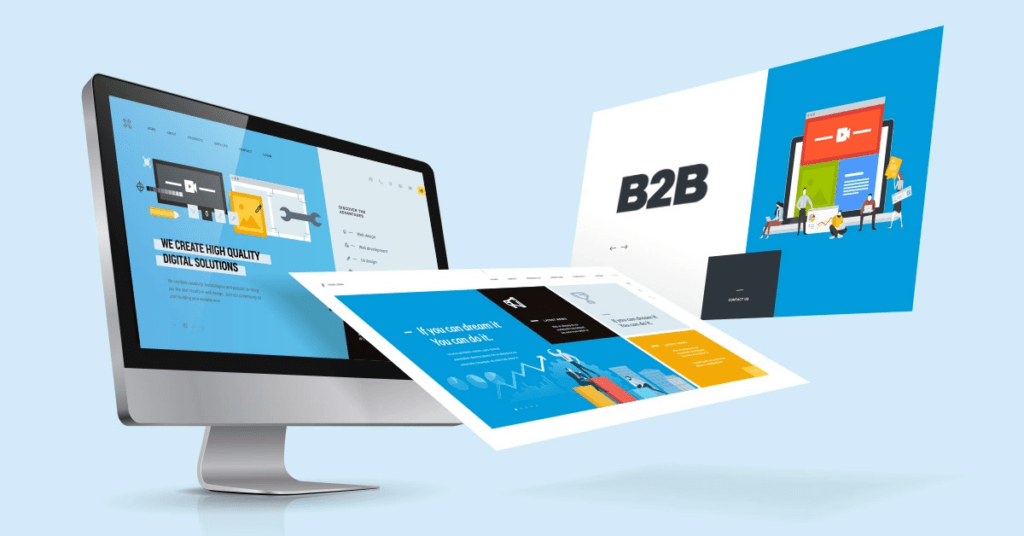
Introduction: Why B2B Web Design Is More Than Just Looks
When people talk about web design, many still think it’s mainly about visuals—colors, layouts, and images. But in the B2B world, web design plays a much deeper role. A well-designed B2B website is not just a digital brochure. It is a sales assistant, a trust builder, and a long-term growth engine.
Unlike B2C websites that often focus on impulse purchases, B2B websites serve a more complex audience. Decision-makers usually research extensively, compare vendors, consult internal teams, and expect detailed, credible information before making contact. This is why b2b web design must balance clarity, authority, usability, and conversion strategy.
In this guide, we’ll break down what B2B web design really means, how it differs from B2C design, and what elements truly matter if your goal is to attract qualified leads and support sustainable business growth.
What Is B2B Web Design?
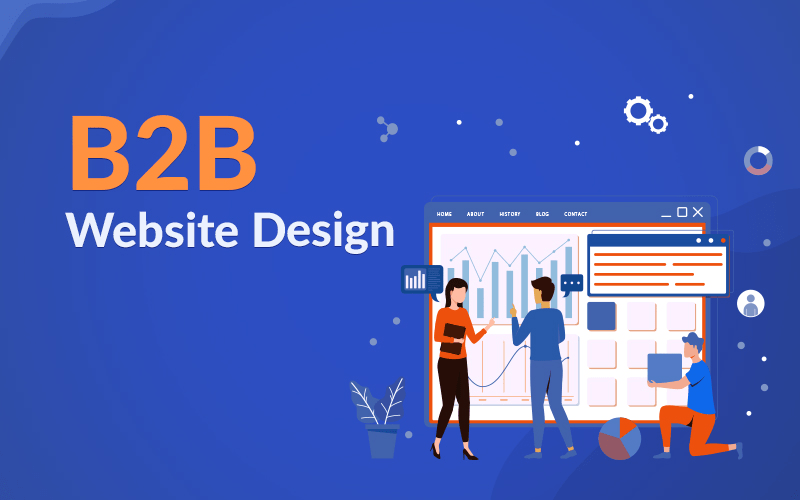
At its core, b2b web design refers to designing websites specifically for businesses that sell products or services to other businesses. These websites are built to communicate value, demonstrate expertise, and guide visitors toward meaningful actions—such as requesting a quote, booking a consultation, or starting a long-term partnership.
A strong B2B website focuses on:
- Clear communication of services or solutions
- Strong brand credibility and professionalism
- Logical content structure for research-driven visitors
- Lead generation rather than instant checkout
- Support for longer sales cycles
In other words, B2B web design is less about quick wins and more about building confidence over time.
How B2B Web Design Differs from B2C Web Design
Understanding the difference between B2B and B2C design is essential before diving into specific design strategies.
Audience and Decision-Making Process
B2B audiences are typically professionals—founders, managers, procurement teams, or technical experts. They don’t make decisions emotionally or impulsively. Instead, they look for:
- Proof of expertise
- Clear explanations
- Industry relevance
- Risk reduction
B2C audiences, on the other hand, often respond more strongly to emotions, promotions, and lifestyle imagery.
Sales Cycle Length
B2B sales cycles are usually longer. A website must support multiple touchpoints across weeks or even months. This means the design must encourage repeat visits, deeper content exploration, and trust-building.
Content Depth
B2B websites often require more detailed content, such as:
- Service breakdowns
- Case studies
- White papers or guides
- FAQs and process explanations
This makes information architecture and content hierarchy especially important in b2b web design.
The Core Goals of Effective B2B Web Design

Every successful B2B website is built around clear objectives. Design decisions should always support these goals.
1. Establish Trust and Credibility
Trust is everything in B2B. Visitors want to know:
- Who you are
- What you specialize in
- Who you’ve worked with
- Why they should trust you
Design elements that support trust include professional typography, consistent branding, clean layouts, real client examples, and transparent messaging.
2. Communicate Value Clearly
B2B visitors should understand your value proposition within seconds. A strong hero section, clear headlines, and concise explanations help answer one key question:
“What problem do you solve for businesses like mine?”
3. Guide Users Through Information
Good b2b web design anticipates user questions and guides them logically—from high-level understanding to deeper details. This is achieved through structured navigation, clear page hierarchy, and thoughtful internal linking.
4. Generate Qualified Leads
Unlike B2C websites that focus on transactions, B2B websites aim to convert visitors into leads. This includes actions such as:
- Contact form submissions
- Consultation bookings
- Demo requests
- Downloading resources
Design should make these actions visible but never aggressive.
Key Elements of High-Performing B2B Web Design
Clear Information Architecture
B2B websites often contain complex information. A clean, logical structure helps users find what they need quickly.
This includes:
- Simple navigation menus
- Well-defined service categories
- Clear page naming
- Logical content flow
When visitors feel lost, trust drops instantly.
Strategic Homepage Design
The homepage is often the first impression. In B2B web design, it should quickly answer:
- What you do
- Who you help
- How you help
- What to do next
Instead of overwhelming visitors, a strong homepage acts as a guide that directs different audience segments to relevant content.
Service Pages That Educate
Service pages are not sales pitches—they are educational resources. A good B2B service page explains:
- The problem
- The solution
- The process
- The benefits
- The outcomes
This educational approach positions your brand as a partner rather than a vendor.
Case Studies and Proof
Nothing builds trust like real-world results. Case studies, client logos, testimonials, and industry experience demonstrate that you understand business challenges and can deliver solutions.
In b2b web design, social proof should feel authentic, not exaggerated.
The Role of UX in B2B Web Design
User experience (UX) is not just about aesthetics—it’s about usability and clarity.
Simplicity Over Flash
B2B visitors value efficiency. Clean layouts, readable fonts, and intuitive interactions outperform flashy animations or overly artistic designs.
Mobile and Responsive Design
Even in B2B, decision-makers browse on mobile devices. A responsive design ensures that content remains readable and navigation remains intuitive across all screen sizes.
Speed and Performance
Slow-loading websites damage credibility. Performance optimization is a crucial but often overlooked part of b2b web design.
Content Strategy and SEO in B2B Web Design
Design and content must work together. A beautiful website without strong content will not perform.
SEO-Friendly Structure
B2B websites rely heavily on organic traffic. Proper use of headings, internal links, and keyword-focused content ensures search engines can understand and rank your pages.
Targeting keywords like b2b web design within informative, well-structured content helps attract decision-makers actively searching for solutions.
Educational Content Builds Authority
Blogs, guides, and resources allow you to demonstrate expertise while supporting SEO. Over time, this content builds trust even before a visitor contacts you.
Common Mistakes in B2B Web Design
Despite good intentions, many B2B websites fall into similar traps.
Being Too Generic
Using vague language like “innovative solutions” or “cutting-edge services” without specifics weakens credibility.
Overloading Information
Too much content without structure overwhelms visitors. Clarity always beats quantity.
Ignoring Conversion Paths
If visitors don’t know what to do next, the website fails its purpose. Clear calls to action are essential, even in subtle forms.
Measuring Success in B2B Web Design
A successful B2B website is measured not just by traffic, but by quality engagement.
Key indicators include:
- Time on page
- Pages per session
- Lead quality
- Inquiry relevance
- Conversion rates
Design decisions should always support these outcomes.
How B2B Web Design Supports Long-Term Growth
B2B websites are long-term assets. With the right foundation, they can:
- Reduce reliance on paid ads
- Improve lead quality
- Shorten sales cycles
- Strengthen brand positioning
Good b2b web design evolves with your business and supports sustainable growth rather than short-term wins.
Final Thoughts: Where AIRSANG Fits In
At AIRSANG, this is exactly the type of work we focus on.
We specialize in cross-border business websites, helping B2B brands present themselves clearly, professionally, and strategically to global audiences. From structure and layout to messaging and conversion flow, website design is one of our core strengths.
If you’re building or improving a B2B website and want it to do more than just look good—if you want it to support growth, trust, and long-term partnerships—AIRSANG is here to help.
We don’t just design websites.
We design clarity, credibility, and scalable digital foundations for cross-border B2B businesses.

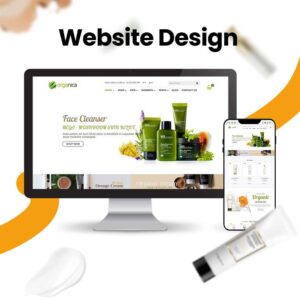
Design and build a WordPress website or corporate site with a full eCommerce system for you.
Price range: $200.00 through $2,500.00Custom requirements or special quotations
Original price was: $2.00.$1.00Current price is: $1.00. Are 50 Plugins Too Many for a WordPress eCommerce Store?
Understanding the Real Performance Impact Having 50 plugins on a WordPress eCommerce site isn’t automatically a problem. In fact, the number alone rarely determines performance....
Main Image Design for Amazon Lipstick Conversion
Introduction: Designing a Lipstick Main Image That Sells on Amazon When we design a Main image for an Amazon lipstick, our responsibility goes far beyond...

How Hackers Steal WordPress Admin Emails (And How to Stop Them)
Let’s start with an uncomfortable truth: Your WordPress admin email is probably way more public than you think.And hackers? They love that. To them, your...

What Makes an Amazon Liquid Foundation Main Image Convert
Introduction Designing a Main image design for Amazon Liquid foundation is never just about making a product look beautiful. On Amazon, the main image and...

Designing an Effective Amazon Main Image for Filter Cartridges
Introduction Designing a Main image for Amazon is never just about making a product look attractive. It is about clarity, trust, and instant understanding—especially for...
Replay Attacks on WordPress: Real Threat or Overhyped Myth?
Let’s clear something up first. Replay attacks don’t look scary.They don’t smash passwords.They don’t inject evil code with green hacker text flying everywhere. They’re sneaky....
How to Duplicate WordPress Pages Without Breaking Anything
Let’s face it. Sometimes you don’t want to create a new page.You just want the same page… but slightly different. Same layout.Same blocks.Same settings. Because...

Five Pet WordPress Themes Compared
Introduction Choosing the right pet-related WordPress theme is more than a design decision—it directly affects usability, scalability, and long-term business growth. Pet care and pet...
Comparing Five Swimwear eCommerce Themes
Introduction Choosing the right theme for a swimwear or lingerie independent store is not just a visual decision—it directly affects conversion rates, scalability, and long-term...
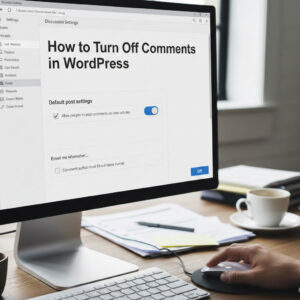
How to Turn Off Comments in WordPress (Without Losing Your Mind)
Let’s talk about WordPress comments. In theory, comments are great.They encourage discussion.They build community.They make your website feel “alive.” In reality? They’re often a magnet...

WordPress 500 Error: When Your Website Decides to Panic
Your WordPress site was fine a minute ago.You refreshed the page.And suddenly—boom 💥—500 Internal Server Error. No explanation.No apology.Just a cold, confusing message that basically...
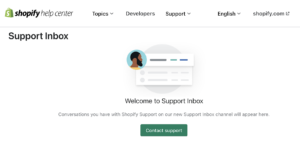
How to Contact Shopify Support: Simple, Stress-Free Guide
Running a Shopify store should feel exciting—not confusing. When questions pop up or issues slow you down, Shopify offers several support paths depending on what...
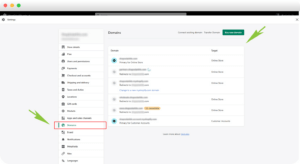
How to Deactivate a Shopify Store: A Clear, Practical Guide
Deactivating a Shopify store isn’t complicated, but it does come with consequences many merchants overlook. This guide breaks the process down in a simple, educational...
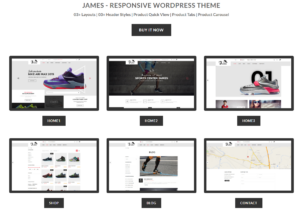
Five Shoe Store Themes Compared
Introduction Choosing the right theme for a footwear-focused independent store is not just a visual decision—it directly affects scalability, daily operations, and long-term conversion performance....
Shopify vs Etsy: The Ultimate Online Selling Showdown
Introduction: Two Platforms Walk Into a Bar… If Shopify and Etsy were people, Etsy would be that charming friend who already has a booth at...

Is Your Shopify or WordPress Site Hacked? Here’s What to Do
Introduction: The Digital Equivalent of Waking Up to a Broken Window Imagine waking up, grabbing your morning coffee, opening your laptop… and discovering your website...
How to Start a Shopify Store Without Losing Your Mind
Starting a Shopify store sounds glamorous. You picture yourself sipping coffee at noon, checking sales notifications, and casually telling friends,“Yeah, my store did pretty well...
Is Shopify Legit? A Clear Guide for New Online Sellers
If you’re researching eCommerce platforms, chances are you’ve typed one very specific question into Google: is Shopify legit? That question is completely reasonable. Launching an...