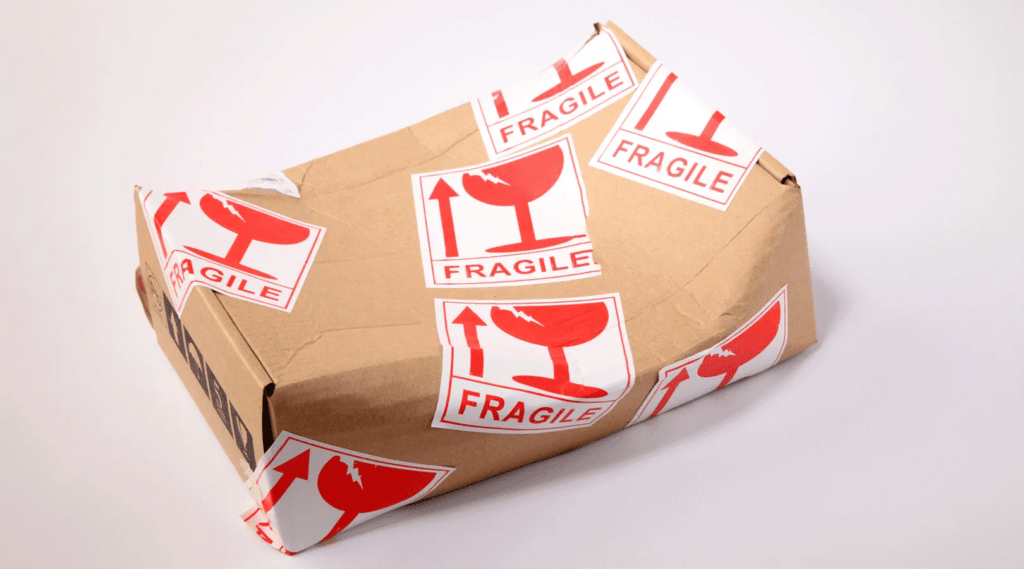
When a customer opens a package and finds a damaged product, frustration builds instantly. For Shopify merchants, this moment can quickly turn into a refund dispute, a negative review, or even a chargeback if it is not handled properly.
If you sell online, shipping damage is not a rare edge case — it is an operational reality. Couriers handle millions of parcels every day, and even the best packaging cannot prevent every accident. What matters most is how you respond when an item arrived damaged on Shopify.
This guide explains, in plain language, how Shopify merchants should understand shipping damage, document evidence, file claims with carriers, and protect both customer trust and long-term profitability.
Understanding “Item Arrived Damaged” on Shopify

When shoppers say “item arrived damaged”, they usually mean one of three things:
- The outer packaging is damaged and affected the product
- The product itself is broken, scratched, or unusable
- The item works, but its appearance is visibly compromised
From a customer’s perspective, all three are considered unacceptable. From a merchant’s perspective, they raise a key question:
Who is responsible — the seller, the carrier, or both?
On Shopify, the platform itself does not automatically handle shipping damage claims. Instead, Shopify provides the order data, fulfillment records, and customer communication tools — while the actual claim process depends on the shipping carrier and your store policies.
Why Shipping Damage Is a Business Risk, Not Just a Support Issue

Many sellers treat damaged shipments as isolated customer service problems. In reality, they impact several core areas of your business:
- Profit margins: Refunds, reshipments, and lost inventory
- Brand trust: How customers judge your reliability
- Operational efficiency: Time spent resolving disputes
- Platform health: Risk of payment disputes and negative reviews
Merchants who lack a clear process often react emotionally or inconsistently, which makes situations worse instead of better.
A structured approach turns a problem into a controllable workflow.
First Response: What to Do When a Customer Reports Damage
When a customer contacts you about a damaged item, your first reply matters more than the solution itself.
The goal is to acknowledge the issue, gather evidence, and slow escalation.
Step 1: Respond Quickly and Calmly
A delayed response signals indifference. Even if you do not yet know the solution, reply within 24 hours.
A simple acknowledgment reassures the customer that the issue is being taken seriously.
Step 2: Request Clear Evidence
Before offering refunds or replacements, request:
- Photos of the damaged product
- Photos of the outer packaging
- Photos of the shipping label
- A short description of how the package arrived
This documentation is essential for carrier claims and internal tracking.
Step 3: Check Order and Fulfillment Details
Inside your Shopify admin, verify:
- Fulfillment status
- Shipping method used
- Carrier name and tracking number
- Delivery confirmation
This information determines your next steps.
Who Files the Shipping Claim?
A common misunderstanding among merchants is assuming customers should file claims themselves.
In most cases, the merchant files the claim, not the buyer.
Why?
- The shipping contract is between you and the carrier
- You paid for the shipping service
- Carriers typically require account credentials
If you used Shopify Shipping or a third-party fulfillment partner, the claim process may differ slightly — but responsibility still usually falls on the seller.
Filing a Shipping Claim: General Process
While each carrier has its own interface, the overall structure is similar across providers.
Step 1: Gather Required Information
You will typically need:
- Tracking number
- Shipment date
- Declared value
- Proof of damage (photos)
- Proof of value (invoice or order summary)
Your Shopify order page provides most of this information.
Step 2: Submit the Claim Within the Time Limit
Carriers enforce strict deadlines. Missing them often means automatic rejection.
For example:
- Some carriers require damage claims within a few days of delivery
- Others allow longer windows but require immediate reporting
Delays weaken your position.
Step 3: Monitor Claim Status
Claims are not instant. They may take days or weeks to process.
During this period, proactive customer communication is essential.
Should You Refund or Wait for the Claim?
This is one of the hardest decisions for Shopify merchants.
There are two common approaches:
Option 1: Immediate Refund or Replacement
Pros:
- Preserves customer trust
- Reduces dispute risk
- Improves brand perception
Cons:
- Temporary cash flow impact
- Risk if the claim is denied
Option 2: Wait for Carrier Resolution
Pros:
- Financially safer
- Avoids double losses
Cons:
- Frustrates customers
- Increases dispute risk
Most experienced merchants choose customer-first resolution, then pursue carrier reimbursement separately.
In eCommerce, customer experience often outweighs short-term cost optimization.
How Shopify Helps (and What It Doesn’t Do)
Shopify does not directly approve or deny shipping damage claims. However, it provides tools that make the process manageable:
- Centralized order records
- Fulfillment and tracking visibility
- Customer communication history
- Proof of transaction value
Shopify Shipping users may have streamlined claim flows depending on carrier integration, but policy enforcement still belongs to the shipping provider.
Understanding this separation avoids misplaced expectations.
Preventing Damage Claims Before They Happen
The most profitable shipping claim is the one you never need to file.
Improve Packaging Design
Common improvements include:
- Thicker outer boxes
- Custom inserts or molded padding
- Double-boxing fragile items
- Shock-absorbing materials
Packaging is part of product design, not an afterthought.
Set Clear Expectations on Product Pages
If an item is fragile, handmade, or prone to cosmetic variation, explain this clearly before purchase.
Clear expectations reduce conflict.
Define a Transparent Damage Policy
Your store policy should explain:
- What qualifies as shipping damage
- What evidence is required
- Replacement vs refund options
- Resolution timelines
When policies are visible, disputes feel procedural — not personal.
Turning a Damaged Shipment Into a Trust-Building Moment
Ironically, many long-term customers are created during problem resolution.
When handled well, a damaged shipment can show:
- Professionalism
- Accountability
- Empathy
Customers remember how you fix problems more than the problem itself.
A calm, structured response signals that your brand is reliable — even when things go wrong.
Why Process Design Matters for Shopify Stores
Many Shopify stores fail not because of traffic or products, but because their operations cannot scale with growth.
Shipping issues expose weaknesses in:
- Workflow design
- Policy clarity
- Customer communication systems
This is where thoughtful store design, documentation, and backend logic make a measurable difference.
How AIRSANG Helps Shopify Merchants Go Further
Handling an item arrived damaged Shopify situation is not just about claims — it reflects the maturity of your entire operation.
At AIRSANG, we specialize in cross-border eCommerce support, including:
- Shopify store structure and UX design
- Policy and workflow optimization
- Trust-focused product page layouts
- Conversion-oriented customer experience design
A well-designed store reduces disputes, improves retention, and supports long-term growth — especially for international sellers navigating logistics complexity.
If you want your Shopify store to look professional, operate smoothly, and scale confidently across borders, AIRSANG is here to help.