









Nenhum produto no carrinho.
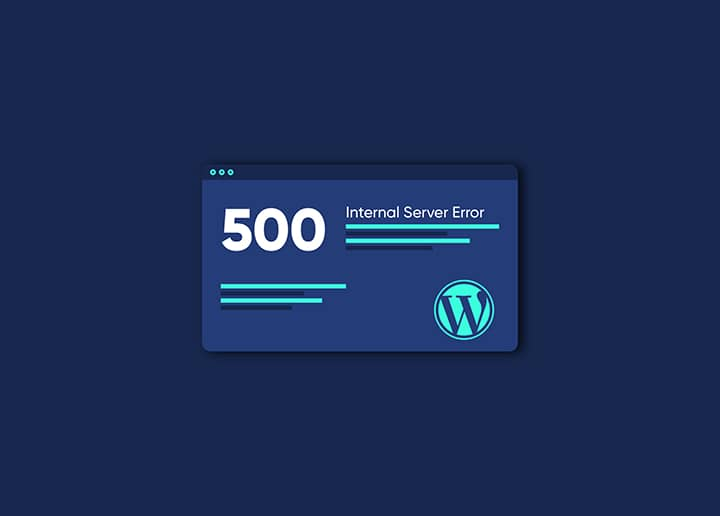
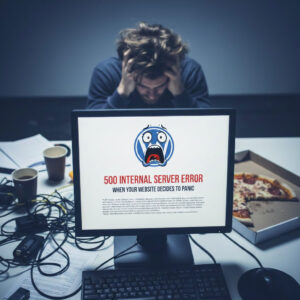
Running into a 500 Internal Server Error on your WordPress site can feel like hitting a brick wall. One moment everything is working fine, and the next your site is down with a vague message that doesn’t explain what went wrong. This type of error — often shown as HTTP ERROR 500, Internal Server Error, or simply Error 500 — is not specific to WordPress but is especially common on WordPress sites due to the way WordPress is built and extended with plugins and themes.
In this guide, we’ll break down what the HTTP 500 error means, why it happens, and how you can fix it in a clear, step-by-step way. Whether you’re troubleshooting on your own or preparing to work with a developer, this overview will help you understand the root causes and best solutions for WordPress HTTP Error 500 issues.
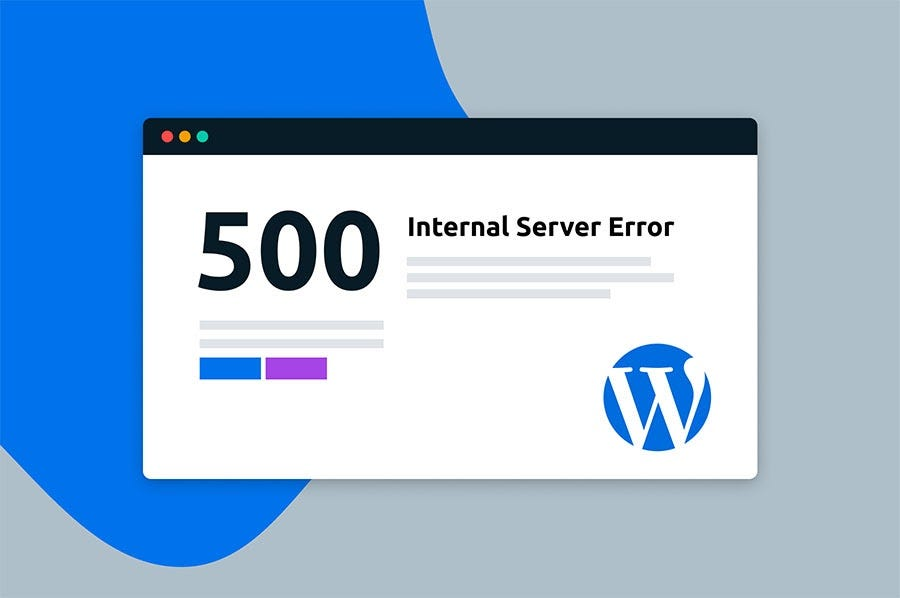
When a visitor sees a 500 Internal Server Error, it means something has gone wrong on the server hosting your WordPress site — but the server isn’t giving detailed information about what caused it. This makes the message frustratingly vague.
From a business perspective, a 500 error is more than just annoying. It blocks users from seeing your content, checking out products, logging in, or interacting with your site in any way. If the error lasts long enough, search engines might stop indexing your pages, traffic drops, and visitors lose trust in your site’s reliability.
Because the HTTP 500 error is a generic server-side message, multiple underlying causes can trigger it. Understanding the most common ones will help you fix the issue more efficiently:
In WordPress, plugins and themes add functionality and design — but sometimes they clash with each other or with WordPress itself. A newly installed or updated plugin or theme that isn’t compatible with your version of WordPress can easily trigger a 500 error.
Files like .htaccess or core WordPress files can become corrupted during updates or modifications. When these control files stop communicating properly with the server, the WordPress site can crash with a 500 error.
Every WordPress site has a PHP memory limit — a cap on how much server memory it can use. If your theme or plugins exceed this limit, the server may not have enough memory to process requests, resulting in an HTTP Error 500.
This error can sometimes be caused by misconfigured servers, outdated software, or even a temporary overload on your hosting account. These problems lie outside WordPress itself but affect WordPress sites the same way they affect any server-based website.
WordPress relies on specific file and directory permissions so the server knows which files it can read and execute. If these permissions get changed or are incorrect, your server might refuse to run crucial WordPress scripts.
Troubleshooting a 500 Internal Server Error means working through each potential cause methodically. Below is a logical sequence of steps that start with simple checks and move toward more technical fixes.
Before doing anything else, ensure you have a complete backup of your WordPress site, including the database and files. This way, if something goes wrong while troubleshooting, you can restore your site to the previous working state.
Occasionally, your browser may be displaying an old, cached version of a broken page even after the problem is fixed. Clearing your browser’s cache and refreshing the page can sometimes resolve the error immediately.
Since plugins are a frequent source of conflicts:
If the site starts working again, reactivate plugins one by one until the error reappears. The last plugin activated before the error returned is likely the cause.
If you can’t access the dashboard, use an FTP client or your hosting file manager to rename the plugins folder inside wp-content. This will effectively deactivate all plugins at once.
If disabling plugins didn’t fix the problem, your active theme might be the culprit. Switching to a default WordPress theme like Twenty Twenty-Three can help you determine whether your current theme is causing the error.
.htaccess ArquivoO .htaccess file governs important WordPress server settings. It can become corrupted, especially if your site uses permalink changes or SEO plugins heavily. Renaming .htaccess (for example, to .htaccess_old) temporarily disables it — and if this fixes the error, you can regenerate a fresh version by saving the permalink settings in your dashboard.
You can try increasing your site’s PHP memory limit. To do this, add the following line at the top of your wp-config.php file:
define('WP_MEMORY_LIMIT', '256M');
If adding this line fixes the issue, you’re likely hitting the old memory cap. If not, your host may need to raise the memory limit from the server side.
If nothing so far helps, the problem might be corrupted WordPress core files. Download a fresh copy of WordPress, then use FTP to overwrite the wp-admin e wp-includes folders on your server with the new versions. This won’t affect your content but can replace broken core files.
If all else fails, your hosting support team can check server logs and settings that you don’t have access to. They can often pinpoint issues like memory limits, PHP configuration problems, or temporary server faults that are beyond your control.
Once you’ve resolved the issue, it’s worth taking a few steps to reduce the chance of seeing an HTTP Error 500 again:
These practices improve overall site performance and stability, and help prevent critical errors from interrupting your visitors’ experience.
Encountering an HTTP Error 500 WordPress can be stressful — especially when it affects your traffic, sales, or reputation — but the error is almost always fixable with a systematic approach. From simple cache clears and plugin checks to deeper server-level troubleshooting, the methods above will help you diagnose and resolve most causes efficiently.
If you’re running a business-critical WordPress site and want expert help, that’s exactly what we do at AIRSANG. We specialize in cross-border digital experiences and professional website design, helping businesses keep their WordPress sites fast, error-free, and optimized for global audiences. Whether you need troubleshooting support or a custom WordPress build that avoids common problems like HTTP 500 errors, we’re here to assist you — just reach out!