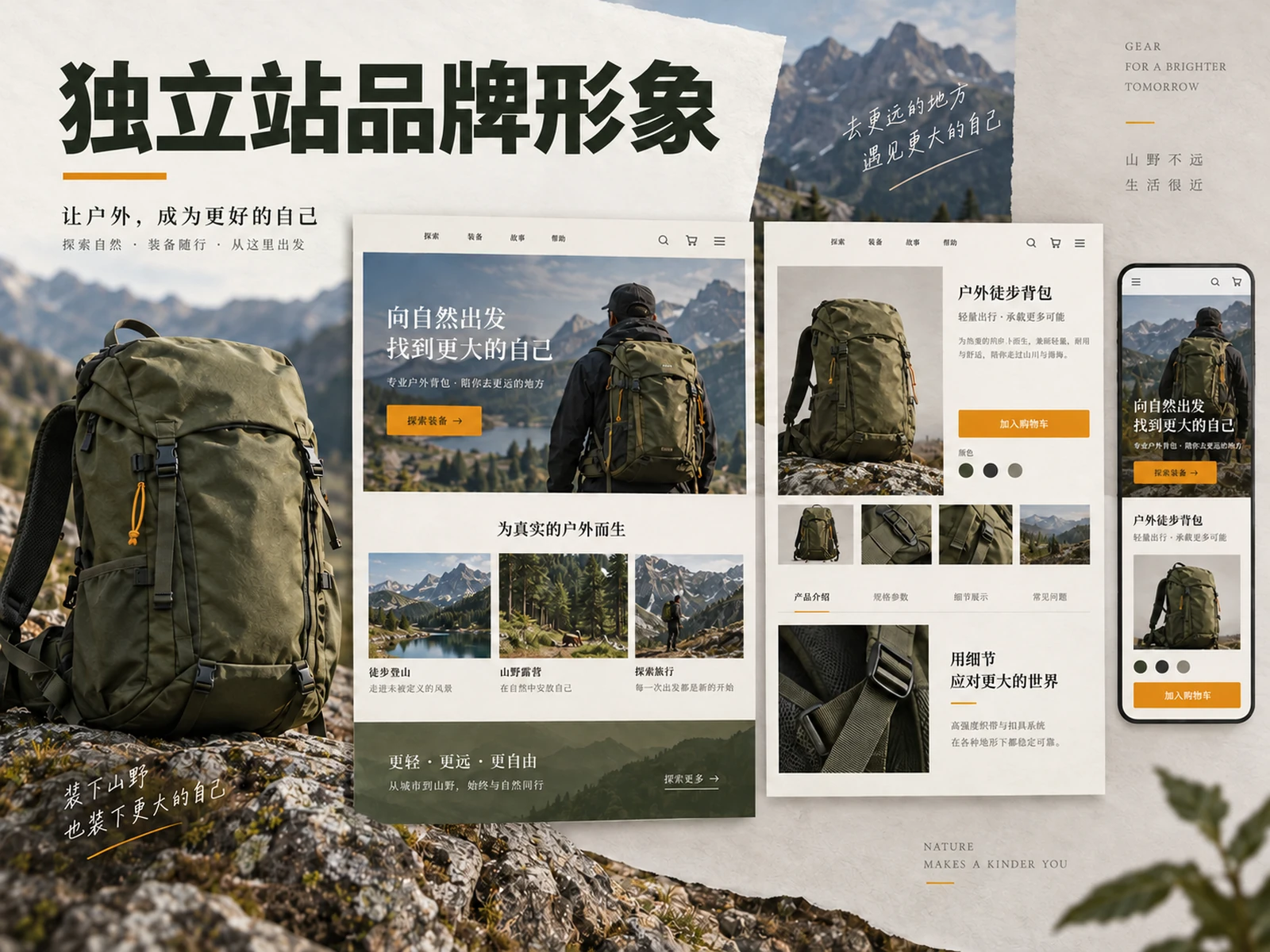
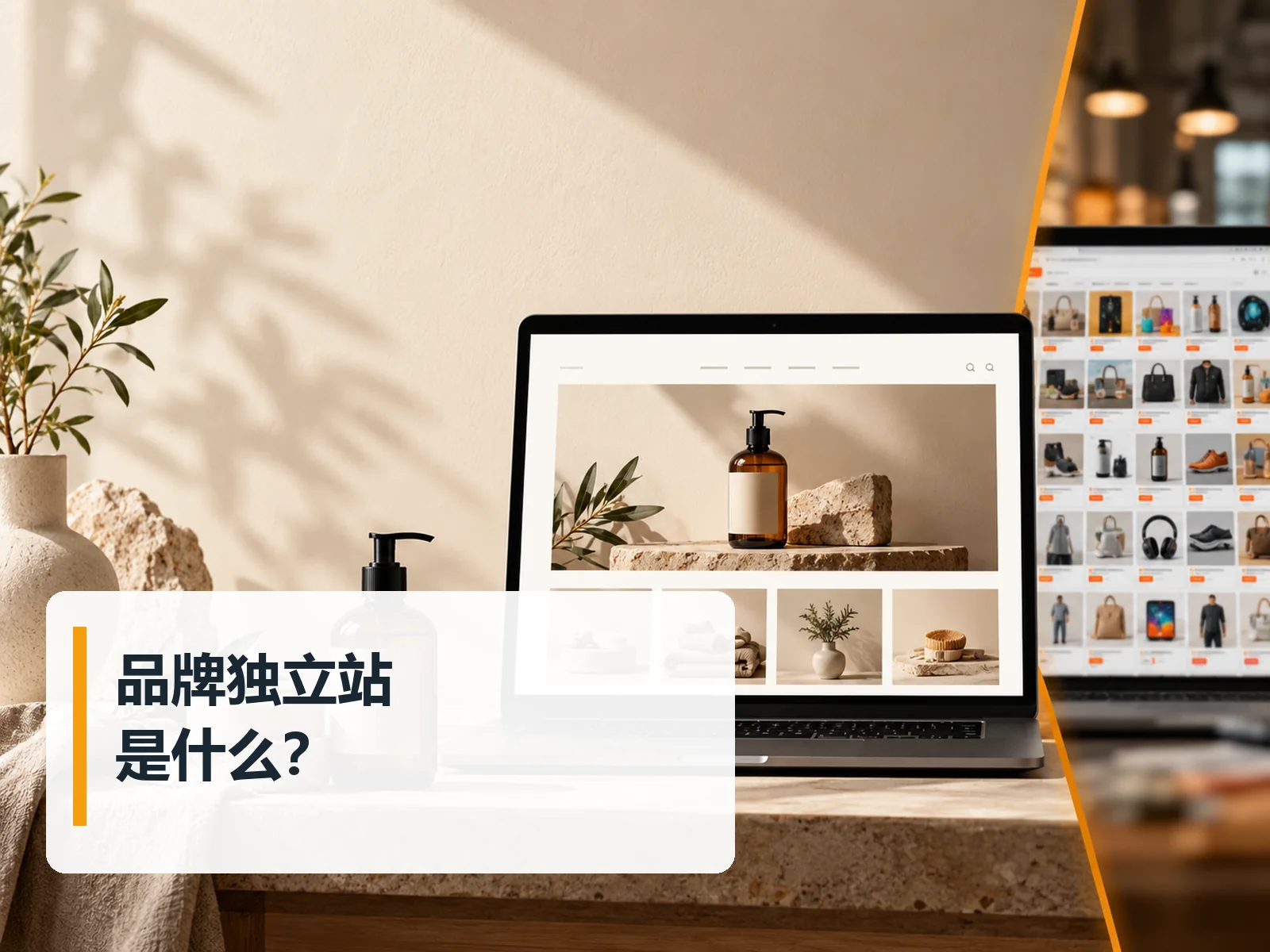
An independent brand website uses the brand’s own web address to bring products, introductions, and purchasing or inquiry options together on a site it operates. It can use a hosted platform such as Shopify or a system such as WordPress. “Independent” means the brand is central; it does not require writing your own code or buying a server.
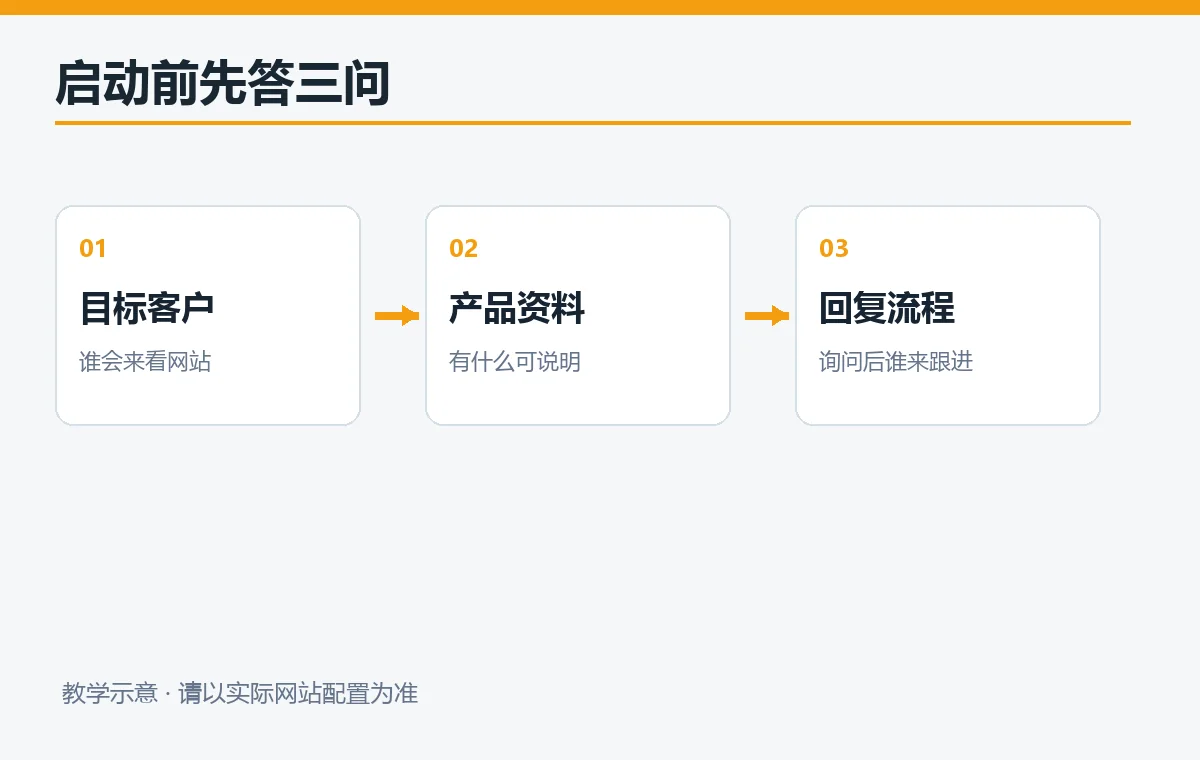
If you are just starting to sell, do not rush to compare website tools. First ask why customers should remember your brand, where they will arrive from, and whether they should order directly or contact sales after viewing a product. These three questions determine what the site should be.
How Does It Differ from a Conventional Corporate Website?
Both can use their own domain and tell a brand story. The main difference is what visitors need to do. A brochure website often prioritizes company information, credentials, and contact details; a brand commerce site also carefully organizes categories, product details, buying or inquiries, and after-sales support.
Consider a lighting company. If its site offers only an About page and telephone number, buyers still need to ask about every lamp’s dimensions, materials, and lead time. Clear product pages with saving, quotation, or purchasing options allow the site to support sales. Online payment is not essential at launch; B2B businesses can aim for qualified inquiries.
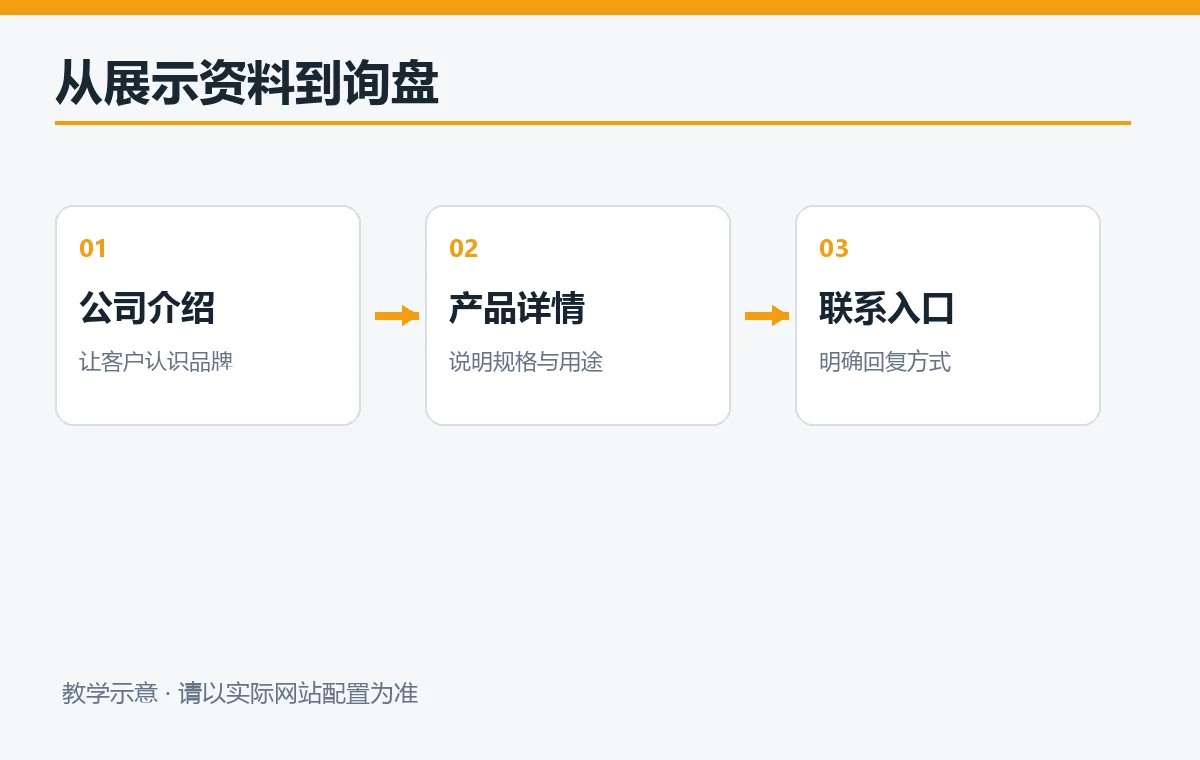
Sketch a visitor journey on paper: from the homepage, can someone find a suitable product and then delivery, shipping costs, or contact details? A more expensive platform will not automatically repair a missing step. When preparing materials, see our cross-border ecommerce website launch checklist , while this article first explains the concept.
How Does It Differ from Stores on Taobao or Amazon?
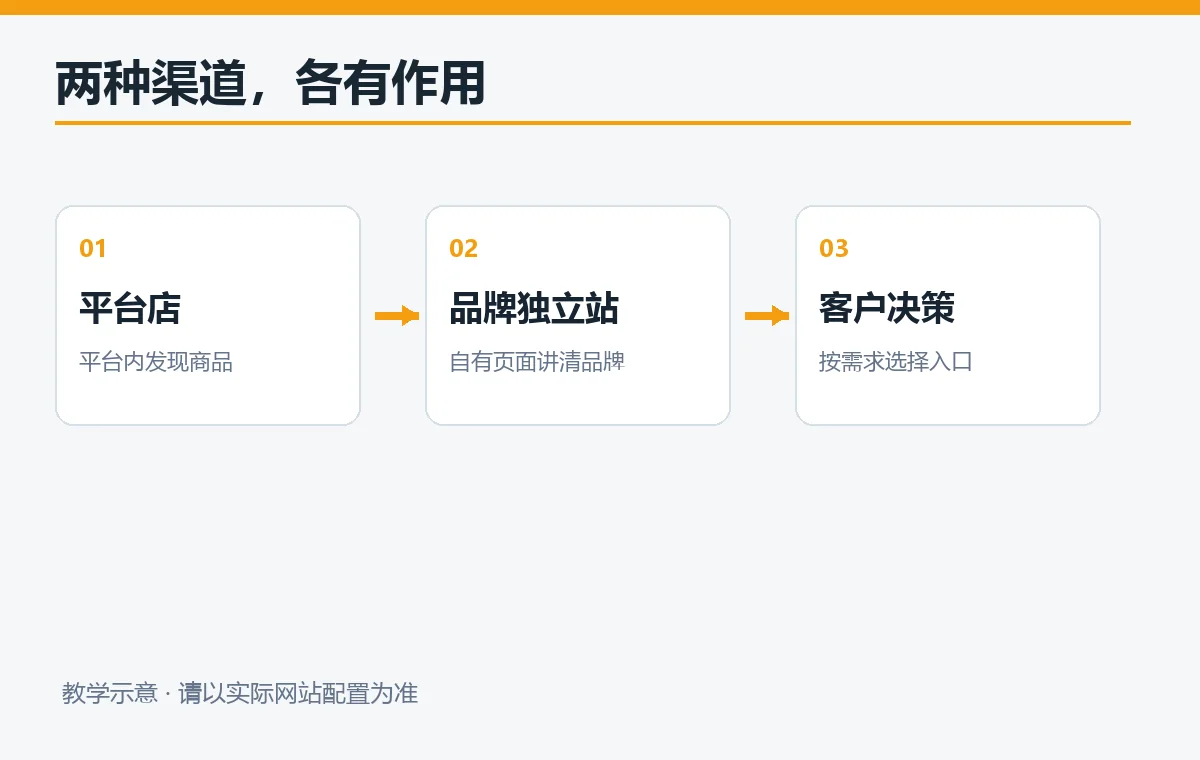
A marketplace store resembles a shop in a shopping center: the platform supplies browsing entry points and transaction rules while defining many page positions and feature boundaries. An independent brand site resembles your own premises. Merchants usually arrange the address, page sequence, and messaging, but opening a site does not automatically bring visitors.
The table compares what customers can do and what merchants must handle. It does not treat any platform’s plan features as permanent promises. Payment options, data exports, and permissions depend on the provider’s current terms and your region.
| Comparison | Independent Brand Website | Marketplace Store | Corporate Brochure Website |
|---|---|---|---|
| Visitor Sources | Search, advertising, social media, and email, continuously managed by the merchant | Marketplace search and promotions, with external traffic also possible | Brand searches, business cards, or business contacts |
| Page Presentation | Designed around the brand and customer decision sequence | Follows platform templates and rules | Emphasizes company information and services |
| Transaction Journey | Purchases or inquiries, depending on the business | Usually follows the platform’s transaction process | Usually starts with contacting the company, followed by offline discussions |
| Main Responsibilities | Content, traffic acquisition, maintenance, and service | Product selection, operations, and platform policy compliance | Accurate information and working contact options |
These three formats need not be mutually exclusive. A brand can reach marketplace shoppers through its store and use its own website for visitors seeking its full range, background, and ongoing service. Businesses handling complex projects can gradually add product information and inquiries to a brochure site without becoming a large online shop overnight.
What Can You Decide on Your Own Brand Website?
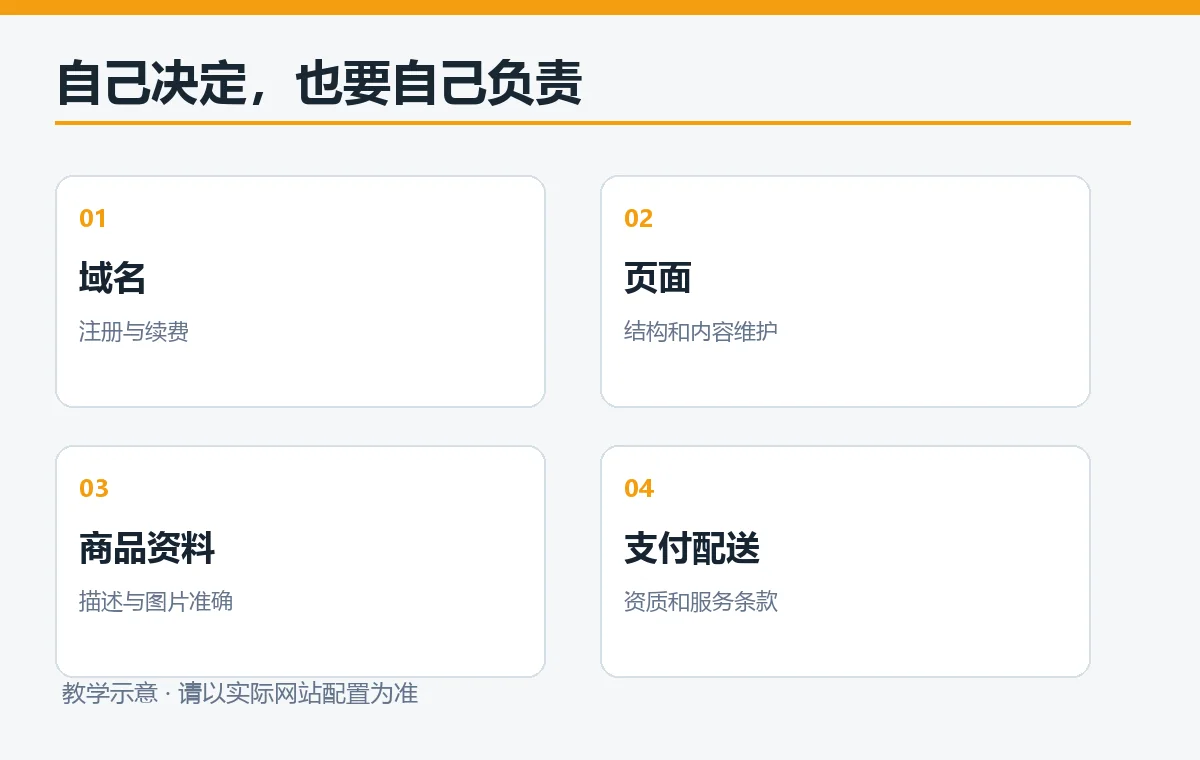
You can usually choose the address, visual identity, navigation, content order, product descriptions, and contact or checkout options. That does not mean every system and all data belong entirely to you. Hosted services still have plan, payment, app, and data-processing rules; open-source systems require hosting, plugin, and security maintenance. Read the terms before choosing.
Check Four Forms of Control You Actually Need
Shopify’s explanation of self-built stores says merchants can plan their store presentation and operations. This provider introduction helps explain the concept, but does not prove all providers work alike. Focus on four checks:
- Does the domain use your brand name, and can you retain it when changing providers?
- Can pages follow buyers’ questions instead of only accepting a fixed template?
- Can product, order, or inquiry data be managed and exported as needed? Exact permissions depend on the contract and tools.
- Who handles payments, shipping, and after-sales service, and can the website’s promises be fulfilled?
If you only need to launch ten products, do not buy complex features simply for “independence.” First explain each product’s real photos, specifications, use cases, and purchasing or contact method. Choose the platform afterward; our beginner’s comparison of website-building tools can help organize your selection questions.
When Is It Worth Starting?
An independent site is more useful when products are stable and the audience is clear. If a brand offers related products and buyers compare materials, sizes, combinations, and support, gathering that information in one place is clearer than asking customers to take screenshots, send messages, and repeat questions across platforms.
If products are undecided and stock or delivery arrangements change daily, a large website may only add maintenance. Start with a few core pages: brand introduction, categories, key products, shipping and returns or project workflow, and contact details. Expand after launch based on real questions rather than creating dozens of empty categories.
Three Questions Before Your First Version
Use these three questions to assess readiness:
- Can you describe your target buyer in one sentence, such as overseas retailers needing small batches of custom lighting, rather than “all customers”?
- Are key product images, specifications, price ranges, or quotation conditions ready? Mark unknown information as awaiting confirmation.
- After an order or inquiry arrives, who replies, how quickly, and how will shipping or delivery be handled?
If you can answer all three, build a small but complete version. Otherwise, organizing business information first often avoids more rework than choosing a theme first. Content and customer responses need ongoing attention after launch. Our weekly operations checklist for brand websites covers that ongoing work, distinct from the definition and starting conditions discussed here.
Is an Independent Brand Website Always Better than a Marketplace Store?
There is no simple answer. Marketplaces provide established rules and shopping environments for testing demand. Your own site offers more space for brand content but requires you to manage traffic sources, pages, and service. Both channels can coexist and support different stages.
For a new product, you might observe marketplace buyers’ questions and add recurring answers to your website’s product page. Visitors arriving through ads or social media then receive fuller explanations. New questions on the website can also improve marketplace descriptions. This shares content responsibilities; it does not directly transfer traffic between channels.
Shopify’s introduction to ecommerce models explains the basics of independent sites and third-party marketplaces. Available features, fees, and policies vary by country, plan, and time. Check current rules for your target market before deciding.
Conclusion: Define the Customer’s Task Before Choosing the Website Format
An independent brand website centers on your brand and uses your own address to support product discovery, purchasing, or inquiries. It may be a hosted store or a self-maintained site. The technical label matters less than whether visitors can complete their tasks smoothly.
At the start, write down your target buyers, the three kinds of product information they ask about most, and the next action you want them to take. Use that list to identify gaps in your marketplace store or corporate site, then decide whether to build an independent site and which pages come first. Even a small first version is more useful than an attractive homepage with no accessible products or contact details.