












การแนะนำ
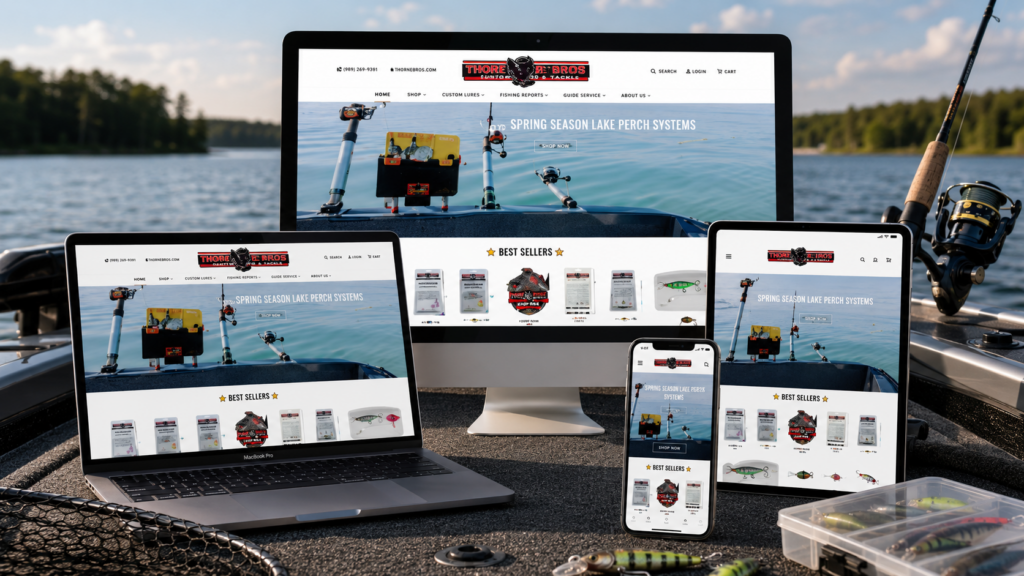
Fishing Addiction Gear presents a Shopify storefront that speaks directly to serious anglers through bold visuals, practical product organization, and a strong community-driven brand voice. The site does not rely on a generic outdoor retail look. Instead, it builds the shopping journey around real fishing scenarios, product confidence, seasonal urgency, customer proof, and a clear brand story. As designers, we see the website as a conversion-focused experience: every major section moves visitors from attention, to trust, to product discovery, to purchase intent.
The website’s navigation already shows a broad fishing-focused catalog, including planer board storage, tackle, trolling accessories, gift cards, apparel, sales, resources, wholesale, store locator, and contact options. This structure helps the Shopify store feel organized even though the product range covers many different fishing needs.
| ระยะเวลาจัดส่ง | หมวดหมู่ | ประเภทเว็บไซต์ |
| 19 วัน | fishing gear | shopify |
| นักออกแบบที่เกี่ยวข้อง | ค่าใช้จ่าย | ผล |
| หลิน จาง | $2400 | Sales📈263% |
Hero Section: Building Command From the First Screen
Why We Open With a Real Boat Scene
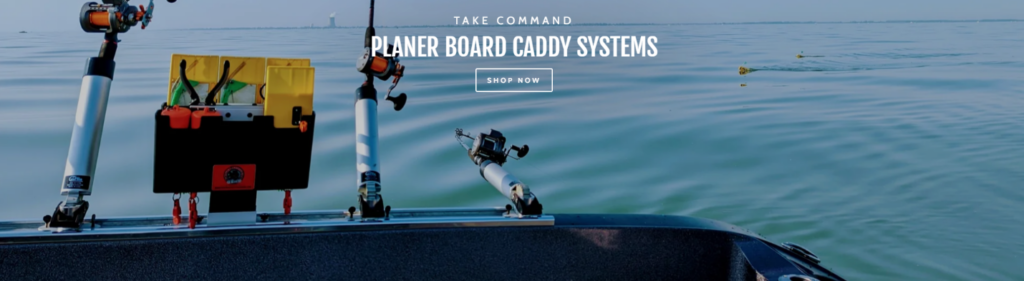
The homepage begins with a wide hero image showing a planer board caddy system installed on a boat, surrounded by open water. From a design perspective, this is the right way to introduce a practical fishing product because it shows the item in its natural environment. Instead of asking customers to imagine how the system works, the layout immediately places the product where it belongs: on the boat, during a real fishing experience.
The message “Take Command” and “Planer Board Caddy Systems” gives the hero section a confident tone. This wording works because it does not simply describe the product; it frames the product as a solution for control, organization, and efficiency on the water. The website uses this exact hero message and supports it with a direct “Shop Now” call to action.
Why the Text Is Centered Over the Water
We placed the headline in the center because the image already has strong product weight on the left side. A centered text block balances the composition and prevents the screen from feeling visually heavy. The white typography also works well against the blue water background because it creates contrast without making the design feel aggressive.
Why the Button Stays Simple
The “Shop Now” button uses a clean outline style instead of a loud filled block. That choice keeps the hero premium and direct. Since the image itself already carries movement and context, the button only needs to guide users forward. We do not want the call to action to fight the hero image; we want it to complete the first step of the buying journey.
Perch Fishing Gear Grid: Turning Brand Energy Into Products
Why We Use a Clean White Product Area
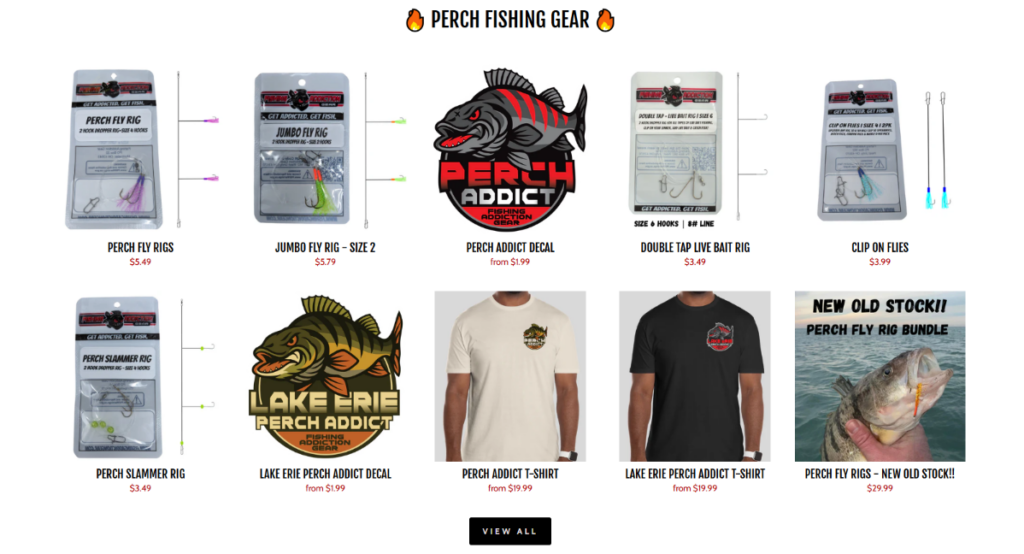
After the emotional hero, the page transitions into a clean product grid for Perch Fishing Gear. This section uses a white background because fishing rigs, decals, T-shirts, and packaged accessories already contain many shapes, colors, and small details. A busy background would make the product range harder to scan.
The site lists products such as Perch Fly Rigs, Jumbo Fly Rig, Perch Addict Decal, Double Tap Live Bait Rig, Clip on Flies, Perch Slammer Rig, and apparel items in this section. The grid gives users a quick overview of both tackle and brand merchandise.
Why the Grid Mixes Gear and Lifestyle Items
We intentionally like this mix because it shows Fishing Addiction Gear as more than a tackle seller. The product grid includes practical fishing items, decals, and shirts, which helps the brand feel like a community. For anglers, that matters. Many fishing shoppers do not only buy tools; they also connect with identity, location, personal style, and shared passion.
Why Price Visibility Matters
The red pricing creates a small but important visual signal. It makes cost information easy to spot while still allowing product photos and names to remain the main focus. This helps users compare products quickly and lowers the friction that often happens when shoppers need to click into every product page just to understand the price range.
Current Sales Section: Creating Urgency Without Chaos
Why We Add a Promotional Banner
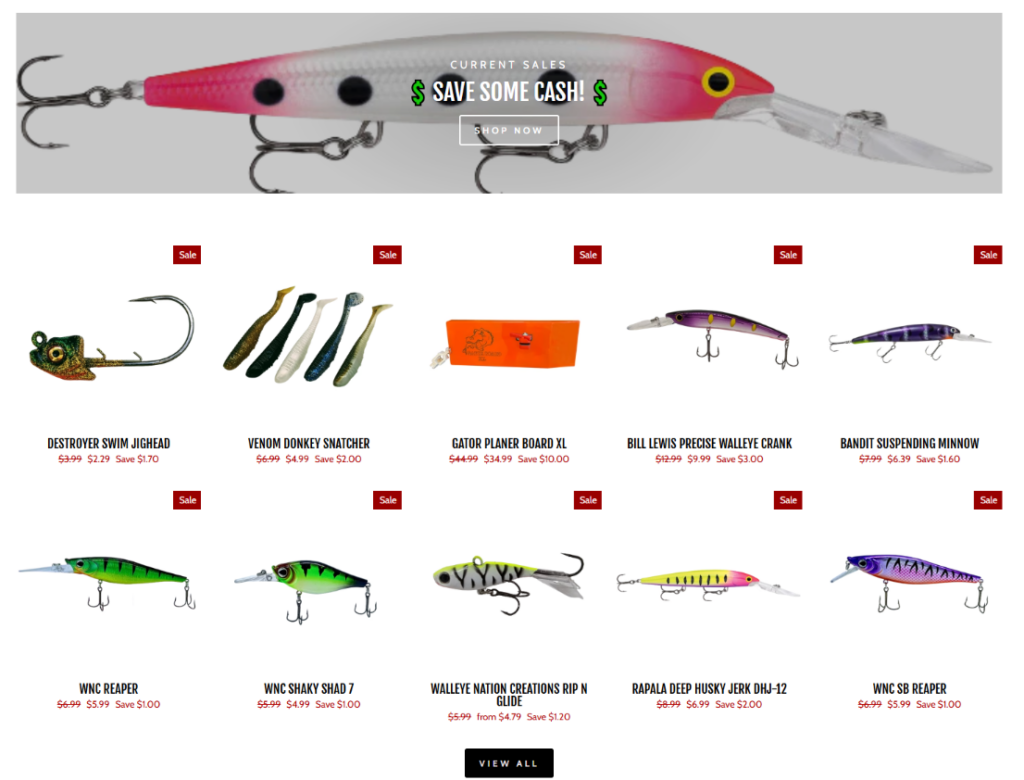
The “Current Sales” section uses a large lure banner with the message “Save Some Cash!” From a designer’s perspective, this works because it creates a clear shift in shopping mode. The previous section introduces the brand and product range; this section gives visitors a reason to act now.
The website presents current sale products with sale labels, original prices, discounted prices, and savings amounts, including items such as Destroyer Swim Jighead, Venom Donkey Snatcher, Gator Planer Board XL, Bill Lewis Precise Walleye Crank, and other fishing lures.
Why Sale Badges Stay Small and Red
The red “Sale” tags are easy to recognize, but they do not overpower the product photos. This is important because the section contains many colorful lures. If the sale badge became too large, the grid would feel cluttered. By keeping the badges small, we preserve the clean Shopify shopping experience while still highlighting urgency.
Why We Keep the Product Layout Even
Discount sections can easily become visually messy. Here, the evenly spaced product grid keeps the section organized and professional. Each item has enough breathing room, which helps customers compare shapes, colors, and prices without feeling overwhelmed. The “View All” button at the bottom gives users a natural next step after scanning the first set of deals.
Angler Approved Hero: Connecting Lifestyle With Trust
Why We Use a Catch Photo Before Popular Products
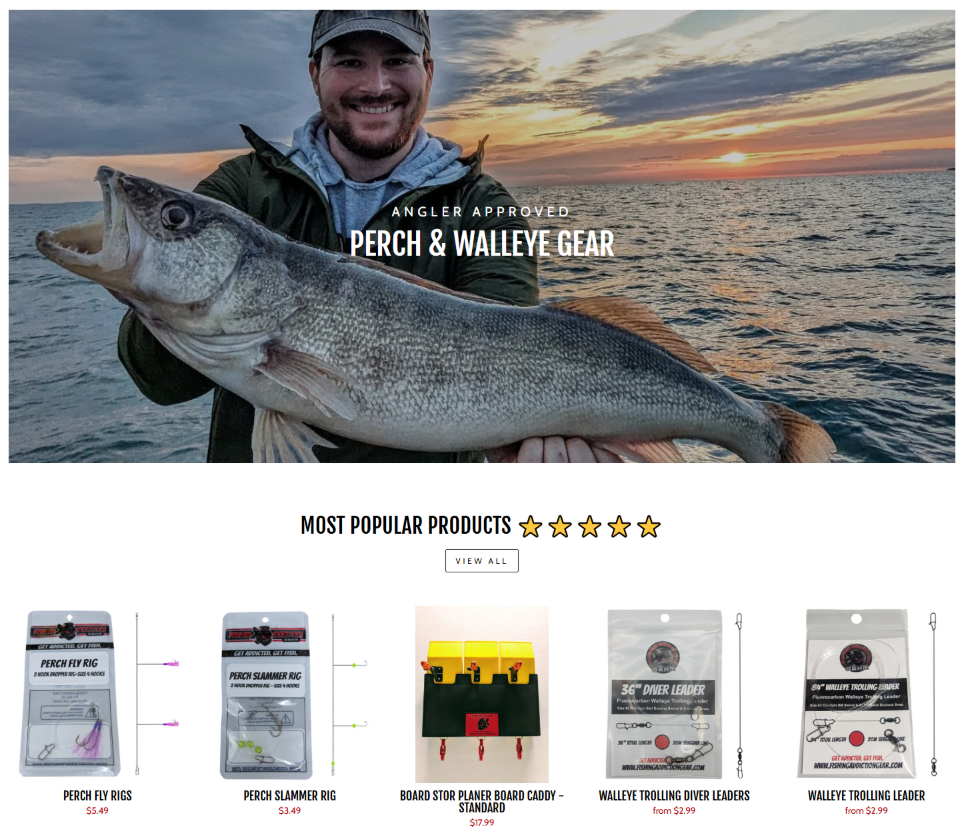
The next major section shows an angler holding a large fish at sunset with the message “Angler Approved” and “Perch & Walleye Gear.” This image creates emotional proof. It tells visitors that the products belong to real fishing moments, not just product shelves.
Below the hero image, the site introduces “Most Popular Products” with a five-star visual cue and a row of featured products, including Perch Fly Rigs, Perch Slammer Rig, Board Stor Planer Board Caddy, and Walleye Trolling Leaders.
Why the Sunset Image Works
The sunset background adds warmth, accomplishment, and memory. Fishing is not only about buying equipment; it is about chasing a result and remembering the day. By placing the fish and angler at the center of the story, the section builds a human connection before it asks the visitor to browse products.
Why “Most Popular Products” Comes Next
This sequence is very effective from a conversion perspective. First, the visual story creates desire. Then, the product row answers the next question: “What should I buy?” The “Most Popular Products” title reduces decision pressure because it suggests that other anglers already trust these items.
Catch More Perch: Designing for a Focused Product Category
Why We Create a Perch-Specific Shopping Moment
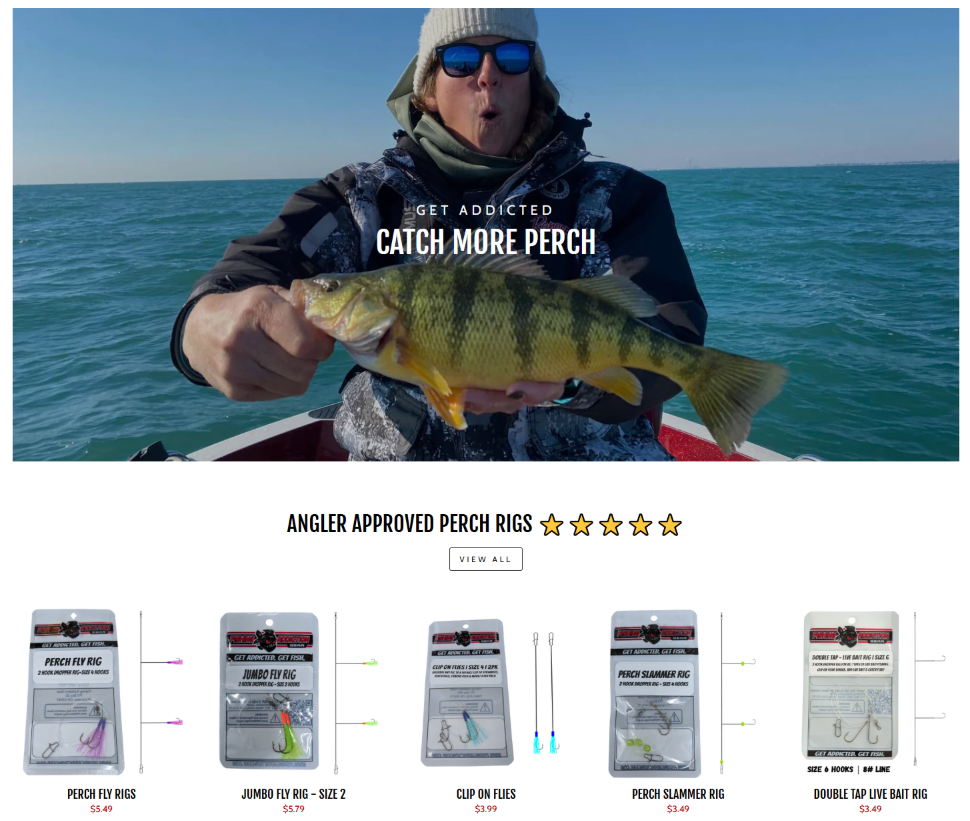
The “Catch More Perch” section narrows the page from broad fishing gear into a specific product intent. This is smart because anglers often shop based on fish species, season, technique, and water condition. A perch-focused hero image lets the site speak directly to a visitor who cares about that category.
The website follows the “Catch More Perch” visual with “Angler Approved Perch Rigs” and a product row featuring Perch Fly Rigs, Jumbo Fly Rig, Clip on Flies, Perch Slammer Rig, and Double Tap Live Bait Rig.
Why the Hero Image Feels Immediate
The angler holding the perch creates a direct, energetic feeling. The visitor does not see a still product image first; they see the result. As designers, we value this because result-driven visuals often create stronger motivation than feature-driven visuals alone.
Why the Product Row Is Simple
The product row under this section stays clean and minimal. This makes the perch rigs easy to compare. When products are small, detailed, and similar in purpose, the layout needs to avoid distraction. A simple row with product names and prices gives the shopper enough information to continue without overloading the page.
Product Proof Section: Explaining Details, Reviews, and Results
Why We Use Three Columns
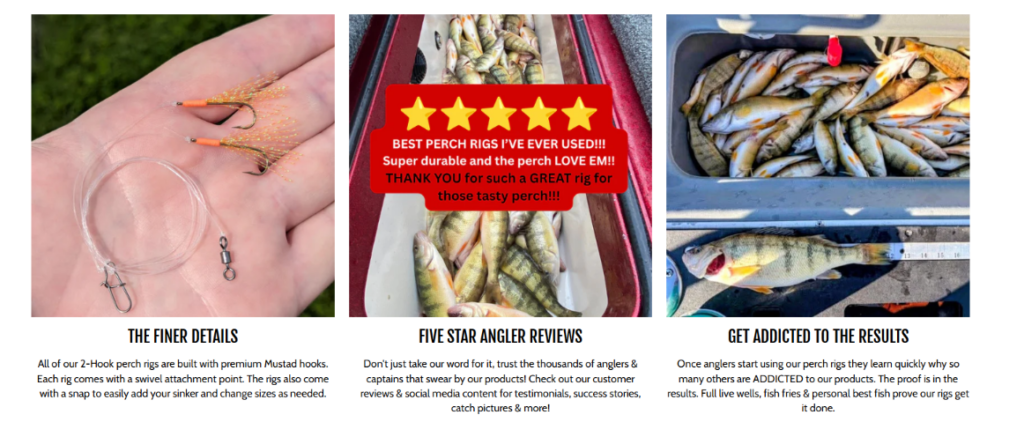
The three-column section is one of the strongest trust-building blocks on the page. It separates the message into three ideas: product detail, customer review, and real result. This structure works because it answers three different buyer concerns in one area.
The Finer Details
The left column shows the rig close-up in a hand. This helps customers understand scale, construction, and what is included. The website explains that its two-hook perch rigs use premium Mustad hooks, include a swivel attachment point, and come with a snap for adding a sinker or changing sizes.
Five Star Angler Reviews
The center column focuses on customer confidence. The bright review graphic creates instant social proof, while the supporting copy encourages visitors to look at testimonials, success stories, catch pictures, and social media content.
Get Addicted to the Results
The right column completes the story with fishing results. This matters because tackle customers want proof that the product works in real use. The design shifts from what the product is, to what other people say, to what the product helps anglers achieve.
Why This Section Reduces Purchase Hesitation
As designers, we use this kind of content to reduce risk. A customer may like the product image, but still wonder about quality, real-world use, and effectiveness. This section addresses those concerns before the shopper reaches a product page. It makes the buying decision feel more informed and more confident.
Catch More Walleye: Building Excitement Around Jigging Season
Why We Use an Extreme Close-Up
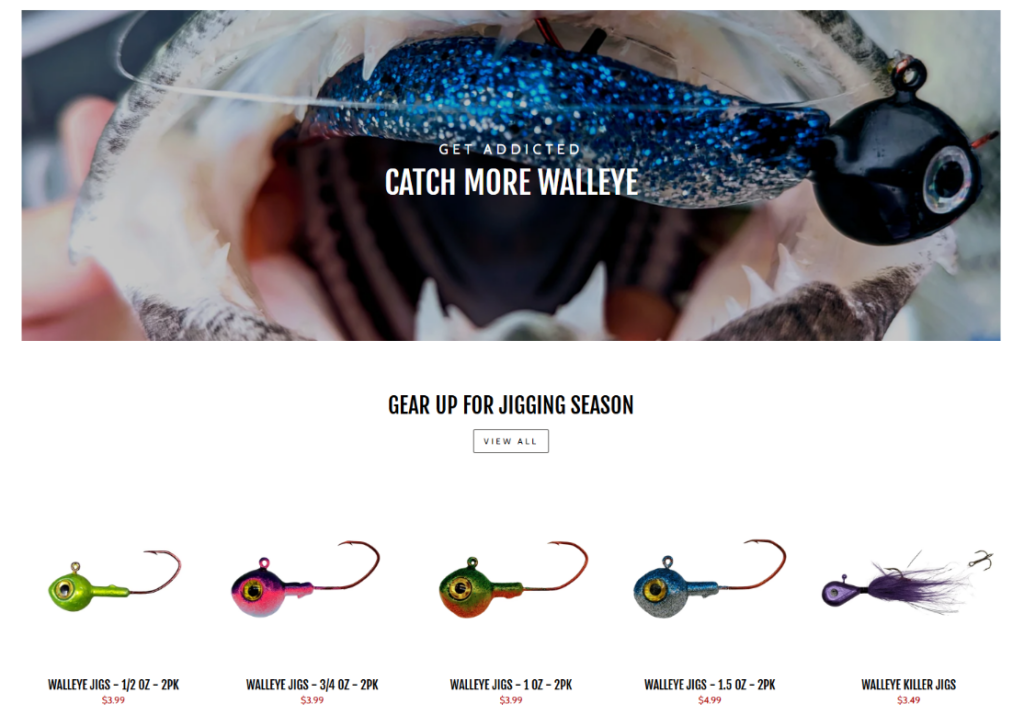
The walleye section uses a dramatic close-up of a lure in a fish’s mouth with the headline “Catch More Walleye.” This is a highly engaging choice because it puts the visitor inside the fishing action. The image feels intense, specific, and performance-driven.
Below the hero image, the site presents “Gear Up for Jigging Season” with a row of walleye jigs in different weights and styles, including 1/2 oz, 3/4 oz, 1 oz, 1.5 oz, and Walleye Killer Jigs.
Why the Section Focuses on Seasonality
“Jigging Season” gives the section a timely shopping reason. Seasonal framing works well in e-commerce because it creates relevance. Instead of saying “Here are some jigs,” the page says, “This is the gear you need for the moment you are preparing for.”
Why Product Color Becomes the Visual Hook
The jig row uses strong color variation against a white background. This makes the section visually appealing while also helping users compare different options quickly. Since these products are small, the spacing and contrast matter. The clean layout lets each jig stand alone and keeps the category easy to understand.
Customer Reviews and Field Testing: Making Trust Visible
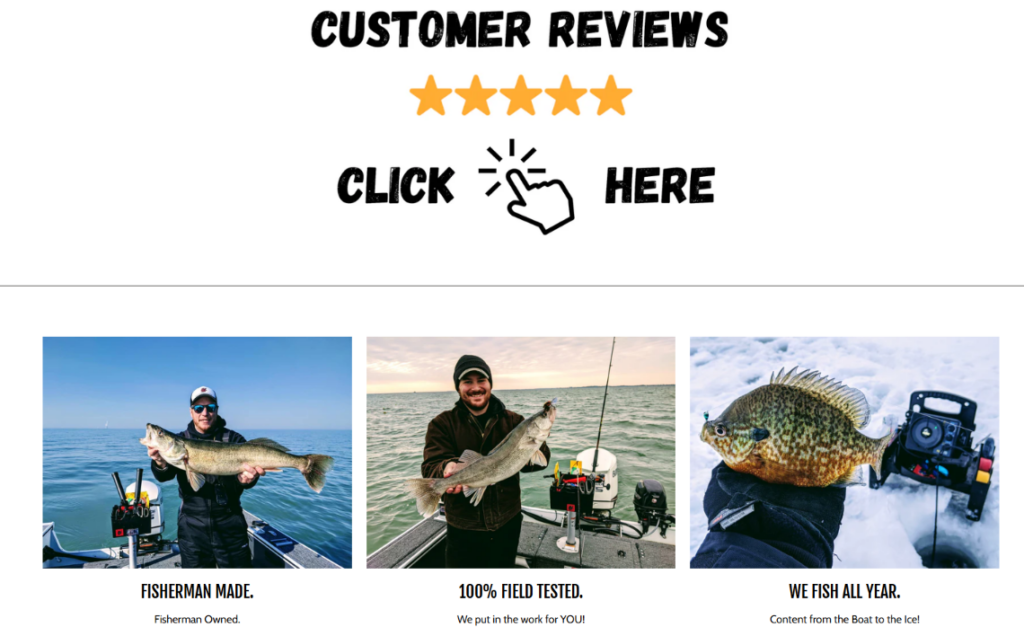
Why We Place Customer Reviews Before Brand Story
The customer review section uses a large “Customer Reviews” heading, five stars, and a bold “Click Here” action. This design makes social proof impossible to miss. Before visitors learn the full company story, they see that the brand wants them to explore customer feedback.
Why the Three Image Cards Work
The lower part of the section uses three lifestyle cards: “Fisherman Made,” “100% Field Tested,” and “We Fish All Year.” These are short, powerful trust statements. The website also repeats these ideas in its footer and brand areas, using supporting lines such as “Fisherman Owned,” “We put in the work for YOU,” and “Content from the Boat to the Ice.”
Why Real Photos Matter More Than Stock Visuals
For a fishing brand, authenticity matters. Stock images can make a site feel polished, but they may not convince serious anglers. Real fish, real boats, real ice fishing scenes, and real product use make the brand feel experienced. As designers, we use these images to communicate that the company understands the customer’s world.
Why the Call to Action Is Direct
The “Click Here” action looks simple, but it serves an important purpose. It tells users exactly what to do next. Review sections should not hide behind vague links. If customer feedback is a major trust asset, the path to that proof should be clear.
Brand Story Page: Turning a Store Into a Community
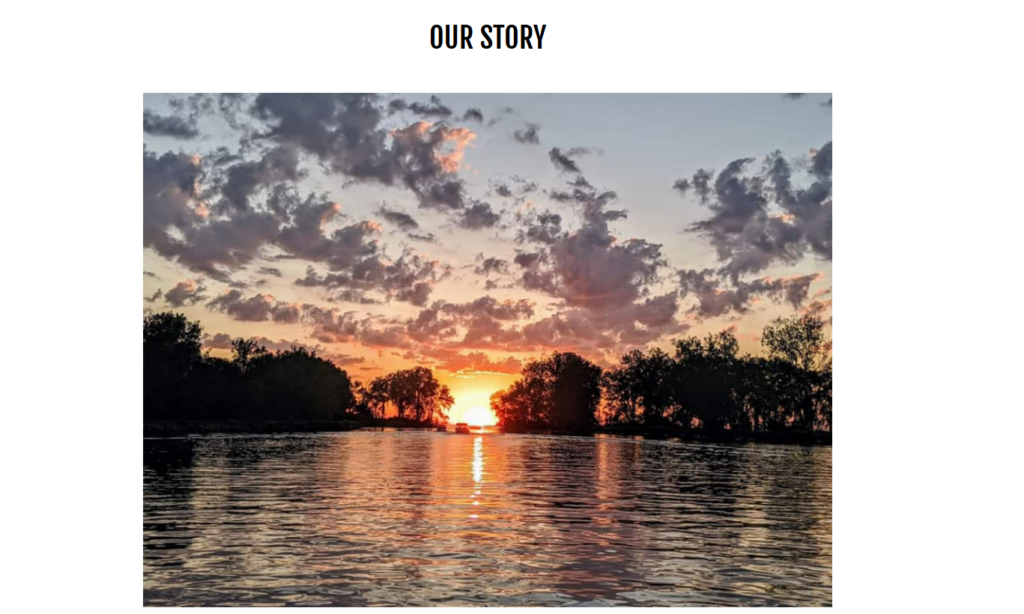
Why the Header Stays Functional
The brand story page begins with a centered logo, clear navigation, a free shipping bar, and a search field. This is important because the page is not isolated from shopping. Even when users read the story, they can still access product categories, search for gear, or move back into the store.
Why We Use a Centered Story Layout
The “Our Story” page uses a narrow centered content area. This makes the page feel more personal and readable. A full-width text block would feel exhausting, especially with a long story. By controlling the content width, the design invites users to slow down and focus.
The company describes itself as an Ohio-based brand that manufactures planer board storage solutions, walleye tackle, perch tackle, and more, with roots in Great Lakes fishing and nationwide distribution. It also explains that the brand grew from Captain Mike Schmitt’s Fishing Addiction and real-time fishing content shared with anglers.
Why the Story Focuses on Product Origin
The strongest part of the story is the way it connects a real fishing problem to a product solution. The page explains that the original seat post mount planer board caddy system was designed in 2018 after years of big-water trolling and the need for better planer board storage and organization.
This origin story matters because it proves the product did not come from a random catalog decision. It came from a practical frustration on the water. As designers, we want this type of story to stay visible because it gives the product line credibility.
Why the Narrative Shows Growth
The story also explains how customer demand helped push the planer board caddy system into the public fishing community and how Fishing Addiction Gear was officially born in June 2020. It then connects that growth to branded products, perch rigs, retailer expansion, and field-tested gear.
This type of timeline builds trust. It shows that the company did not simply launch a store and wait for sales. It listened to anglers, adapted products, and expanded based on real demand.
Why the Page Ends With Brand Proof
The story page ends with the message “Get Addicted. Get Fish.” and repeats the three trust cards: “Fisherman Made,” “100% Field Tested,” and “We Fish All Year.” This gives the page a clear emotional ending. It turns the story into a brand promise.
Footer Design: Organizing Trust, Support, and Retention
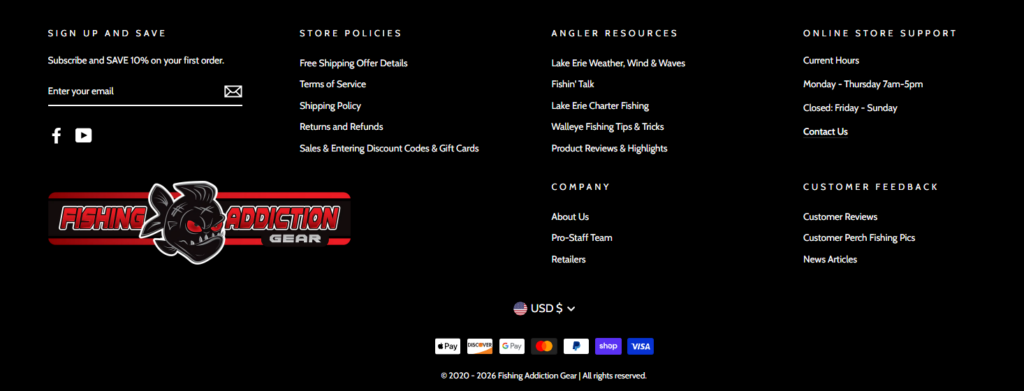
Why the Footer Uses a Dark Background
The footer creates a strong visual close. After a mostly white product-focused page, the black footer gives the site weight and finality. It also helps organize many links without making the page feel messy.
Why We Include Email Signup
The email signup area offers a discount for the first order. This is a practical conversion tool because not every visitor buys during the first session. A newsletter capture gives the brand another chance to bring shoppers back.
Why Footer Links Matter
The footer includes store policies, angler resources, online store support, company links, customer feedback, social media, currency options, and payment icons. From a design perspective, this creates reassurance. Customers can find shipping details, return information, fishing resources, reviews, and contact options without searching through the whole site.
บทสรุป
Fishing Addiction Gear’s Shopify website works because it understands how anglers shop. It does not separate products from the fishing lifestyle. Instead, it builds a smooth journey through real boat scenes, species-focused hero sections, clean product grids, sale urgency, review proof, field-tested messaging, and a founder-driven brand story. As designers, we would describe this as a strong example of conversion-focused outdoor e-commerce design: every section gives visitors a reason to trust, browse, compare, and take action.
The site also shows how a Shopify store can feel personal instead of generic. It uses authentic fishing photography, direct copywriting, clear product organization, and simple calls to action to create a storefront that feels both practical and community-driven. For brands that want to build this kind of independent e-commerce presence, AIRSANG can help turn product value, visual storytelling, and conversion strategy into a professional website experience.

ออกแบบและสร้างเว็บไซต์ WordPress หรือเว็บไซต์องค์กรพร้อมระบบอีคอมเมิร์ซครบวงจรสำหรับคุณ.
ช่วงราคา: $200.00 ถึง $2,500.00custom-requirements-or-special-quotations
ราคาเดิมคือ: $2.00.$1.00ราคาปัจจุบันคือ: $1.00. ภาพหลักสำหรับการออกแบบอุปกรณ์กายภาพบำบัดที่บ้านของ Amazon (อธิบายรายละเอียด)
บทนำ: การสร้างภาพลักษณ์ที่น่าเชื่อถือสำหรับอุปกรณ์บำบัดที่บ้านบน Amazon เมื่อออกแบบภาพหลักสำหรับอุปกรณ์บำบัดที่บ้านบน Amazon สิ่งสำคัญอันดับแรกของเราคือ...
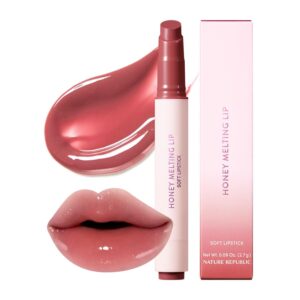
ภาพหลักสำหรับการแปลงลิปสติกเป็นสินค้าสำหรับ Amazon
บทนำ: การออกแบบภาพหลักลิปสติกที่ขายได้บน Amazon เมื่อเราออกแบบภาพหลักสำหรับลิปสติกบน Amazon ความรับผิดชอบของเราไม่ได้จำกัดอยู่แค่...

แฮกเกอร์ขโมยอีเมลผู้ดูแลระบบ WordPress ได้อย่างไร (และวิธีป้องกัน)
มาเริ่มกันด้วยความจริงที่ไม่น่าสบายใจ: อีเมลแอดมิน WordPress ของคุณอาจเปิดเผยต่อสาธารณะมากกว่าที่คุณคิด และแฮกเกอร์? พวกเขาชอบมาก สำหรับพวกเขา...
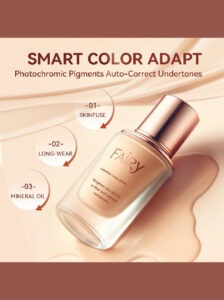
อะไรทำให้รองพื้นชนิดเหลวของ Amazon (ภาพหลัก) ขายดี?
บทนำ การออกแบบภาพหลักสำหรับรองพื้นชนิดเหลวบน Amazon ไม่ใช่แค่การทำให้ผลิตภัณฑ์ดูสวยงามเท่านั้น บน Amazon ภาพหลักและ...
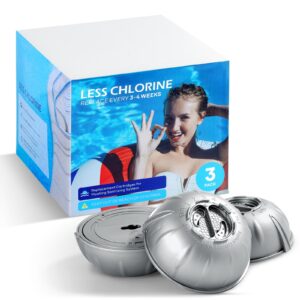
การออกแบบภาพหลัก Amazon ที่มีประสิทธิภาพสำหรับตลับกรอง
บทนำ การออกแบบภาพหลักสำหรับ Amazon ไม่ใช่แค่การทำให้สินค้าดูน่าดึงดูดเท่านั้น แต่ยังเกี่ยวกับความชัดเจน ความน่าเชื่อถือ และความเข้าใจได้ในทันที โดยเฉพาะอย่างยิ่งสำหรับ...
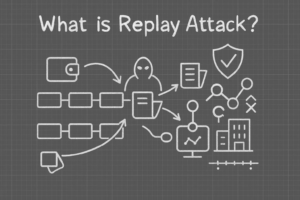
การโจมตีแบบ Replay Attack บน WordPress: ภัยคุกคามจริงหรือแค่เรื่องที่ถูกพูดเกินจริง?
ก่อนอื่นขอชี้แจงให้ชัดเจนก่อน การโจมตีแบบ Replay Attack นั้นดูไม่น่ากลัว มันไม่ได้ทำลายรหัสผ่าน มันไม่ได้แทรกโค้ดที่เป็นอันตรายพร้อมข้อความแฮ็กเกอร์สีเขียวกระจัดกระจายไปทั่ว มันแนบเนียนกว่า...
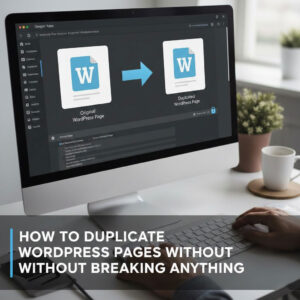
วิธีคัดลอกหน้าเว็บ WordPress โดยไม่ทำให้ระบบเสียหาย
ยอมรับกันเถอะ บางครั้งคุณอาจไม่อยากสร้างหน้าเว็บใหม่ คุณแค่อยากได้หน้าเว็บเดิม...แต่แตกต่างไปเล็กน้อย รูปแบบเหมือนเดิม บล็อกเหมือนเดิม การตั้งค่าเหมือนเดิม เพราะ...

เปรียบเทียบธีม WordPress สำหรับสัตว์เลี้ยง 5 แบบ
บทนำ การเลือกธีม WordPress ที่เหมาะสมสำหรับธุรกิจเกี่ยวกับสัตว์เลี้ยงนั้นไม่ใช่แค่เรื่องของการออกแบบเท่านั้น แต่ยังส่งผลโดยตรงต่อการใช้งาน ความสามารถในการขยายขนาด และการเติบโตของธุรกิจในระยะยาว การดูแลสัตว์เลี้ยงและ...
เปรียบเทียบธีมอีคอมเมิร์ซชุดว่ายน้ำ 5 แบบ
บทนำ การเลือกธีมที่เหมาะสมสำหรับร้านค้าอิสระที่จำหน่ายชุดว่ายน้ำหรือชุดชั้นในนั้นไม่ใช่แค่การตัดสินใจด้านภาพลักษณ์เท่านั้น แต่ยังส่งผลโดยตรงต่ออัตราการเปลี่ยนลูกค้าให้เป็นผู้ซื้อ ความสามารถในการขยายธุรกิจ และความยั่งยืนในระยะยาว...
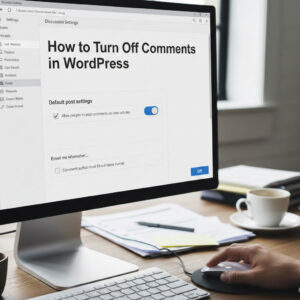
วิธีปิดการแสดงความคิดเห็นใน WordPress (โดยไม่ต้องเสียสติ)
มาพูดถึงระบบแสดงความคิดเห็นของ WordPress กันดีกว่า ในทางทฤษฎีแล้ว ความคิดเห็นนั้นยอดเยี่ยมมาก มันช่วยกระตุ้นการสนทนา สร้างชุมชน และทำให้เว็บไซต์ของคุณดูมีชีวิตชีวา แต่ในความเป็นจริงแล้ว มันมักจะเป็นเหมือนแม่เหล็กดึงดูด...

การสร้างเว็บไซต์ WordPress ที่ปรับขนาดได้สำหรับแบรนด์ที่ขับเคลื่อนด้วยวิทยาศาสตร์: โครงการ AminoUSA
บทนำ ในยุคดิจิทัลปัจจุบัน เว็บไซต์เป็นมากกว่าแค่สถานที่สำหรับแสดงรายการสินค้า สำหรับแบรนด์ที่ขับเคลื่อนด้วยวิทยาศาสตร์ซึ่งดำเนินงานในอุตสาหกรรมที่มีการควบคุมหรือเน้นการวิจัย...

สร้างร้านค้า Shopify ที่ปรับขนาดได้สำหรับแบรนด์ใบมีดระดับโลก: โครงการ CoolKatana
บทนำ ในธุรกิจอีคอมเมิร์ซข้ามพรมแดน เว็บไซต์ Shopify เป็นมากกว่าแค่หน้าร้าน สำหรับแบรนด์ที่ดำเนินธุรกิจในกลุ่มเฉพาะหรือกลุ่มที่ขับเคลื่อนด้วยวัฒนธรรม เว็บไซต์ต้องทำมากกว่านั้น...
การออกแบบร้านค้า Shopify ที่มีอัตราการแปลงสูงสำหรับขายการ์ดโปเกมอน
บทนำ ในโลกของอีคอมเมิร์ซสินค้าสะสม โดยเฉพาะอย่างยิ่งในตลาดเกมการ์ดโปเกมอน (TCG) เว็บไซต์จะต้องทำมากกว่าแค่แสดงรายการสินค้า...
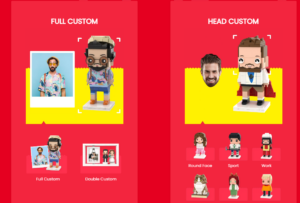
ดีไซน์ Shopify ที่เพิ่มยอดขายสำหรับแบรนด์อิฐสั่งทำพิเศษ
บทนำ ในสภาพแวดล้อมการแข่งขันอีคอมเมิร์ซในปัจจุบัน โดยเฉพาะอย่างยิ่งในตลาดของขวัญส่วนบุคคลและของสะสม เว็บไซต์ Shopify ต้องทำมากกว่าแค่แสดงสินค้า...
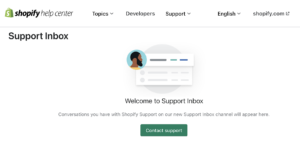
วิธีติดต่อฝ่ายสนับสนุนของ Shopify: คู่มือที่ง่ายและไม่ยุ่งยาก
การบริหารร้านค้า Shopify ควรเป็นเรื่องที่น่าตื่นเต้น ไม่ใช่เรื่องที่ทำให้สับสน เมื่อมีคำถามหรือปัญหาเกิดขึ้น Shopify มีช่องทางการสนับสนุนหลายช่องทาง ขึ้นอยู่กับสถานการณ์...
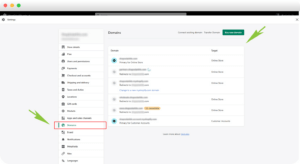
วิธีปิดใช้งานร้านค้า Shopify: คู่มือที่ชัดเจนและใช้งานได้จริง
การปิดใช้งานร้านค้า Shopify นั้นไม่ซับซ้อน แต่ก็มีผลกระทบหลายอย่างที่ผู้ขายหลายรายมองข้ามไป คู่มือนี้จะอธิบายขั้นตอนอย่างละเอียดและเข้าใจง่าย...
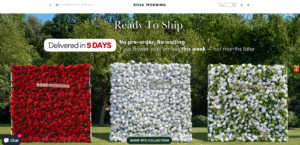
กรณีศึกษาการออกแบบเว็บไซต์ Shopify สำหรับแบรนด์ดอกไม้ระดับพรีเมียม
บทนำ ในสภาพแวดล้อมการแข่งขันอีคอมเมิร์ซในปัจจุบัน เว็บไซต์ Shopify ต้องทำมากกว่าแค่แสดงสินค้า มันต้องสื่อสารคุณค่าของแบรนด์ได้ทันที และแนะนำผู้ใช้...
กรณีศึกษาการออกแบบร้านค้า Shopify: ร้านค้าเกมย้อนยุค
บทนำ ในสภาพแวดล้อมอีคอมเมิร์ซที่มีการแข่งขันสูง ความชัดเจนทางด้านภาพและการเชื่อมโยงทางอารมณ์มักเป็นตัวกำหนดว่าผู้เยี่ยมชมจะกลายเป็นลูกค้าหรือไม่ โดยเฉพาะอย่างยิ่งใน...