Project overview
The product picture of the TF-Y17 Pro spherical mecha Bluetooth speaker needs to explain the detachable structure and separate the desktop atmosphere and functionality. This case focuses on the existing 7 Russian works of Ozon, dismantling the arrangements for product identification, theme description and condition verification. For brands and sellers who are preparing to produce pictures of similar products, the focus is not only on the style of the pictures, but also on understanding how different pictures distribute information so that product-related questions have corresponding reading positions.
| Services | Industry | Platform |
| Ozon product primary and secondary product images design | Digital 3C | Ozon |
| Project requirements | target market | design style |
| Explain the detachable structure and separate the desktop atmosphere from the functional check | Russia | Mecha science fiction, future technology, e-sports trends |
| project budget | Delivery content | Delivery time |
| ¥700 | 7 case display pictures | 8 working days |
design challenge
The spherical speaker and the three-legged base form a strong appearance theme, but whether the modules can be disassembled, how to assemble and how to connect cannot be explained solely by photos of the complete machine. Design needs to gradually shift from shape identification to structure and usage conditions.
Design strategy: Let the entire group of works form a clear information relationship
01 Allocate information tasks first, and then arrange the key points of the screen
The work is unfolded according to “Main vision of the model → Mecha details → Module splitting → Dual-machine combination → Lighting effects → Connection and battery life → Scene matrix”. Figure 1 establishes the identification first, and then switches the composition and description position according to the actual theme. This division of information allows different questions to have their own place, reducing the need to pile up all the text in the first image, and preventing subsequent images from simply repeating the same product photo.
02 Use a consistent visual language to connect different reading tasks
The yellow and black body, silver-gray mechanical frame and blue-purple lighting effects run through the series; the light-colored detail page is responsible for structural reading, and the dark-colored desktop page is responsible for environmental reference. The unified style serves the entire group identification, and composition changes serve different contents; the main title, auxiliary labels and product proportions in the picture jointly determine the reading order.
03 Reduce the explanation to specific parts, actions or choices
The focus of this body of work is to explain the detachable structure and separate the desktop atmosphere from the functional check. When dismantling, look at the correspondence between the whole machine and parts, themes and conditions: when there is structural information, look at the positional relationship, when there is scene information, look at the objects used, and when there are numbers, look at the categories and limiting conditions. Letting each picture answer a specific question has more explanatory value than repeatedly emphasizing the excellence of the product.
Dismantling the work: explaining the screen arrangement and information responsibilities of each picture
Figure 1|Main vision of model: first establish shape recognition

The yellow spherical speaker and three-legged base occupy the center. The TF-Y17 Pro model stands out alone, and the mechanical background echoes the product outline.
The main product image allows users to understand the complete form and model first, and the theme text remains auxiliary; the brand authorization relationship is not judged based on the work picture.
Figure 2|Mecha details: use vertical close-ups to supplement the appearance
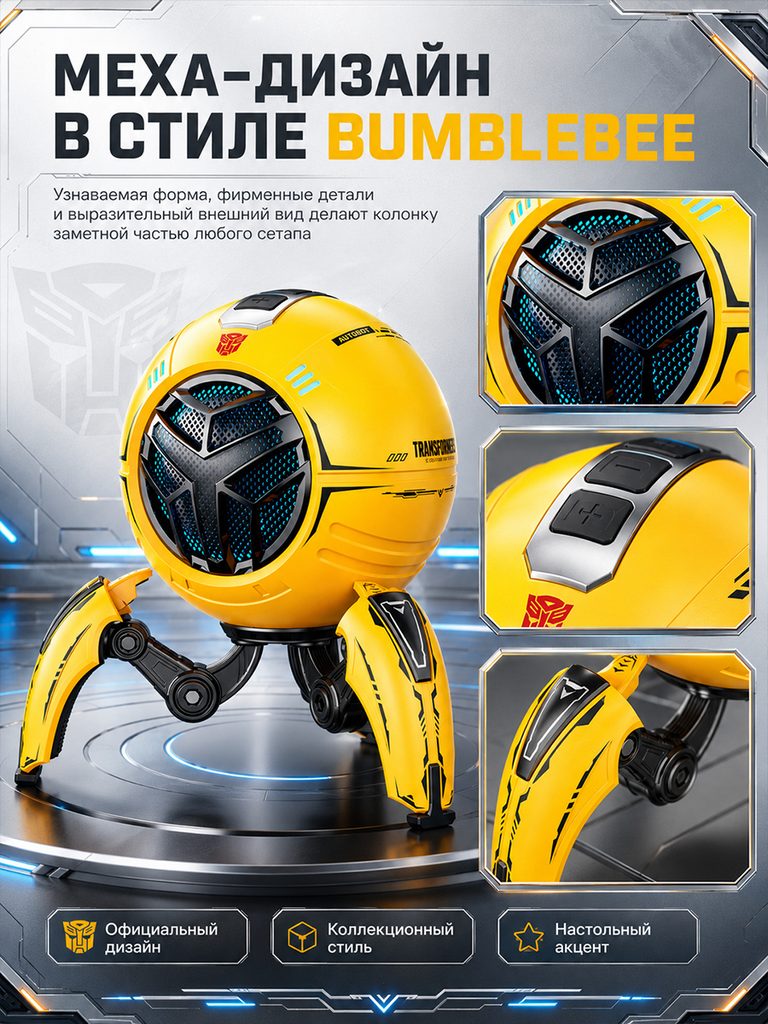
Next to the whole machine are arranged three detail boxes at the connection between the front panel, buttons and base, and the icons below organize the appearance theme.
Different close-ups each correspond to a part, which is suitable for answering how to design the surface and operating area, and avoid simply repeating the whole machine diagram from different angles.
Figure 3|Module splitting: directly draw the detachable relationship
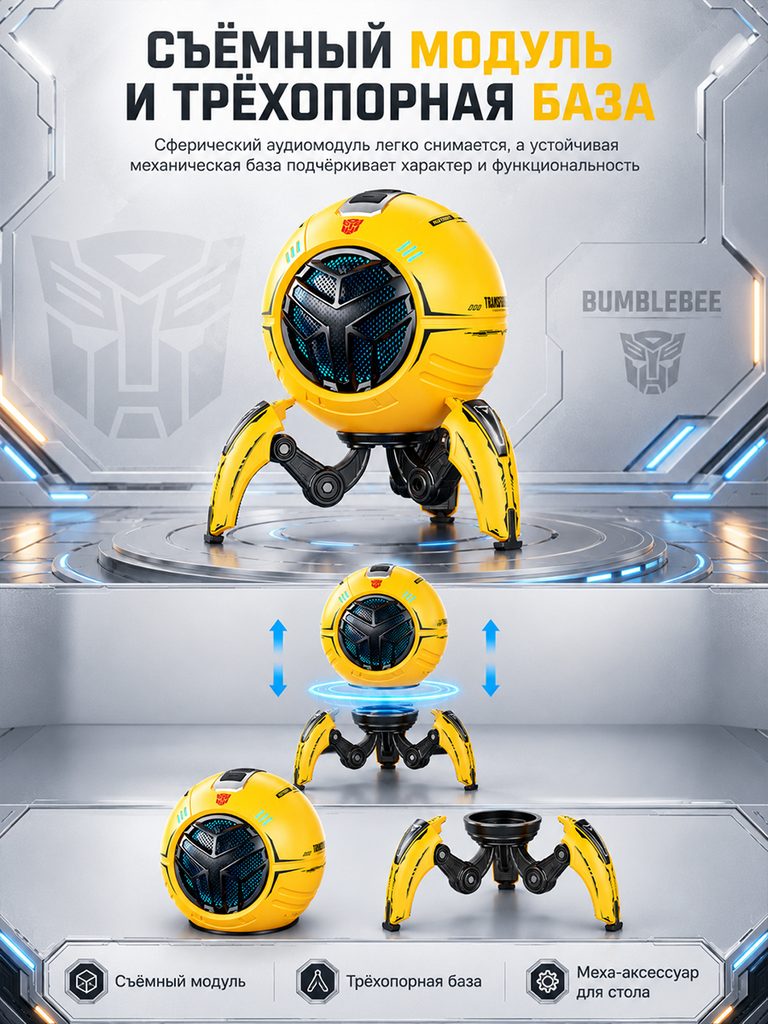
The upper half shows the complete fuselage, while the lower half uses separate products, up and down arrows and empty spaces on the base to illustrate the combination relationship.
The arrow carries the action description, and the separated state carries the structure description. The user can compare and judge the relationship between the spherical module and the base.
Figure 4|Two-machine combination: explaining TWS with desktop layout
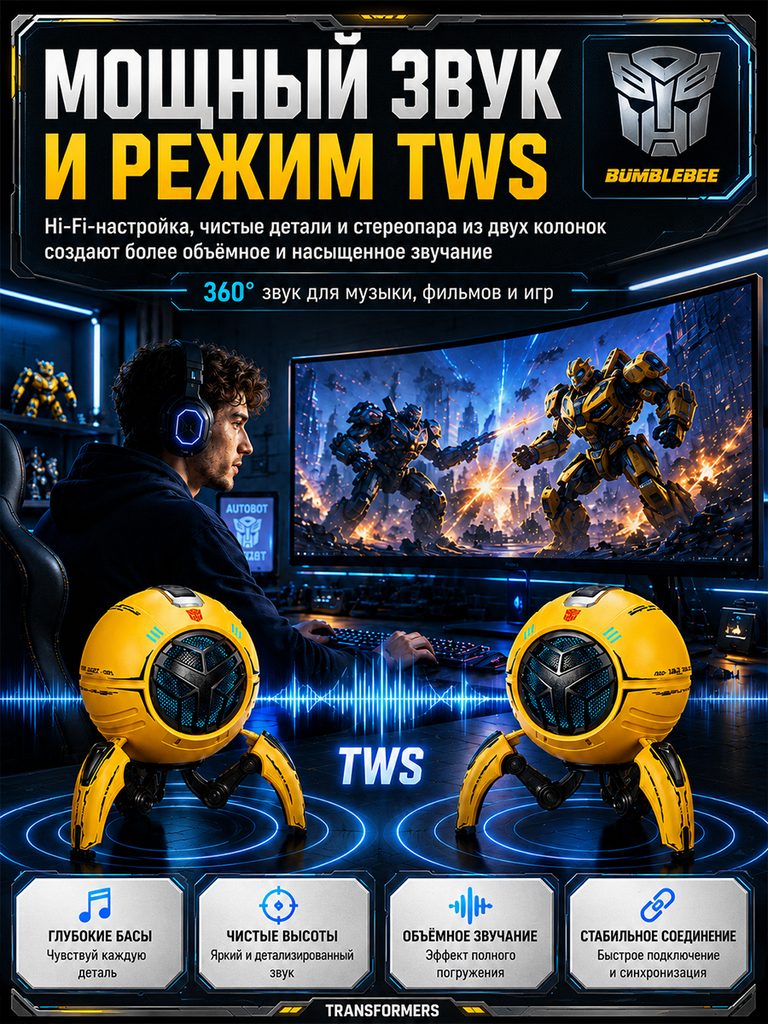
The two speakers are arranged below the gaming monitor, with sound waves connected in the middle and icons at the bottom to supplement the sound and connection themes.
The number and placement of dual devices make the combination concept concrete. The sound effects are used to present the theme and do not replace actual acoustic measurements.
Figure 5|Lighting effect theme: using color samples to supplement environmental expression

The product is located on a blue-purple desktop. The six colored dots at the bottom correspond to the RGB colors, and the text at the top distinguishes the lighting mode.
Environments illustrate the visual mood, color samples provide comparisons, and lighting effects are no longer just decoration scattered throughout the set.
Figure 6|Connection life: let the condition information form an independent page
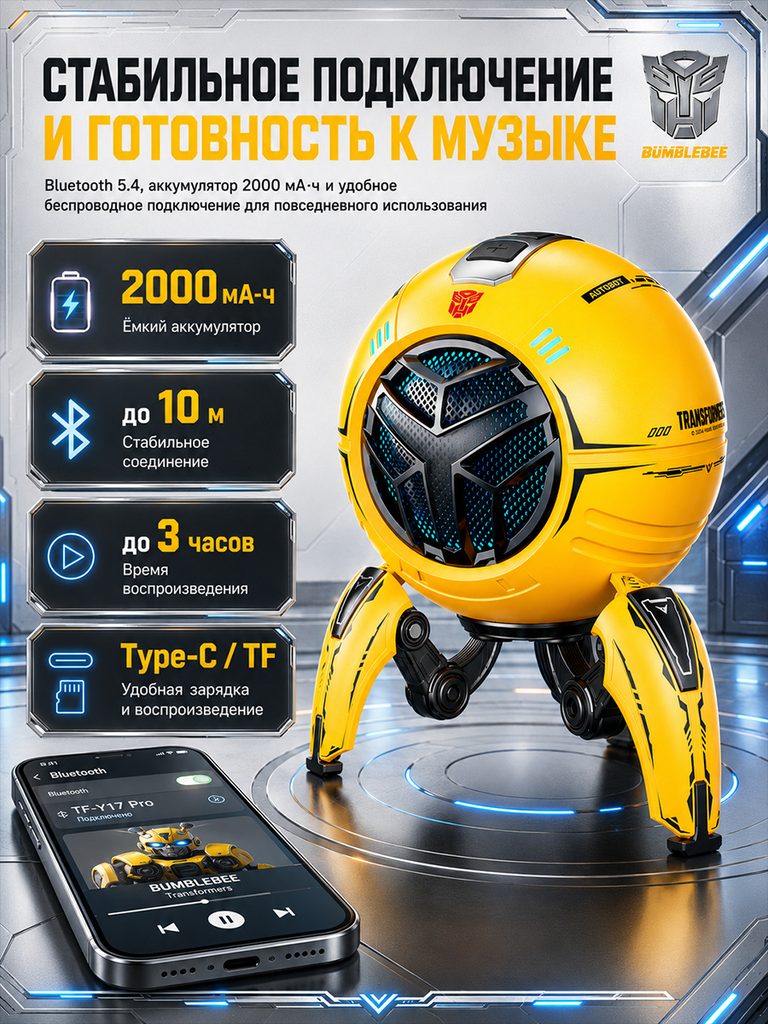
The card on the left lists 2000mAh, distance, playback time and Type-C/TF theme. The right side shows the complete machine, and the mobile phone supplements the wireless connection reference.
This page shifts from emotional atmosphere to conditional verification, with categories, values, and equipment relationships clearly presented.
Figure 7|Scene matrix: displaying desktop, gifts and home context
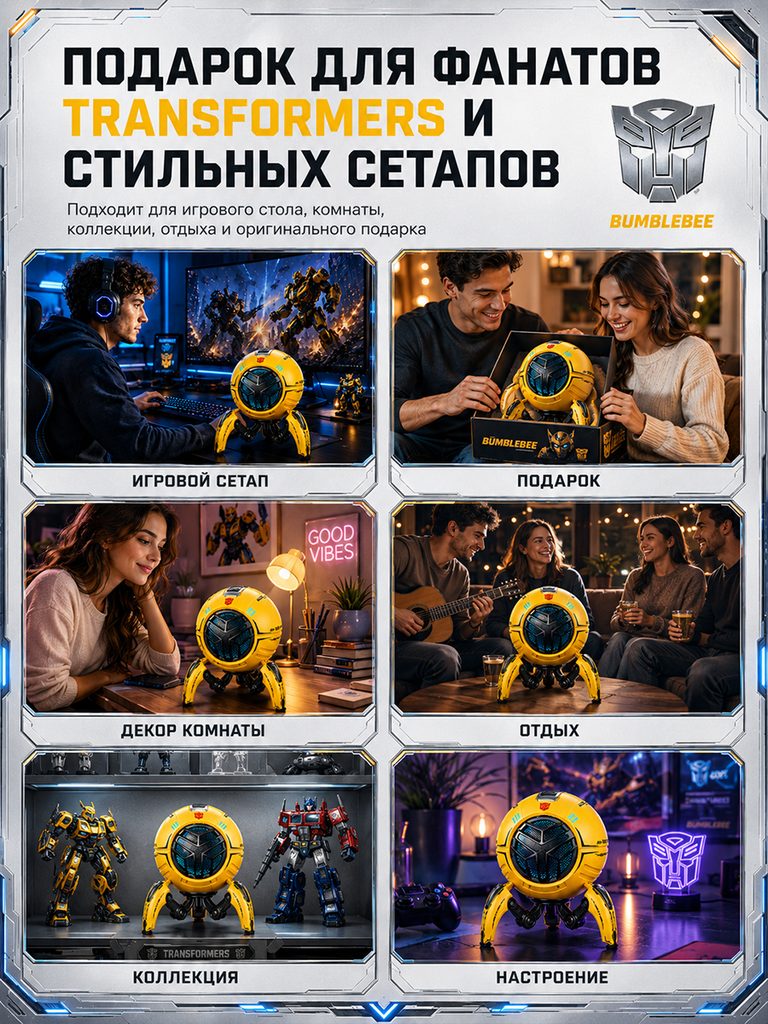
The six panels are arranged respectively for game desktop, gift giving, indoor display and leisure scenes. The yellow main body remains consistent in different backgrounds.
The multi-grid layout allows different needs to have their own entrances, and the last page summarizes the usage and display directions without assuming that the user has approved the product.
Delivery summary and design value
The entire team delivers with a clear division of labor
The 7 works in this case respectively cover “model main vision → mecha details → module splitting → dual-machine combination → lighting effects → connection life → scene matrix”. The number of images depends on the actual content, and each image has its own theme while maintaining an overall identity through color, text hierarchy, or composition.
Procurement issues can be more easily mapped to specific information
Focusing on the TF-Y17 Pro spherical mecha Bluetooth speaker, the work will “explain the detachable structure and separate the desktop atmosphere and functional verification” into different images. When brands plan similar designs, they can first list the content that consumers need to identify, understand and check, and then determine the tasks and order of primary and secondary product images.
Value is based on interpretive methods and authentic works
The whole machine, part, scene and information cards provide different reading entrances, helping to organize product descriptions more clearly. The value of this case is the visible design expression and information division of labor; changes in click-through rates, sales, and conversion rates require additional statistical or test data support.
The parameters, materials and functions in this article are used to explain the content of the accompanying pictures. The specific specifications, applicable conditions and accompanying items are subject to the product information of the corresponding model.
Plan clearer product images for your Ozon products
If you also need to plan primary and secondary product images for your OzonTF-Y17 Pro spherical mecha Bluetooth speaker, you can submit product links, existing pictures or product information to AIRSANG, explain the target market and required picture group range, and communicate the information organization and visual direction suitable for the product.
Consultation email: [email protected] · Telephone: 177-5952-2770