











การแนะนำ
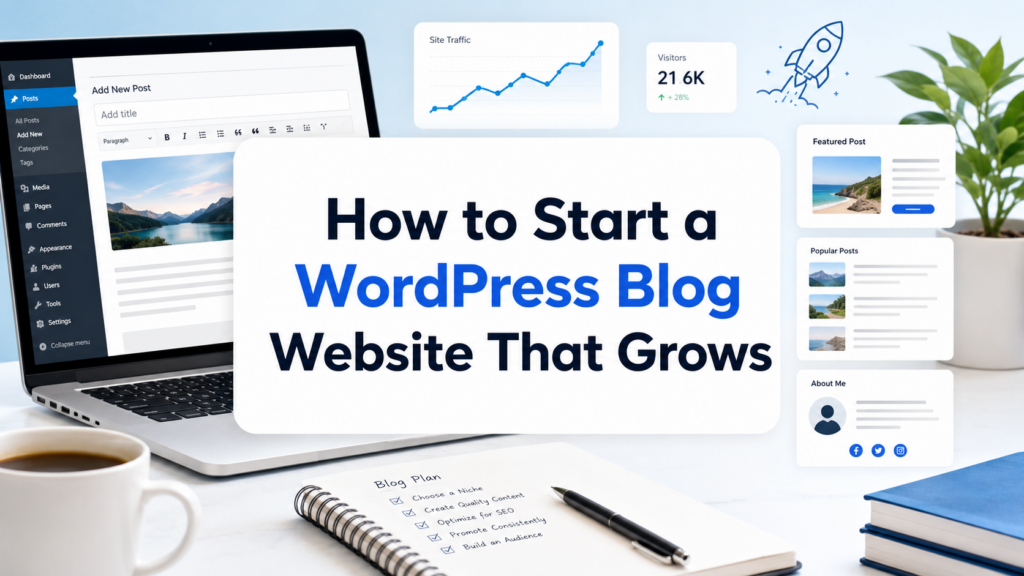
Starting a blog may sound technical at first, but the basic idea is simple: you need a topic, a web address, a place to host your website, and a publishing system that lets you write and manage content. WordPress is one of the most popular choices because it gives beginners a friendly way to create posts, design pages, upload images, organize categories, and grow a blog over time.
If you are searching for how to start a วordpress blog website, this guide explains the process in a practical, beginner-friendly way. You do not need to be a developer, designer, or marketing expert to begin. What you do need is a clear purpose, a few setup steps, and a simple plan for publishing helpful content consistently.
A WordPress blog website can be used for many goals. Some people start one to share personal stories. Others use it to teach skills, review products, build a portfolio, promote a service, or create a long-term online business. The advantage of WordPress is that it can start small and grow with you. You can publish your first article with a basic theme today, then later add email forms, SEO tools, digital products, online courses, or even ecommerce features.
This guide walks through the full process: choosing your blog topic, picking a domain name, getting hosting, installing WordPress, selecting a theme, writing your first post, customizing the site, and promoting your content.
1. Understand What a WordPress Blog Website Is
A WordPress blog website is a site built with WordPress that focuses on regularly published articles, guides, updates, stories, or resources. The blog section is usually organized by posts, categories, tags, authors, and publishing dates.
There are two common WordPress options beginners often confuse: WordPress.com and WordPress.org. WordPress.com is a hosted service where many technical details are handled for you, but some features may be limited depending on your plan. WordPress.org is the self-hosted version. With this option, you download or install WordPress through your hosting provider and get more control over design, plugins, monetization, SEO, and long-term website growth.
For most serious bloggers, creators, and business owners, self-hosted WordPress is the better choice because it gives more freedom. You can choose your hosting company, install plugins, customize your theme, add tracking tools, use ads, create affiliate content, collect email subscribers, and build a brand that is fully yours.
2. Choose a Blog Topic Before Buying Anything
Before you register a domain or install WordPress, decide what your blog is about. This step matters because your topic affects your domain name, design style, content plan, audience, and monetization options.
A strong blog topic should sit between your interests, your knowledge, and what readers want. If you choose a topic only because it seems profitable, you may lose motivation quickly. If you choose a topic only because you enjoy it but no one searches for it, growth may be slow. The best blog topics usually combine both: something you care about and something useful to a specific audience.
For example, “food” is too broad. “Easy meal prep for busy parents” is clearer. “Travel” is broad. “Budget travel guides for first-time solo travelers” is more focused. “Fitness” is huge. “Beginner strength training for women over 40” gives the blog a stronger identity.
A clear topic helps readers understand why they should follow your site. It also helps search engines understand your content focus.
3. Pick a Simple and Memorable Domain Name
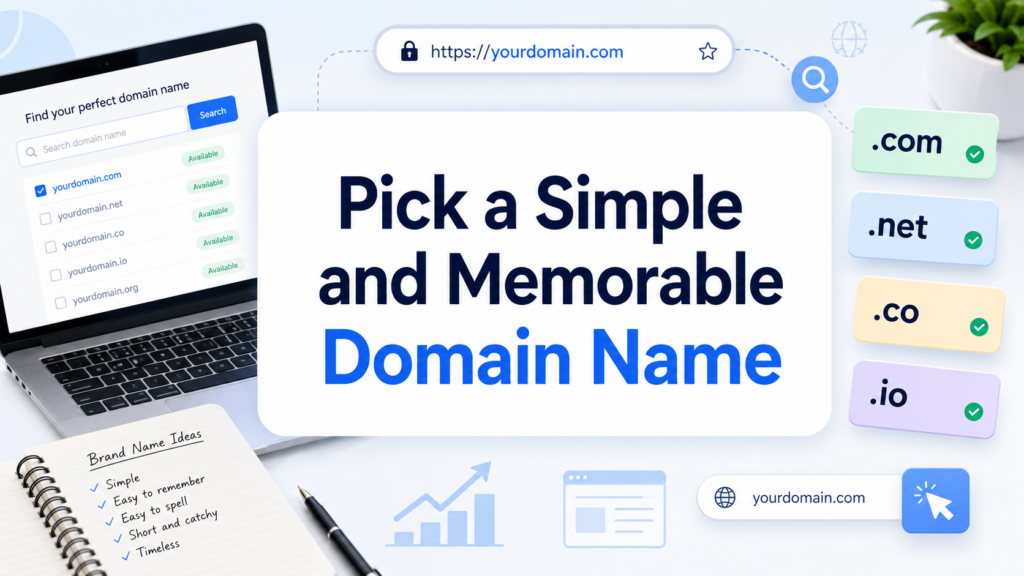
Your domain name is your website address. It is one of the first branding decisions you will make, so keep it simple, easy to spell, and easy to remember.
A good domain name should be short, readable, and connected to your blog topic or brand identity. Avoid long strings of words, confusing abbreviations, hyphens, and numbers unless they are part of your brand. If possible, choose a .com domain because it is familiar to most users, especially in the U.S. market.
Before you decide, say the domain name out loud. If someone heard it once, could they type it correctly? Would it still make sense if your blog grows beyond your first topic idea? A slightly broader brand name can be useful if you plan to expand later.
For example, a blog about beginner gardening could use a name that leaves room for topics like tools, soil, vegetables, flowers, and backyard design. A name that is too narrow may feel limiting after a few months.
4. Choose Reliable Web Hosting
Hosting is the service that stores your website files and makes your blog accessible online. Without hosting, your domain is only an address with nowhere to go.
For a beginner WordPress blog, shared hosting is usually enough. It is affordable, easy to manage, and often includes one-click WordPress installation. As your blog grows and traffic increases, you can upgrade to better hosting later.
When comparing hosting providers, look for a few essentials: WordPress support, free SSL certificate, easy installation, automatic backups, customer support, good uptime, and a beginner-friendly dashboard. SSL is especially important because it allows your site to load with https, which helps protect user data and makes your website look more trustworthy.
Many hosting companies also include a free domain for the first year. That can make the first setup easier, but always check renewal prices so you understand the long-term cost.
5. Install WordPress
After you buy hosting and connect your domain, the next step is installing WordPress. Most beginner-friendly hosts provide a simple WordPress installer inside the hosting dashboard. You usually select your domain, create a site title, set an admin username and password, and click install.
Once installation is complete, you can log into the WordPress dashboard. The login page often looks like this:
yourdomain.com/wp-admin
The dashboard is the control center of your blog. This is where you create posts, upload images, install themes, manage plugins, edit pages, review comments, and adjust settings.
At first, the dashboard may feel unfamiliar, but you only need to understand a few main areas:
Posts are for blog articles. Pages are for static content like About, Contact, and Privacy Policy. Media stores images and files. Appearance controls your theme and design. Plugins add extra features. Settings control basic site behavior.
6. Set Up Basic WordPress Settings
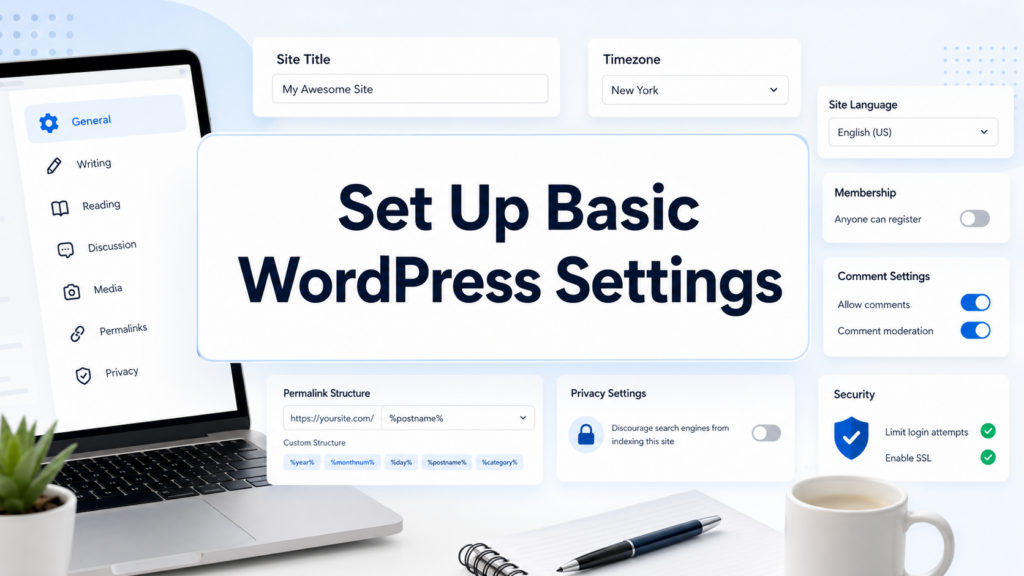
Before you design the blog, adjust a few important settings.
Start with your site title and tagline. These should clearly explain what your blog is about. Then check your permalink settings. Permalinks control how your article URLs look. A clean structure like yourdomain.com/sample-post/ is better than a URL filled with random numbers.
Next, set your timezone, date format, and reading settings. If your homepage will show your latest blog posts, you can leave the default setting. If you want a custom homepage later, you can create one and set it as your homepage.
You should also create essential pages early. At minimum, most blogs need an About page, a Contact page, and a Privacy Policy page. If you plan to use affiliate links, ads, sponsored content, or collect emails, you may also need disclosure pages depending on your location and business model.
7. Choose a WordPress Theme
A WordPress theme controls the look and layout of your blog. It affects typography, colors, spacing, headers, footers, blog post layouts, sidebar options, and mobile responsiveness.
For your first blog, choose a clean, lightweight, mobile-friendly theme. Do not pick a theme only because the demo looks beautiful. Look for readability, speed, simple customization, and compatibility with the plugins you may need.
A blog should be easy to read. That means clear fonts, strong contrast, comfortable spacing, and a layout that does not distract from the content. Fancy animations and complicated layouts may look impressive, but they can slow the site down or make articles harder to consume.
You can install a theme from your WordPress dashboard by going to Appearance, then Themes, then Add New. Browse the available options, preview the theme, install it, and activate it. You can always change your theme later, though it is best to avoid switching too often once your design is established.
8. Customize the Blog Design
After activating a theme, customize the design so the blog feels like your own. Most themes allow you to adjust the logo, colors, fonts, homepage layout, menus, and footer.
Start with the basics. Upload a logo if you have one. Choose two or three brand colors. Set readable font sizes. Create a main navigation menu with links to your most important pages and categories.
Keep the design simple at the beginning. Many new bloggers spend too much time adjusting small visual details before publishing any content. A clean blog with helpful articles is more valuable than a perfect-looking site with no posts.
Make sure your blog works well on mobile. Many readers will visit from phones, so your menu, images, buttons, and article text should be easy to use on smaller screens.
9. Install Essential Plugins
Plugins add features to WordPress without requiring custom coding. However, too many plugins can slow down your website or create conflicts, so install only what you need.
A beginner blog usually needs plugins for SEO, security, backups, caching, contact forms, and spam protection. An SEO plugin can help you write better titles, descriptions, and search-friendly content. A security plugin can reduce common risks. A backup plugin helps protect your work if something goes wrong. A caching plugin can improve loading speed. A form plugin lets visitors contact you.
Always install plugins from trusted developers, check reviews, and keep them updated. Delete plugins you are not using. A lighter WordPress site is often faster and easier to maintain.
10. Write Your First Blog Post
Now comes the most important part: writing. To start your first post, go to Posts, then Add New.
A strong first blog post does not need to be perfect. It should be clear, useful, and relevant to your audience. Choose a topic that solves a beginner problem or answers a common question in your niche.
Start with a headline that tells readers exactly what they will learn. Then write an introduction that explains the problem. Use H2 and H3 headings to organize the article. Add short paragraphs, examples, images, and practical tips.
Before publishing, check your post title, URL slug, category, featured image, meta description, and internal links if you have other related pages. Preview the post on desktop and mobile. When it looks ready, click Publish.
Your first post is a milestone, not the finish line. Blogging grows through consistent publishing.
11. Create a Simple Content Plan
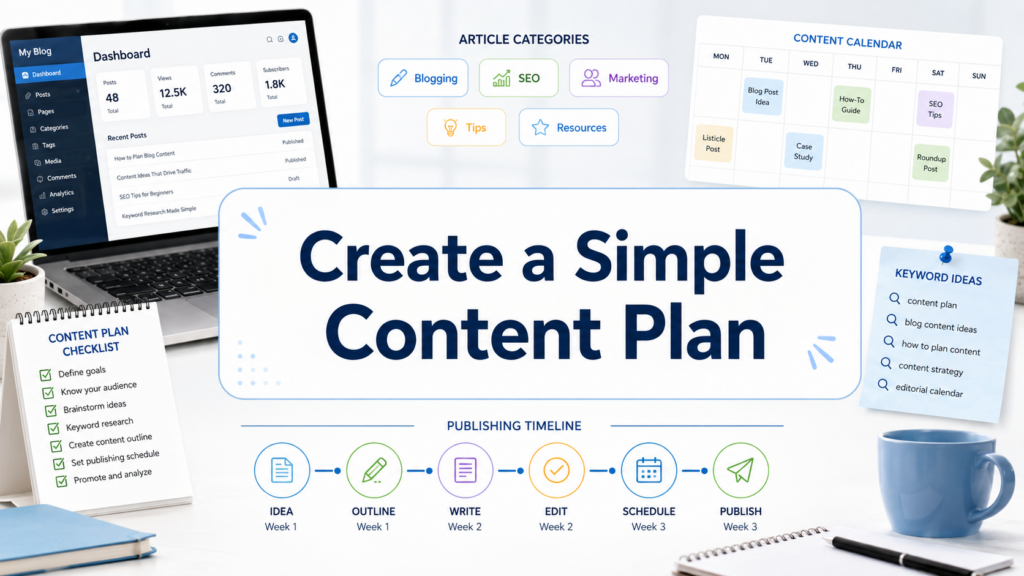
A blog becomes stronger when it has a clear content plan. Instead of writing random posts, create a list of topics your target readers care about.
You can divide your content into several categories. For example, a personal finance blog might include budgeting, saving, debt, credit cards, investing basics, and side income. A parenting blog might include baby care, school tips, family routines, product guides, and home organization.
Start with beginner-friendly topics because they often attract new readers. Write guides that answer real questions. Use simple language. Explain terms clearly. Add examples. A good blog post should make the reader feel less confused than when they arrived.
Consistency matters more than speed. Publishing one strong article every week is better than posting daily for two weeks and then disappearing for months.
12. Learn Basic SEO
SEO, or search engine optimization, helps people find your blog through Google and other search engines. You do not need advanced SEO knowledge to start, but you should understand the basics.
Use keywords naturally in your title, introduction, headings, and body text. For this article, the main keyword is how to start a wordpress blog website. The phrase should appear in a natural way, not be forced into every paragraph.
Write helpful content that matches search intent. If someone searches for a beginner guide, they probably want step-by-step instructions, not a sales pitch. Use descriptive headings, optimize image alt text, write meta descriptions, and link to related posts on your site.
SEO takes time. A new blog may not rank quickly, but each quality post becomes part of your long-term content foundation.
13. Promote Your Blog After Publishing
Publishing is only the first step. To get readers, you need to promote your content.
Share posts on social media platforms where your audience spends time. Build an email list so you can reach readers directly. Join relevant online communities, answer questions, and share your articles when they genuinely help. Repurpose blog content into short posts, videos, newsletters, or visual tips.
You can also collaborate with other bloggers, write guest posts, appear on podcasts, or create downloadable resources. The goal is not to spam links everywhere. The goal is to bring useful content to people who already care about your topic.
14. Maintain and Improve Your Blog
A WordPress blog needs regular maintenance. Update WordPress, themes, and plugins. Back up your site. Check broken links. Review old posts and refresh outdated information. Monitor loading speed. Remove unused plugins and media files.
As your blog grows, study what works. Look at which posts get traffic, which topics receive comments, and which articles bring email subscribers or sales. Use that information to plan better content.
Over time, you can improve your homepage, create stronger category pages, add lead magnets, test monetization methods, and build a more complete brand experience.
บทสรุป
เริ่มต้น วordpress blog website is much easier when you break the process into clear steps. First, choose a focused topic and a memorable domain name. Then select reliable hosting, install WordPress, adjust the basic settings, and choose a clean theme. After that, customize the design, install essential plugins, publish your first post, and build a simple content plan.
The most important lesson is that a successful blog is not built in one day. It grows through useful content, consistent publishing, basic SEO, smart promotion, and regular maintenance. If you understand the foundation of how to start a WordPress blog website, you can create a blog that begins simply and becomes more valuable over time.
คำถามที่พบบ่อย
1. How do I start a WordPress blog website as a beginner?
To start a WordPress blog website, choose a blog topic, register a domain name, buy web hosting, install WordPress, select a theme, adjust basic settings, and publish your first blog post.
2. Is WordPress good for beginners?
Yes. WordPress is beginner-friendly because it has a simple dashboard, many free themes, useful plugins, and flexible editing tools. You can start with basic features and add more functions as your blog grows.
3. Do I need coding skills to start a WordPress blog?
No. You can create and manage a WordPress blog without coding. Most tasks, such as writing posts, changing themes, adding pages, and installing plugins, can be done directly from the WordPress dashboard.
4. How much does it cost to start a WordPress blog website?
The main costs are usually a domain name and web hosting. Many beginners start with affordable shared hosting. Themes and plugins can be free at first, though premium options are available later.
5. What pages should a new WordPress blog have?
A new WordPress blog should usually include a Home page, About page, Contact page, Blog page, and Privacy Policy page. Depending on your content, you may also need a disclosure or terms page.
6. How can I get traffic to my WordPress blog?
You can grow traffic by publishing helpful content, using SEO keywords naturally, sharing posts on social media, building an email list, adding internal links, and updating older articles regularly.

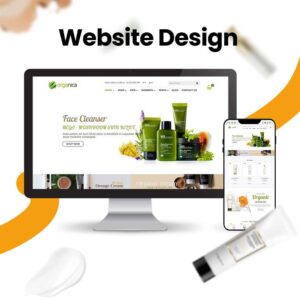
ออกแบบและสร้างเว็บไซต์ WordPress หรือเว็บไซต์องค์กรพร้อมระบบอีคอมเมิร์ซครบวงจรสำหรับคุณ.
ช่วงราคา: $200.00 ถึง $2,500.00custom-requirements-or-special-quotations
ราคาเดิมคือ: $2.00.$1.00ราคาปัจจุบันคือ: $1.00. การใช้ปลั๊กอิน 50 ตัวมากเกินไปสำหรับร้านค้าออนไลน์ที่ใช้ WordPress หรือไม่?
การเข้าใจผลกระทบที่แท้จริงต่อประสิทธิภาพ การมีปลั๊กอิน 50 ตัวบนเว็บไซต์อีคอมเมิร์ซ WordPress ไม่ใช่ปัญหาโดยอัตโนมัติ จริงๆ แล้ว จำนวนเพียงอย่างเดียวแทบจะไม่สามารถกำหนดประสิทธิภาพได้....

ภาพหลักสำหรับการออกแบบอุปกรณ์กายภาพบำบัดที่บ้านของ Amazon (อธิบายรายละเอียด)
บทนำ: การสร้างภาพลักษณ์ที่น่าเชื่อถือสำหรับอุปกรณ์บำบัดที่บ้านบน Amazon เมื่อออกแบบภาพหลักสำหรับอุปกรณ์บำบัดที่บ้านบน Amazon สิ่งสำคัญอันดับแรกของเราคือ...

ภาพหลักสำหรับการแปลงลิปสติกเป็นสินค้าสำหรับ Amazon
บทนำ: การออกแบบภาพหลักลิปสติกที่ขายได้บน Amazon เมื่อเราออกแบบภาพหลักสำหรับลิปสติกบน Amazon ความรับผิดชอบของเราไม่ได้จำกัดอยู่แค่...
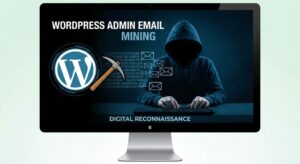
แฮกเกอร์ขโมยอีเมลผู้ดูแลระบบ WordPress ได้อย่างไร (และวิธีป้องกัน)
มาเริ่มกันด้วยความจริงที่ไม่น่าสบายใจ: อีเมลแอดมิน WordPress ของคุณอาจเปิดเผยต่อสาธารณะมากกว่าที่คุณคิด และแฮกเกอร์? พวกเขาชอบมาก สำหรับพวกเขา...

อะไรทำให้รองพื้นชนิดเหลวของ Amazon (ภาพหลัก) ขายดี?
บทนำ การออกแบบภาพหลักสำหรับรองพื้นชนิดเหลวบน Amazon ไม่ใช่แค่การทำให้ผลิตภัณฑ์ดูสวยงามเท่านั้น บน Amazon ภาพหลักและ...
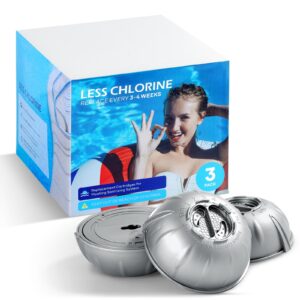
การออกแบบภาพหลัก Amazon ที่มีประสิทธิภาพสำหรับตลับกรอง
บทนำ การออกแบบภาพหลักสำหรับ Amazon ไม่ใช่แค่การทำให้สินค้าดูน่าดึงดูดเท่านั้น แต่ยังเกี่ยวกับความชัดเจน ความน่าเชื่อถือ และความเข้าใจได้ในทันที โดยเฉพาะอย่างยิ่งสำหรับ...
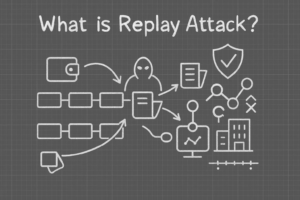
การโจมตีแบบ Replay Attack บน WordPress: ภัยคุกคามจริงหรือแค่เรื่องที่ถูกพูดเกินจริง?
ก่อนอื่นขอชี้แจงให้ชัดเจนก่อน การโจมตีแบบ Replay Attack นั้นดูไม่น่ากลัว มันไม่ได้ทำลายรหัสผ่าน มันไม่ได้แทรกโค้ดที่เป็นอันตรายพร้อมข้อความแฮ็กเกอร์สีเขียวกระจัดกระจายไปทั่ว มันแนบเนียนกว่า...
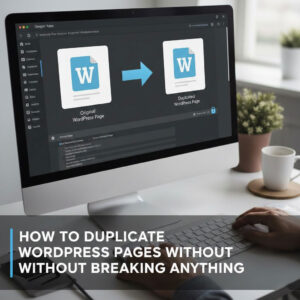
วิธีคัดลอกหน้าเว็บ WordPress โดยไม่ทำให้ระบบเสียหาย
ยอมรับกันเถอะ บางครั้งคุณอาจไม่อยากสร้างหน้าเว็บใหม่ คุณแค่อยากได้หน้าเว็บเดิม...แต่แตกต่างไปเล็กน้อย รูปแบบเหมือนเดิม บล็อกเหมือนเดิม การตั้งค่าเหมือนเดิม เพราะ...

เปรียบเทียบธีม WordPress สำหรับสัตว์เลี้ยง 5 แบบ
บทนำ การเลือกธีม WordPress ที่เหมาะสมสำหรับธุรกิจเกี่ยวกับสัตว์เลี้ยงนั้นไม่ใช่แค่เรื่องของการออกแบบเท่านั้น แต่ยังส่งผลโดยตรงต่อการใช้งาน ความสามารถในการขยายขนาด และการเติบโตของธุรกิจในระยะยาว การดูแลสัตว์เลี้ยงและ...
เปรียบเทียบธีมอีคอมเมิร์ซชุดว่ายน้ำ 5 แบบ
บทนำ การเลือกธีมที่เหมาะสมสำหรับร้านค้าอิสระที่จำหน่ายชุดว่ายน้ำหรือชุดชั้นในนั้นไม่ใช่แค่การตัดสินใจด้านภาพลักษณ์เท่านั้น แต่ยังส่งผลโดยตรงต่ออัตราการเปลี่ยนลูกค้าให้เป็นผู้ซื้อ ความสามารถในการขยายธุรกิจ และความยั่งยืนในระยะยาว...
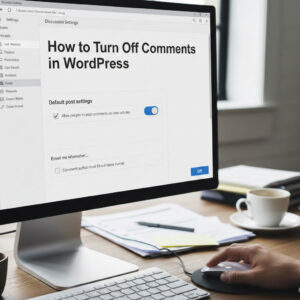
วิธีปิดการแสดงความคิดเห็นใน WordPress (โดยไม่ต้องเสียสติ)
มาพูดถึงระบบแสดงความคิดเห็นของ WordPress กันดีกว่า ในทางทฤษฎีแล้ว ความคิดเห็นนั้นยอดเยี่ยมมาก มันช่วยกระตุ้นการสนทนา สร้างชุมชน และทำให้เว็บไซต์ของคุณดูมีชีวิตชีวา แต่ในความเป็นจริงแล้ว มันมักจะเป็นเหมือนแม่เหล็กดึงดูด...

ข้อผิดพลาด WordPress 500: เมื่อเว็บไซต์ของคุณเกิดอาการผิดปกติ
เว็บไซต์ WordPress ของคุณยังใช้งานได้ปกติดีเมื่อสักครู่ คุณรีเฟรชหน้าเว็บ แล้วจู่ๆ ก็เกิดข้อผิดพลาด 500 Internal Server Error ขึ้นมา ไม่มีคำอธิบาย ไม่มีคำขอโทษ มีเพียงข้อความที่เย็นชาและสับสนซึ่งโดยพื้นฐานแล้ว...

การสร้างเว็บไซต์ WordPress ที่ปรับขนาดได้สำหรับแบรนด์ที่ขับเคลื่อนด้วยวิทยาศาสตร์: โครงการ AminoUSA
บทนำ ในยุคดิจิทัลปัจจุบัน เว็บไซต์เป็นมากกว่าแค่สถานที่สำหรับแสดงรายการสินค้า สำหรับแบรนด์ที่ขับเคลื่อนด้วยวิทยาศาสตร์ซึ่งดำเนินงานในอุตสาหกรรมที่มีการควบคุมหรือเน้นการวิจัย...

สร้างร้านค้า Shopify ที่ปรับขนาดได้สำหรับแบรนด์ใบมีดระดับโลก: โครงการ CoolKatana
บทนำ ในธุรกิจอีคอมเมิร์ซข้ามพรมแดน เว็บไซต์ Shopify เป็นมากกว่าแค่หน้าร้าน สำหรับแบรนด์ที่ดำเนินธุรกิจในกลุ่มเฉพาะหรือกลุ่มที่ขับเคลื่อนด้วยวัฒนธรรม เว็บไซต์ต้องทำมากกว่านั้น...
การออกแบบร้านค้า Shopify ที่มีอัตราการแปลงสูงสำหรับขายการ์ดโปเกมอน
บทนำ ในโลกของอีคอมเมิร์ซสินค้าสะสม โดยเฉพาะอย่างยิ่งในตลาดเกมการ์ดโปเกมอน (TCG) เว็บไซต์จะต้องทำมากกว่าแค่แสดงรายการสินค้า...
ดีไซน์ Shopify ที่เพิ่มยอดขายสำหรับแบรนด์อิฐสั่งทำพิเศษ
บทนำ ในสภาพแวดล้อมการแข่งขันอีคอมเมิร์ซในปัจจุบัน โดยเฉพาะอย่างยิ่งในตลาดของขวัญส่วนบุคคลและของสะสม เว็บไซต์ Shopify ต้องทำมากกว่าแค่แสดงสินค้า...
วิธีติดต่อฝ่ายสนับสนุนของ Shopify: คู่มือที่ง่ายและไม่ยุ่งยาก
การบริหารร้านค้า Shopify ควรเป็นเรื่องที่น่าตื่นเต้น ไม่ใช่เรื่องที่ทำให้สับสน เมื่อมีคำถามหรือปัญหาเกิดขึ้น Shopify มีช่องทางการสนับสนุนหลายช่องทาง ขึ้นอยู่กับสถานการณ์...
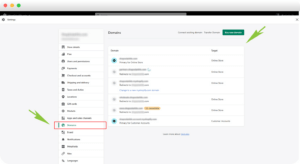
วิธีปิดใช้งานร้านค้า Shopify: คู่มือที่ชัดเจนและใช้งานได้จริง
การปิดใช้งานร้านค้า Shopify นั้นไม่ซับซ้อน แต่ก็มีผลกระทบหลายอย่างที่ผู้ขายหลายรายมองข้ามไป คู่มือนี้จะอธิบายขั้นตอนอย่างละเอียดและเข้าใจง่าย...