
Chinese merchants preparing to build a Shopify store often start by asking how much it costs per month. A useful budget must answer three questions: where the business entity is based, which payment methods it will use, and which tasks will be handled internally or outsourced. This article breaks down Shopify website costs into fixed subscriptions, order-dependent charges, and one-time investments so cross-border retail teams can budget before deciding to launch. Information was checked on October 22, 2026. Official prices vary by region, billing cycle, and promotion; confirm them again on your own account’s checkout page before paying.
Define the scope: an online retail budget, not a universal quote for export websites
Shopify suits merchants needing a catalog, cart, online checkout, and order management. If your business mainly involves large custom orders, sample inquiries, or offline contracts, first decide whether full online transactions are necessary. Comparing a Shopify plan alone with a brochure website does not establish which is cheaper. Official pricing includes hosting and SSL, so a Shopify store generally does not need separate traditional hosting. Custom domains, premium themes, apps, product content, and external services can still add costs.
If you are still deciding whether a transactional store fits your business, see our WordPress versus Shopify platform selection guide . Rather than repeat feature comparisons, this article builds a Shopify cost ledger. The US-dollar figures below are publicly displayed on Shopify’s Chinese pricing page with United States / Simplified Chinese selected and must not be treated as the final contract price for a China-based entity .
Plan fees: distinguish monthly, annual, and promotional pricing
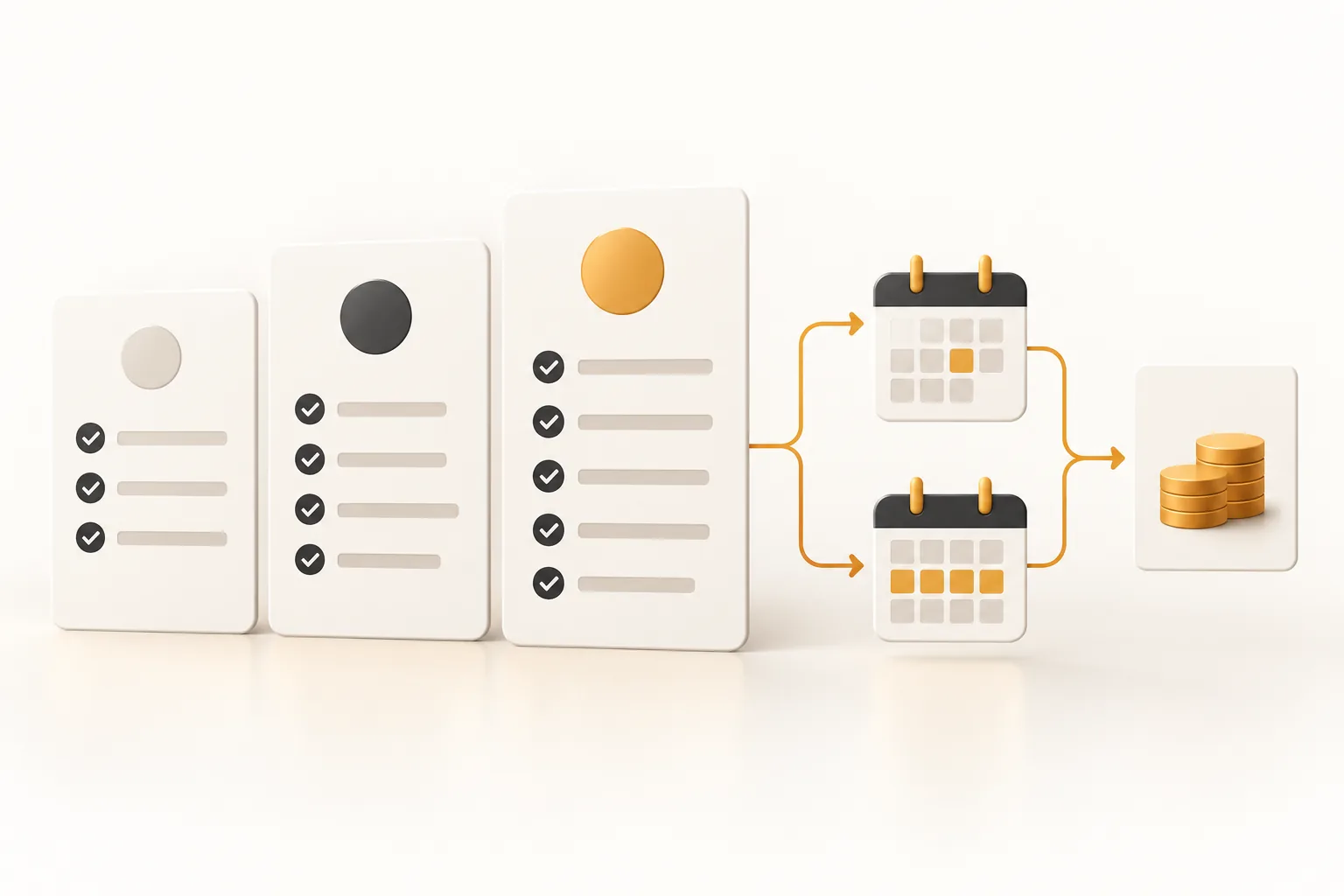
Monthly billing and the monthly equivalent of annual billing differ. As of the verification date, Basic displayed US$39 monthly or US$29 per month billed annually; Grow US$105 or US$79; and Advanced US$399 or US$299. Plus publicly started at US$2,300 per month, with contract terms and features requiring separate confirmation. Trial offers also appeared, but promotions are not long-term costs. All table figures are US dollars. The annual column is an advertised monthly average when paying annually, not a promise of monthly installments.
| Plan | Monthly billing | Monthly equivalent with annual billing | Budget consideration |
|---|---|---|---|
| Basic | US$39/month | US$29/month | First validate one store’s transaction and operating processes |
| Grow | US$105/month | US$79/month | Check team accounts and required features |
| Advanced | US$399/month | US$299/month | Assess multiple markets and complex operations |
| Plus | Starting at US$2,300/month | Request a quote | Assess contract, checkout, and B2B requirements |
Prices and plan scope are governed by the official Shopify pricing page . Startups should list essential features before comparing Basic and Grow, rather than buying a higher plan for possible future needs. If complex B2B catalogs or checkout customization are already required, read our comparison of Shopify Plus and standard plans and document the business reason for each requirement.
Payment costs: transaction fees and payment processing fees are separate
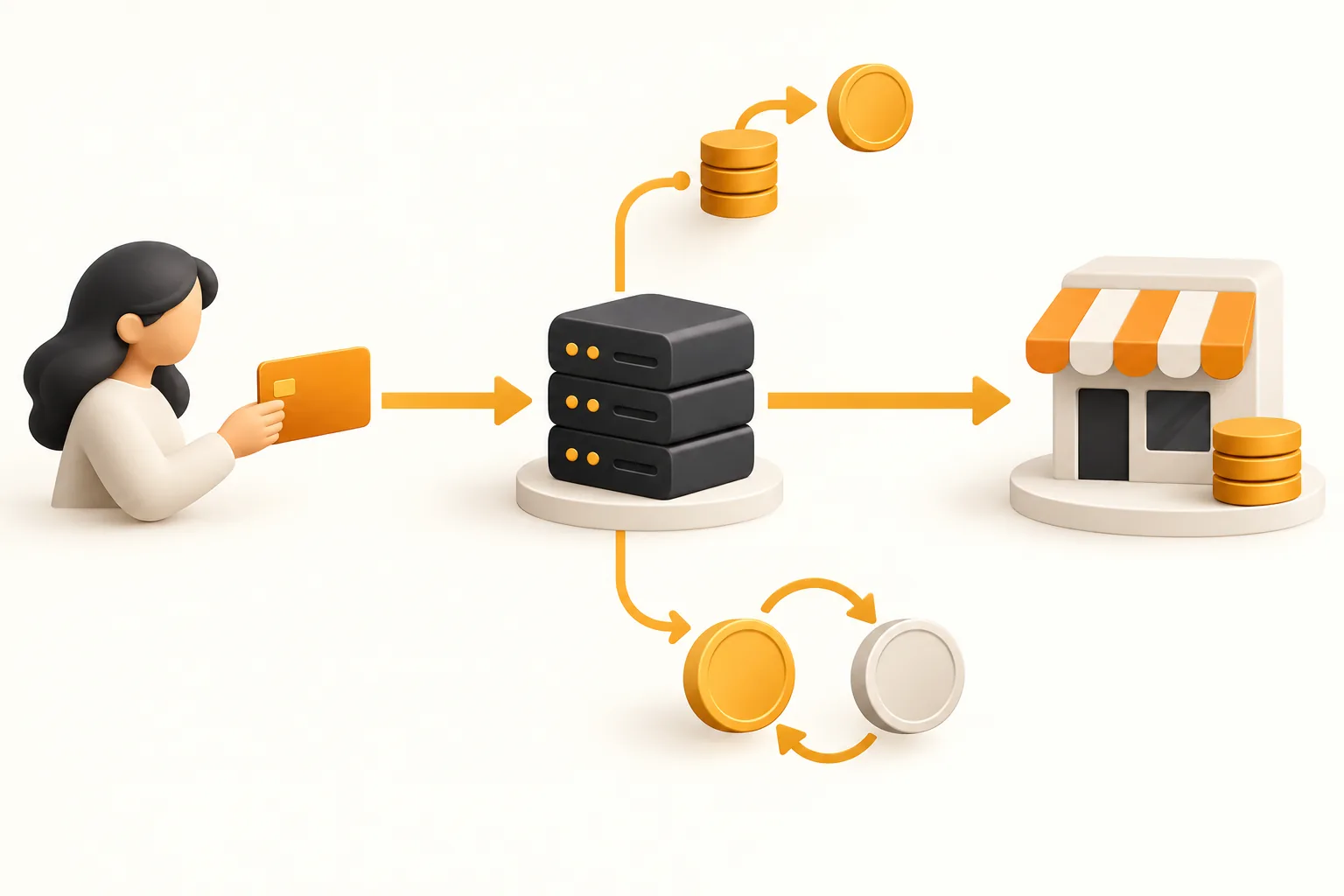
When using an external payment provider, Shopify may charge an additional third-party transaction fee, while the provider may charge its own processing fee. The official Shopify help page states that these charges are added together and that the third-party fee depends on the plan. US pricing displays 2%, 1%, and 0.6% for Basic, Grow, and Advanced respectively, but these are not universal quotes for every country, entity, and payment arrangement . Confirm through your store administration and payment-provider contract when purchasing. Track actual refund, chargeback, and cross-currency settlement costs separately too.
Mainland Chinese merchants especially need to check eligibility first. Shopify currently describes Shopify Payments in mainland China as early access, invitation only, requiring an eligible business entity and a connected WorldFirst account for verification and payouts. Do not assume every Chinese merchant can activate Shopify Payments or apply another region’s card rates. If using third-party payments, separately confirm eligibility, fees, settlement currency, and payout routing with Shopify and the provider. Our payment-method checklist for export websites can guide the next purchasing checks, but official terms and the contracting page remain authoritative.
Themes, apps, domains, and content: budget each according to necessity
Look beyond the download button for themes and apps
Use actual product content to decide whether a free theme supports your brand and product-detail structure. Premium themes may be one-time purchases, while third-party apps may charge monthly, by usage, or once. Shopify’s billing documentation separates themes, apps, and transaction charges; app cycles may differ from plan billing. Before adding review, multilingual, subscription, marketing, or support apps, check the price, trial end date, usage limits, and billing after removal in the purchase flow. Prefer existing platform capabilities and avoid multiple apps solving the same problem.
You can connect an existing domain to Shopify; official documentation also describes a free myshopify.com address. Custom-domain purchase and renewal depend on registrar, extension, and terms, so a first-year discount is not the standard price. Building the website also requires photography, copy, page design, category structure, translation, and quality checks. These are usually internal labor or provider charges, separate from Shopify’s subscription. For multilingual markets, consult our additional budget for multilingual websites to avoid counting translated words while overlooking pages and customer-service workflows.

Do not hide logistics, tax services, and advertising inside platform fees
Shipping, storage, returns, advertising, and tax services are operating expenses, not a fixed website package. They still affect cash flow and gross margin, so give them separate budget lines. Some regions and features may incur extra charges; check official guidance and service contracts against target market, order type, and features used. Cross-border sellers must not assume that logistics, duties, local payments, and compliance are included simply because a template says Sell globally.
Build first-year and renewal-year budgets instead of asking for one total
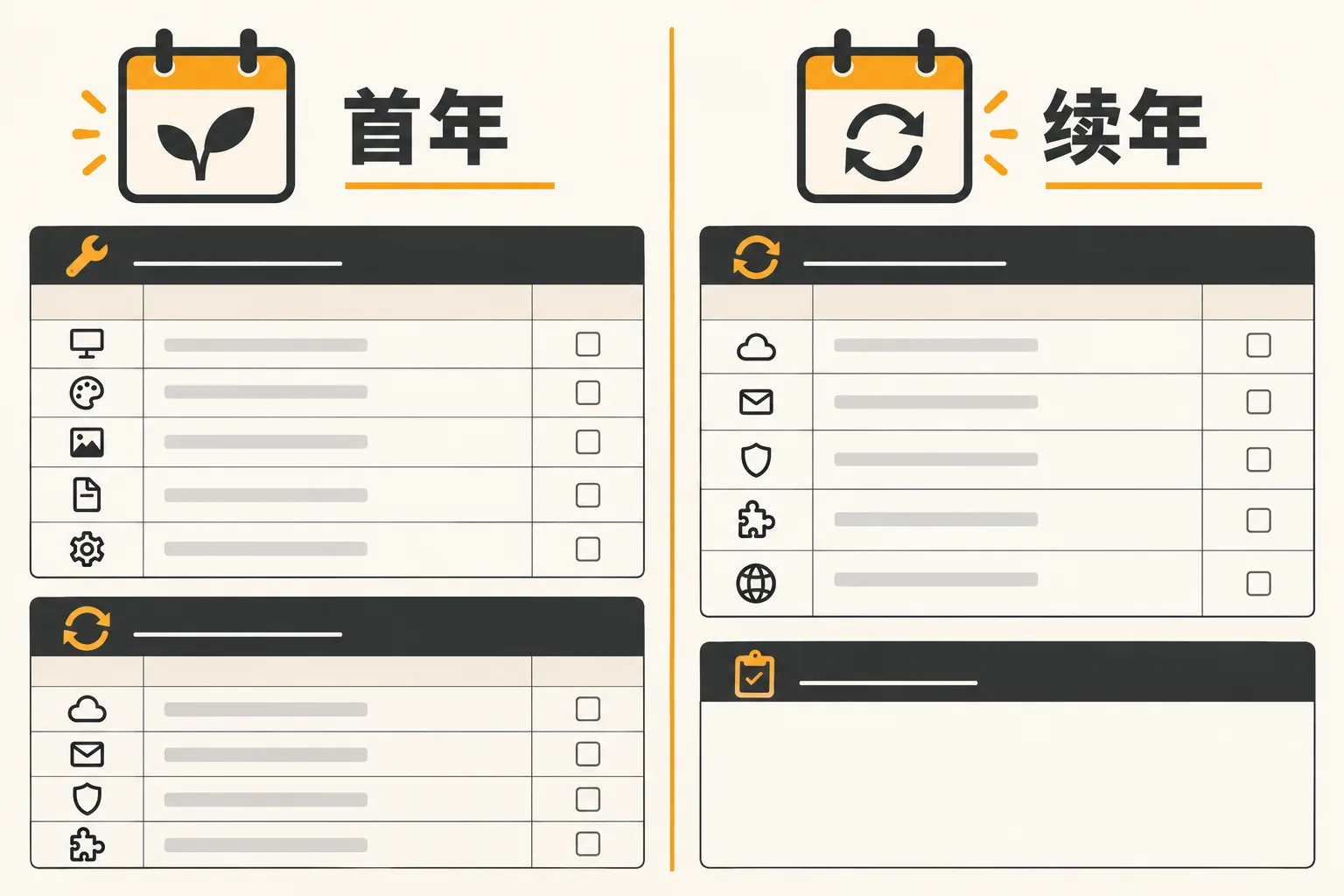
Create two columns: first year and subsequent years. Enter subscriptions using the actual billing cycle. Record initial and renewal costs for domains, themes, and apps separately. Charge one-time design, content, and translation only in the year incurred. Estimate payment costs under conservative, neutral, and optimistic order scenarios. Mark uncertain rates or volumes Awaiting verification and assign an owner; unknown is not zero. This supports comparisons between internal and outsourced production and later adjustments using actual bills.
| Item | First-year record | Renewal-year record |
|---|---|---|
| Platform subscription | Actual purchased plan and cycle | Renewal price and cycle |
| Themes / apps / domain | Initial purchase and trial-to-paid date | Check renewals, usage charges, and price increases |
| Design and content | Delivery scope and one-time quote | Maintenance and new-content budget |
| Payments and operations | Estimate by order scenario | Update using actual bills |
When requesting a provider quote, specify product count, languages, page list, readiness of product materials, payment region, third-party apps, and launch acceptance requirements. Otherwise, two Shopify website quotes may cover very different work: template setup versus product organization, page creation, and training. Break prices down by deliverable and identify ownership of the domain, store, assets, and app accounts so migration and maintenance costs remain assessable.
Conclusion: calculate controllable costs, then verify uncertainties
Shopify website costs have no fixed total that applies to every merchant. Confirm the store region and billing cycle on official pricing, distinguish platform transaction fees from processing fees according to actual eligibility, and separately budget themes, apps, domains, content, and operations for the first and subsequent years. For a cross-border retail trial, define a minimal catalog and essential features first. For established complex market, B2B, or team needs, assess upgrades using business evidence. Before paying, recheck the actual Shopify checkout, payment-provider contract, and service-provider deliverables.