










How to Make Products View Only on Shopify

Introducción

Shopify is built to sell — that much is clear.
By default, every product you add to your store is designed to move visitors toward a purchase.

But what if that’s no what you want?

Many Shopify merchants eventually run into situations where products should be visible but not purchasable. Maybe you’re preparing a launch, showcasing a catalog, selling wholesale-only items, or simply presenting products for reference.

This is where the concept of view-only products becomes essential.

In this guide, we’ll explain how to make products view only on Shopify, why merchants choose to do this, and which approach works best depending on your store structure, technical comfort level, and long-term goals.

No jargon. No assumptions. Just clear explanations and practical guidance.
What Does “View Only” Mean on Shopify?

How to Make Products View Only on Shopify-What Does “View Only” Mean on Shopify?

A view-only product is a product that customers can see — including images, descriptions, pricing, and specifications — but cannot add to cart or purchase.

In most cases, this means:

  • The Add to Cart button is hidden, disabled, or replaced
  • Checkout is not accessible for that product
  • The product page still functions as a content or reference page

Importantly, Shopify does not have a built-in “view only” toggle.
So achieving this requires intentional configuration.

Why Would You Want Products to Be View Only?

Before jumping into methods, it’s important to understand por qué merchants use view-only products. The reason determines the best solution.

Common Use Cases

1. Pre-Launch Products
You want to tease upcoming products without allowing purchases yet.

2. Wholesale or B2B Catalogs
Products are visible, but pricing or purchasing requires approval.

3. Custom or Quote-Based Items
Products that require consultation before ordering.

4. Out-of-Stock or Discontinued Items
You still want them indexed, searchable, or referenced.

5. Portfolio or Brand Showcase
Using Shopify as a catalog rather than a checkout-driven store.

Each of these scenarios calls for a slightly different setup.

Key Principles Before You Start

When learning how to make products view only on Shopify, keep these principles in mind:

  • Shopify is checkout-first by default
  • There is no universal “disable purchase” switch
  • Solutions range from simple admin settings to theme-level logic
  • The best method depends on:
    • Theme flexibility
    • Technical skill
    • Store scale
    • SEO considerations

Let’s walk through the most practical approaches.
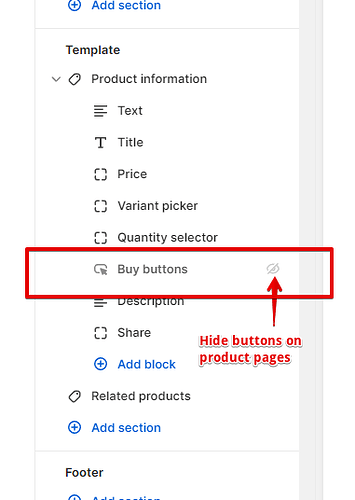
Method 1: Removing the Add to Cart Button (Theme-Based)

How to Make Products View Only on Shopify-Removing the Add to Cart Button (Theme-Based)

This is the most common and most flexible approach.

Cómo funciona

You modify your theme so that:

  • The Add to Cart button is hidden or disabled
  • The product page still loads normally
  • Customers can view all product content

When This Method Is Best

  • You want full control over presentation
  • You care about SEO and page indexing
  • You want view-only behavior on specific products, not the entire store

Typical Implementation Logic

Most Shopify themes include conditional logic like:

  • Product availability
  • Product tags
  • Tipos de productos
  • Metafields

By using these conditions, you can say:

“If this product is tagged as view-only, hide the Add to Cart button.”

This allows you to:

  • Keep normal products fully purchasable
  • Apply view-only status selectively

Ventajas

  • Clean customer experience
  • No extra apps
  • SEO-friendly
  • Fully customizable

Contras

  • Requires theme editing or developer help
  • Different themes structure buttons differently

Method 2: Using Product Availability Settings

This is the simplest approach, but also the most limited.

Cómo funciona

You:

  • Remove all inventory
  • Disable product availability across sales channels

The product page remains visible, but checkout isn’t possible.

When This Works Well

  • Temporary situations
  • Out-of-stock displays
  • Minimal customization needs

Limitaciones

  • “Sold out” messaging may appear
  • Not ideal for intentional catalog presentation
  • Limited control over user messaging

This method technically works, but it often creates confusion rather than clarity.
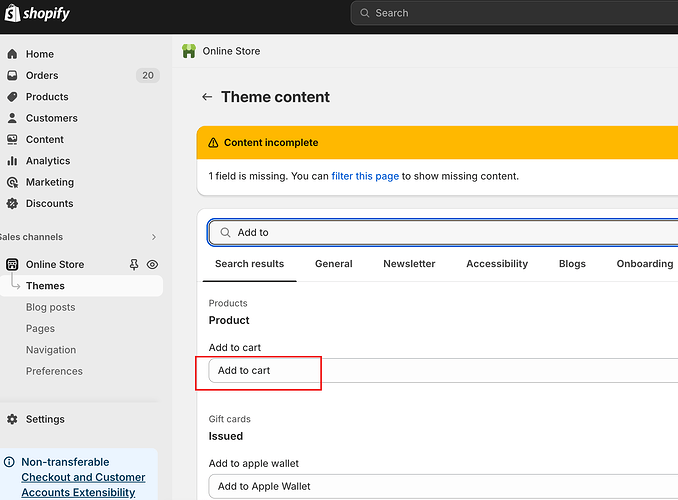
Method 3: Replacing Add to Cart with Custom Messaging

How to Make Products View Only on Shopify-Replacing Add to Cart with Custom Messaging

Instead of hiding purchase actions, you replace them.

Examples

  • “Contact us for pricing”
  • “Wholesale access required”
  • “Launching soon”
  • “Request a quote”

How This Is Typically Done

  • Hide Add to Cart button
  • Insert a custom button or message
  • Link to:
    • Formulario de contacto
    • Wholesale signup
    • Email inquiry

Why This Method Is Popular

It doesn’t just remove purchasing — it redirects intent.

Visitors understand por qué they can’t buy and what to do next.

Method 4: Using Shopify Apps

There are apps designed specifically to manage product visibility and purchase restrictions.

Common App Features

  • Hide Add to Cart buttons
  • Lock products behind login
  • Restrict purchasing by customer group
  • Display view-only catalogs

When Apps Make Sense

  • B2B or wholesale stores
  • Non-technical merchants
  • Large product catalogs
  • Complex customer segmentation

Trade-Offs

  • Monthly fees
  • Performance impact
  • Dependency on third-party updates

Apps can be powerful, but they are not always necessary.

Method 5: Creating a Catalog-Only Store Structure

Some merchants go a step further and design their Shopify store as a catalog-first experience.

What This Means

  • Product pages function like landing pages
  • Emphasis on:
    • Visuals
    • Specs
    • Use cases
  • Purchasing happens offline or via inquiry

This approach is common in:

  • High-value custom products
  • Manufacturing or OEM brands
  • Cross-border B2B scenarios

It requires thoughtful design, not just technical switches.

SEO Considerations for View-Only Products

How to Make Products View Only on Shopify-SEO Considerations for View-Only Products

One of the biggest mistakes merchants make is assuming view-only products hurt SEO.

In reality, they can help when done correctly.

Best Practices

  • Keep product pages indexable
  • Use descriptive product content
  • Avoid “sold out” dead ends
  • Replace purchase CTAs with informational or lead-generation CTAs

Search engines don’t care if a product is purchasable — they care if it’s useful.

Choosing the Right Method for Your Store

Here’s a simplified decision guide:

  • Just temporary? → Availability settings
  • Selective control needed? → Theme logic
  • Wholesale or gated access? → Apps or customer tagging
  • Brand catalog or B2B? → Custom view-only design

There is no single “best” solution — only the right one for your goals.

Errores comunes que se deben evitar

  • Removing Add to Cart without explanation
  • Blocking checkout but leaving confusing CTAs
  • Using apps when simple logic would suffice
  • Ignoring mobile layouts
  • Forgetting SEO impact

View-only should feel intentional, not broken.

Reflexiones finales

Learning how to make products view only on Shopify isn’t about disabling sales — it’s about controlling the buying journey.

Whether you’re preparing a launch, building a wholesale catalog, or positioning your brand differently, Shopify is flexible enough to support it — when configured correctly.

The key is aligning:

  • Technical setup
  • Design experience
  • Business intent

How We Can Help

En AIRSANG, this is exactly the kind of challenge we solve.

We work with cross-border brands to:

  • Design Shopify stores that match real business models
  • Implement view-only, wholesale, and catalog-first structures
  • Balance conversion, clarity, and long-term scalability

Si tu Shopify store needs to show products without selling them — or sell them differently — we’d be happy to help you design the right solution.


Entregado en todo el mundo

AIRSANG ofrece soluciones rentables de diseño web, identidad visual de marca y comercio electrónico. Desde Shopify y WordPress hasta imágenes de productos de Amazon, ayudamos a las marcas globales a construir, elevar y hacer crecer su negocio en línea.

Diseñar y construir un sitio web WordPress o sitio corporativo con un sistema completo de comercio electrónico para usted.

Diseñar y construir un sitio web WordPress o sitio corporativo con un sistema completo de comercio electrónico para usted.

Rango de precios: desde $200.00 hasta $2,500.00
Requisitos personalizados o presupuestos especiales

Requisitos personalizados o presupuestos especiales

El precio original era: $2.00.El precio actual es: $1.00.

¿Listo para transformar su empresa?

Reserve una llamada para obtener más información sobre cómo nuestra agencia de marketing digital puede llevar su negocio al siguiente nivel.