











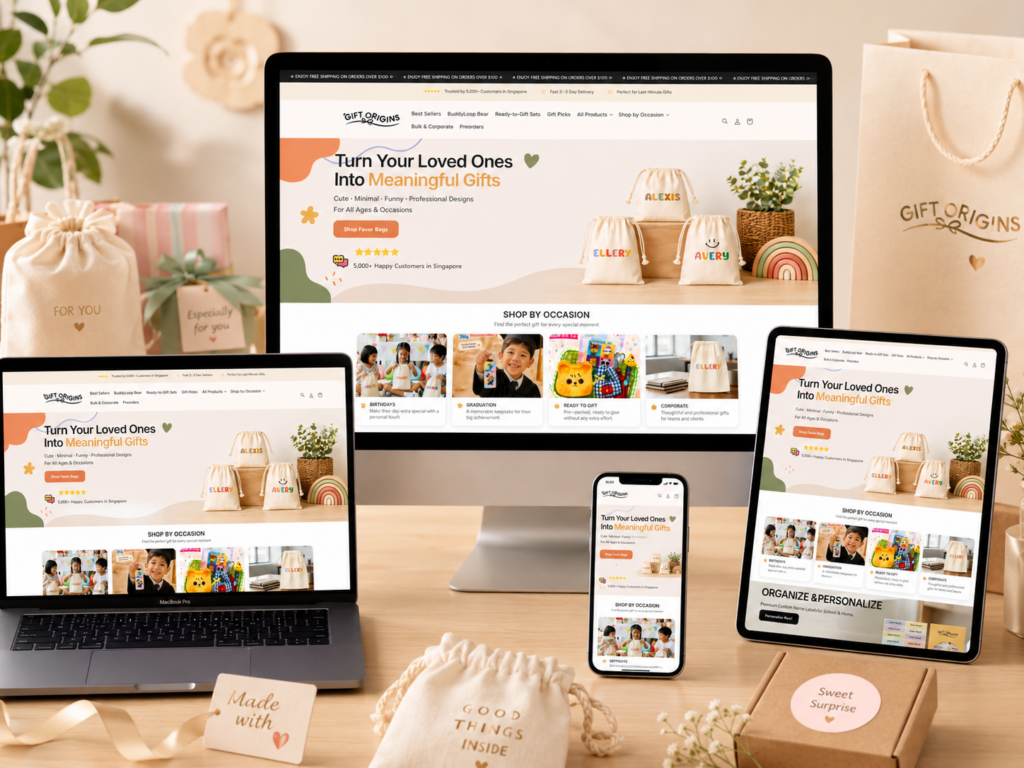
Introduction: Designing a Store That Sells Feelings, Not Just Products
From a designer’s perspective, this 쇼피파이 gift store is built around a single guiding principle: emotional commerce drives faster decisions than functional browsing. Instead of presenting products as isolated items, we designed the entire experience as a continuous narrative of gifting moments, surprise, personalization, and instant gratification. Every section is intentionally structured to reduce cognitive load, shorten decision pathways, and increase emotional engagement.
We focused on creating a layered user journey where visitors first feel inspired, then guided, and finally confident enough to purchase. The store does not rely on complex navigation or overwhelming product catalogs. Instead, it uses storytelling modules, occasion-based grouping, visual-heavy product cards, and conversion-focused product pages to gradually move users from curiosity to checkout.
The sequence of the design follows a psychological flow: emotional hook → contextual discovery → structured browsing → product excitement → purchase confirmation. Each stage is carefully optimized to ensure that users never feel lost, but always feel gently guided forward.
| 배송 시간 | 범주 | 웹사이트 유형 |
| 16days | gift | shopify |
| 참여 디자이너 | 비용 | 효과 |
| 린 장 | $1900 | Sales📈244% |
Hero Section: Building Emotional Impact in Seconds
Visual First Impression Strategy
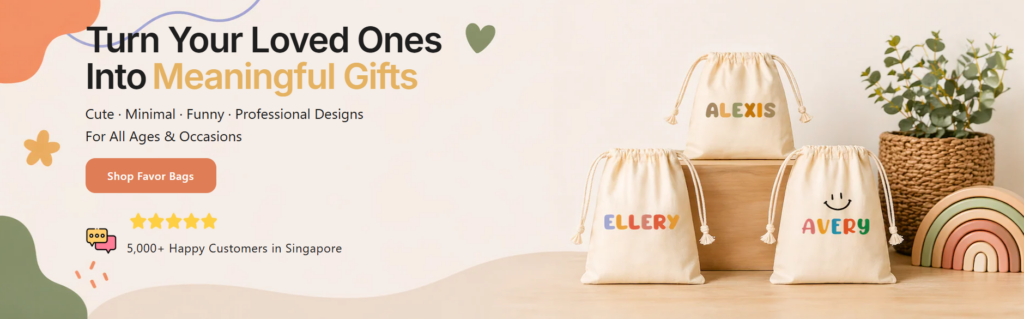
We designed the hero section—“Turn Your Loved Ones Into Meaningful Gifts”—as the emotional anchor of the entire website. The goal is to immediately establish emotional clarity. Users should understand within three seconds that this store is about transforming relationships into tangible, personalized gifts.
The typography hierarchy plays a critical role here. The phrase “Turn Your Loved Ones Into” is kept neutral and grounded, while “Meaningful Gifts” is visually emphasized using a warm accent color. This contrast ensures that emotional intent is highlighted without overwhelming the user.
Product as Lifestyle Storytelling
On the right side of the layout, we intentionally placed real product imagery showing personalized gift bags. This is not decorative—it is persuasive storytelling. Users don’t need to imagine the outcome; they see it instantly. We designed this visual balance so that emotional messaging on the left is immediately validated by real-world product results on the right.
Conversion-Oriented CTA Placement
The call-to-action button is placed within natural reading flow rather than isolated at the top or bottom. This ensures users encounter it after emotional understanding has already been established. Supporting elements like ratings and delivery assurances reinforce trust at the exact moment users are deciding whether to proceed.
Shop by Occasion: Designing Around Real-Life Intent
Structuring Products by Emotional Context
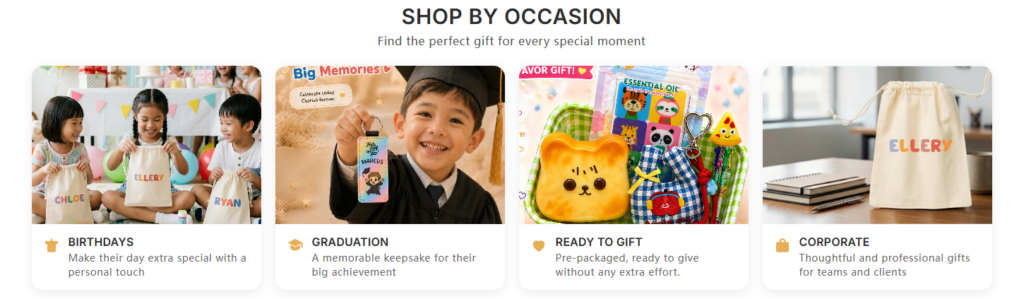
Instead of organizing products by category alone, we designed the “Shop by Occasion” section to align with how people actually think when buying gifts. Users rarely think, “I want a product.” They think, “I need a birthday gift” or “I need something for graduation.”
By mapping products to real-life events like Birthdays, Graduation, Ready to Gift, and Corporate needs, we reduce friction in decision-making. This structure eliminates unnecessary browsing steps and improves conversion efficiency.
Visual Anchoring for Faster Decisions
Each occasion card is designed as a visual storytelling unit. We use expressive photography that immediately communicates emotional context. For example, birthday scenes show children interacting with gifts, while corporate visuals emphasize clean, professional packaging.
This allows users to understand product relevance without reading text. The images act as instant decision shortcuts.
Minimal Copy, Maximum Clarity
We intentionally limited text under each category to a single descriptive sentence. This ensures that the section remains scannable and does not slow down browsing behavior. The goal is to support fast emotional recognition rather than detailed reading.
Organize & Personalize: Functional Design Meets Emotional Trust
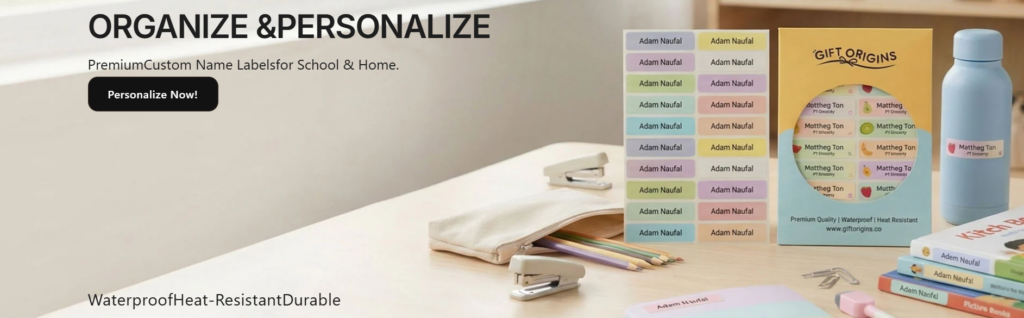
Clarity Through Strong Typography Hierarchy
The “Organize & Personalize” section was designed to communicate utility first. The uppercase heading establishes authority and clarity, signaling that this product solves a real-world problem: labeling and organization.
We used a clean left-aligned layout to guide users through information in a predictable reading flow. This improves comprehension and reduces hesitation.
Right-Side Visual Proof System
The right side shows real-life usage scenarios—label sheets, school supplies, and household items. This is intentional visual proof. Instead of telling users the product works, we show it in action.
We designed this section to build trust through authenticity. The visuals are not stylized fantasy renders; they are grounded, real-world applications.
Benefit-Driven Micro Copy
Keywords like “waterproof,” “heat-resistant,” and “durable” are placed as quick-scanning benefits. This allows users to instantly evaluate product quality without reading long paragraphs. It supports fast decision-making behavior typical of mobile-first users.
Best-Selling Products: Social Proof as a Conversion Engine
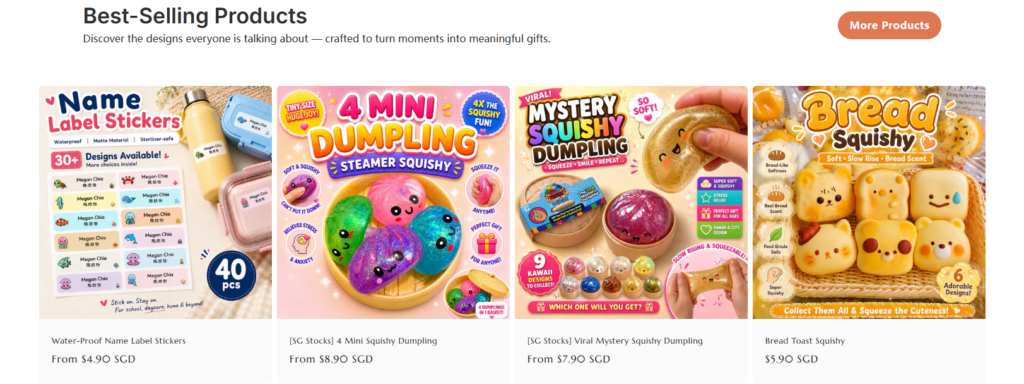
Leveraging Popularity Psychology
The “Best-Selling Products” section is designed to reduce decision anxiety. When users see that an item is labeled as “best-selling,” it signals validation from other buyers. This significantly increases purchase confidence.
We used this psychological principle intentionally to guide first-time visitors toward proven products.
Grid-Based Scannable Layout
Each product card is structured as a mini storefront. Large, colorful images dominate the visual hierarchy because gifting products rely heavily on emotional appeal. Users are not just buying functionality—they are buying excitement.
Pricing and product names are placed consistently below images to support quick scanning and comparison.
Controlled Visual Diversity
We allowed each product thumbnail to maintain its own unique promotional style. This introduces energy and variety into the grid while still maintaining structural consistency. The result is a balanced browsing experience that feels dynamic but not chaotic.
Unbox a Pocket-Sized Surprise: Designing Anticipation
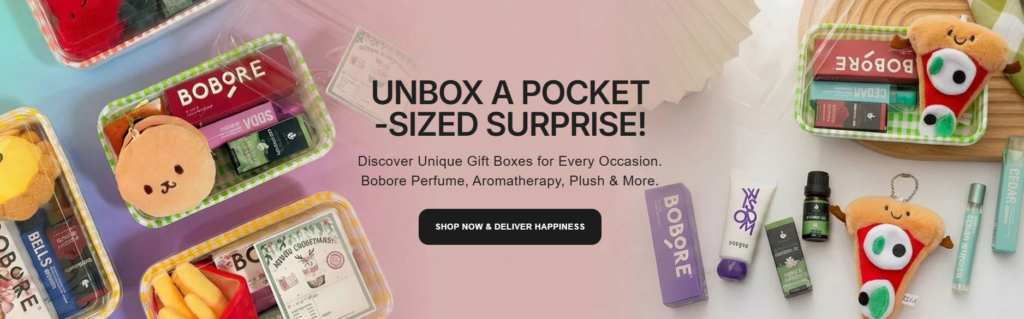
Emotional Trigger Through Typography
The “UNBOX A POCKET-SIZED SURPRISE” section is designed around curiosity. The uppercase headline immediately creates emotional tension and anticipation. Users are prompted to imagine what the surprise might contain before they even see the product details.
Flat-Lay Composition for Discovery Feeling
We used a scattered product arrangement on the right side to mimic the experience of unboxing. Items are visually distributed rather than structured, reinforcing the idea of discovery and surprise.
This composition strategy helps users emotionally simulate the product experience, which increases engagement.
Soft Gradient Background for Emotional Warmth
The background uses soft pastel gradients to create a friendly, gift-oriented atmosphere. This reduces visual harshness and makes the section feel playful and accessible.
Ready to Gift Sets: Reducing Decision Fatigue
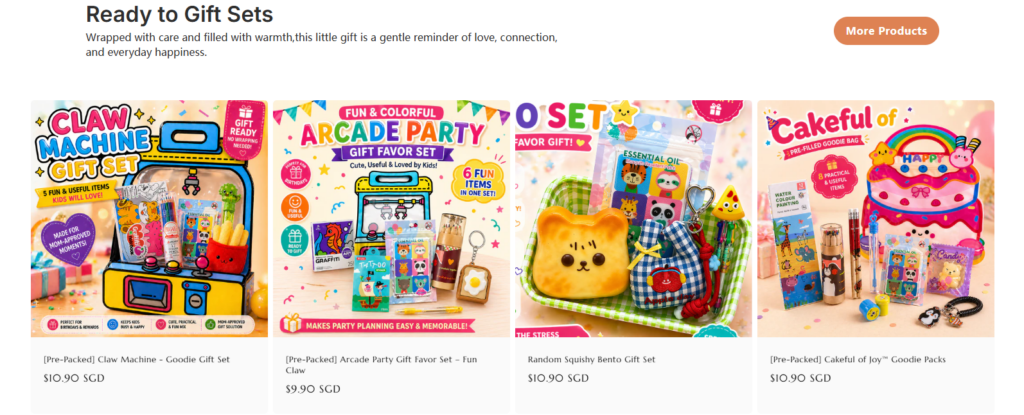
Pre-Bundled Value Proposition
This section is built around a key behavioral insight: users prefer ready-made solutions when under time pressure. By presenting fully assembled gift sets, we remove the need for users to combine or customize products themselves.
Bold Visual Identity for Each Set
Each product card uses highly expressive packaging visuals. The design ensures that users can instantly understand the theme of each set—whether arcade, cute food, or surprise bundles.
구조화된 정보 흐름
We kept pricing and titles minimal to maintain clarity. The focus remains on emotional impact rather than technical details. This ensures faster browsing and higher engagement.
Pre-Packed Goodie Bags Collection Page: Scaling Discovery
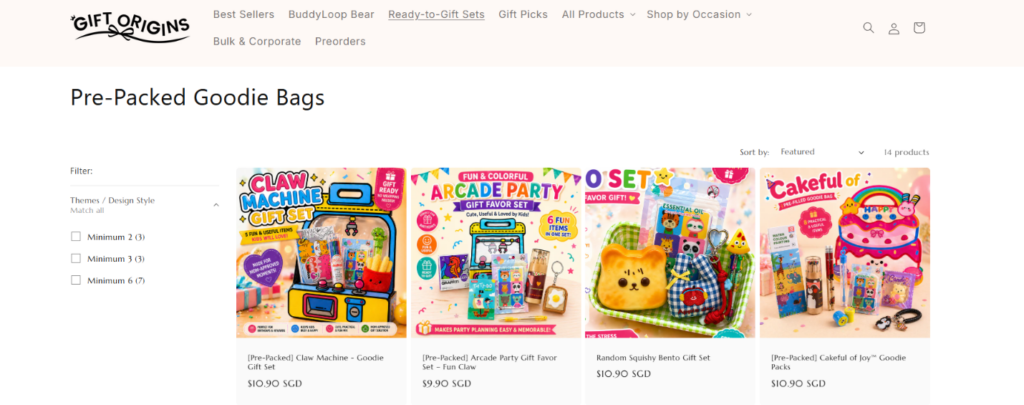
Clean Grid System for High Product Volume
This collection page is designed to handle large inventory without overwhelming users. A consistent grid system ensures visual order even when many products are displayed simultaneously.
Filter System for Controlled Exploration
The filter panel is intentionally minimal. It allows users to narrow down choices without interrupting browsing flow. This is critical for maintaining engagement in large catalog environments.
Persistent Conversion Elements
Elements like WhatsApp support and trust signals are placed strategically to ensure users always have a path to assistance or reassurance during browsing.
Product Detail Page: Converting Intent Into Purchase
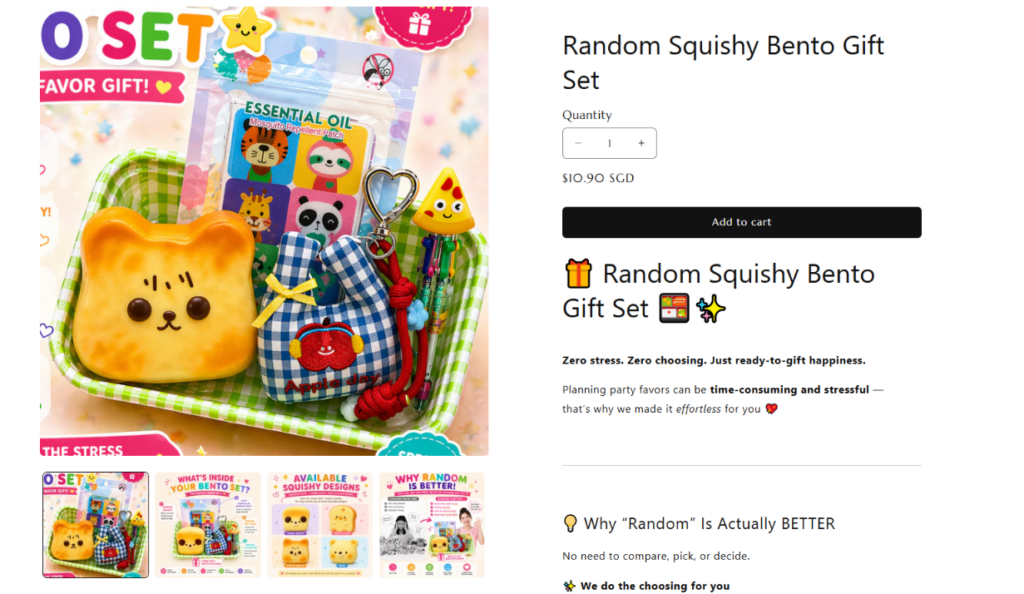
Split-Screen Decision Architecture
The product page uses a left-right structure: immersive imagery on the left and decision-making tools on the right. This mirrors how users naturally process information—first emotionally, then rationally.
Reducing Uncertainty Through Explanation
Sections like “Why Random Is Actually Better” are designed to eliminate doubt. Instead of forcing choice, we frame randomness as a benefit, reducing decision fatigue and increasing trust.
Scannable Product Breakdown
The “What’s Inside” section uses bullet points and icons to allow fast comprehension. Users can quickly evaluate value without reading long paragraphs, which improves conversion speed.
Emotional Reinforcement Blocks
Sections like “Perfect For Busy Parents” connect the product to real-life scenarios. This ensures that users not only understand the product but also imagine themselves using it.
결론
This Shopify gift store is not just a product listing platform—it is a carefully structured emotional journey. Every section is designed to guide users from curiosity to confidence through visual storytelling, psychological triggers, and conversion-focused structure. By combining occasion-based navigation, strong product imagery, simplified decision flows, and emotionally driven messaging, the entire experience transforms browsing into an intuitive gifting journey.
In the end, this design demonstrates how modern eCommerce succeeds not by showing more products, but by reducing friction, amplifying emotion, and guiding users through meaningful decision pathways.

완전한 전자상거래 시스템을 갖춘 워드프레스 웹사이트 또는 기업 사이트를 디자인하고 구축하세요.
가격 범위: $200.00~$2,500.00custom-requirements-or-special-quotations
원래 가격: $2.00.$1.00현재 가격: $1.00. 아마존 가정용 물리치료 기기 메인 이미지 디자인 설명
소개 소개: 아마존에서 홈 테라피 기기의 신뢰할 수 있는 이미지 구축 아마존에서 홈 테라피 기기의 기본 이미지를 디자인할 때 기본 ...
아마존 립스틱 전환을 위한 메인 이미지 디자인
소개: 소개: 아마존에서 판매되는 립스틱 메인 이미지 디자인하기 아마존 립스틱의 메인 이미지를 디자인할 때 우리의 책임은 그 이상입니다.

해커들이 워드프레스 관리자 이메일을 훔치는 방법(그리고 이를 막는 방법)
불편한 진실부터 말씀드리자면, 워드프레스 관리자 이메일은 생각보다 훨씬 더 많이 공개되어 있습니다. 그들은 그것을 좋아합니다. 해커에게 여러분의...
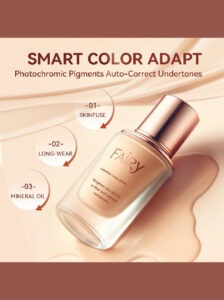
아마존 리퀴드 파운데이션 메인 이미지 변환의 특징은 무엇일까요?
서론 아마존 리퀴드 파운데이션의 메인 이미지 디자인은 단순히 제품을 아름답게 보이게 하는 것만이 아닙니다. 아마존에서 메인 이미지와...
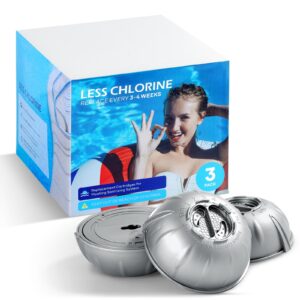
필터 카트리지 제품을 위한 효과적인 아마존 메인 이미지 디자인하기
서론 아마존 메인 이미지 디자인은 단순히 제품을 매력적으로 보이게 하는 것만이 아닙니다. 명확성, 신뢰, 그리고 즉각적인 이해를 제공하는 것이 중요합니다. 특히...
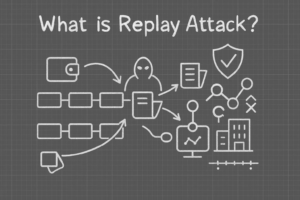
워드프레스에 대한 리플레이 공격: 실제 위협인가, 과장된 신화인가?
먼저 한 가지를 분명히 해두죠. 리플레이 공격은 겉보기에 무섭지 않습니다. 비밀번호를 날려버리지도 않고, 초록색 해커 텍스트가 사방에 흩날리는 악성 코드를 주입하지도 않습니다. 그저 교묘하게 이루어질 뿐입니다.
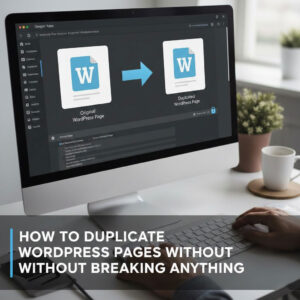
WordPress 페이지를 손상 없이 복제하는 방법
솔직히 말해봅시다. 때로는 새 페이지를 만들고 싶지 않을 때가 있죠. 그냥 기존 페이지를 약간만 다르게 하고 싶을 때가 있어요. 레이아웃도, 블록도, 설정도 그대로요. 왜냐하면...

반려동물 관련 워드프레스 테마 5가지 비교
서론 반려동물 관련 워드프레스 테마를 선택하는 것은 단순한 디자인 결정 이상의 의미를 지닙니다. 사용성, 확장성, 그리고 장기적인 비즈니스 성장에 직접적인 영향을 미치기 때문입니다. 반려동물 관리 및 관련...
수영복 온라인 쇼핑몰 테마 5가지 비교
서론 수영복이나 란제리 독립 매장에 적합한 테마를 선택하는 것은 단순히 시각적인 결정에 그치는 것이 아니라, 전환율, 확장성, 그리고 장기적인 성공에 직접적인 영향을 미칩니다.
워드프레스에서 댓글 기능을 끄는 방법 (정신줄 놓지 않고)
워드프레스 댓글에 대해 이야기해 봅시다. 이론적으로 댓글은 훌륭합니다. 토론을 장려하고, 커뮤니티를 형성하며, 웹사이트에 생동감을 불어넣습니다. 하지만 현실은 어떨까요? 댓글은 종종 문제를 야기하기도 합니다...

과학 중심 브랜드를 위한 확장 가능한 워드프레스 웹사이트 구축: 아미노USA 프로젝트
서론 오늘날의 디지털 환경에서 웹사이트는 단순히 제품을 나열하는 공간 이상의 의미를 지닙니다. 규제 산업이나 연구 중심 산업에서 활동하는 과학 기반 브랜드에게 웹사이트는 더욱 중요한 역할을 합니다.

글로벌 블레이드 브랜드를 위한 확장 가능한 쇼피파이 스토어 구축: 쿨카타나 프로젝트
서론: 국경을 넘나드는 전자상거래에서 Shopify 웹사이트는 단순한 매장 이상의 의미를 지닙니다. 특정 문화권에서 사업을 운영하는 브랜드의 경우, 웹사이트는 단순한 판매 공간을 넘어 훨씬 더 많은 기능을 수행해야 합니다.
포켓몬 카드 판매를 위한 높은 전환율을 자랑하는 쇼피파이 스토어 디자인하기
서론 수집품 전자상거래, 특히 포켓몬 트레이딩 카드 게임(TCG) 시장에서 웹사이트는 단순히 제품 목록을 나열하는 것 이상의 역할을 해야 합니다.
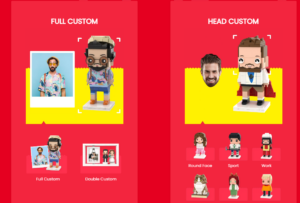
맞춤형 오프라인 브랜드에 최적화된 전환율 높은 쇼피파이 디자인
서론 오늘날 경쟁이 치열한 전자상거래 환경, 특히 맞춤형 선물 및 수집품 분야에서 Shopify 웹사이트는 단순히 제품을 전시하는 것 이상의 역할을 해야 합니다. ...
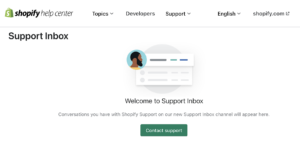
Shopify 고객 지원팀에 문의하는 방법: 간단하고 스트레스 없는 가이드
쇼피파이 스토어 운영은 흥미진진해야지 혼란스러워서는 안 됩니다. 궁금한 점이 생기거나 문제가 발생하여 진행이 늦어질 때, 쇼피파이는 상황에 따라 다양한 지원 경로를 제공합니다.
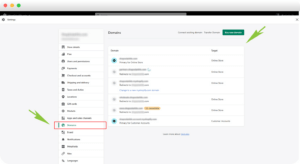
쇼피파이 스토어 비활성화 방법: 명확하고 실용적인 가이드
쇼피파이 스토어를 비활성화하는 것은 복잡하지 않지만, 많은 판매자가 간과하는 몇 가지 결과가 따릅니다. 이 가이드에서는 비활성화 과정을 간단하고 유익하게 설명합니다.
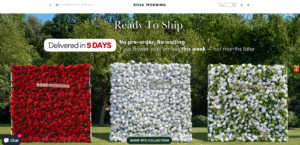
프리미엄 꽃집 브랜드를 위한 쇼피파이 웹사이트 디자인 사례 연구
서론 오늘날 경쟁이 치열한 전자상거래 환경에서 Shopify 웹사이트는 단순히 제품을 보여주는 것 이상의 역할을 해야 합니다. 브랜드 가치를 즉시 전달하고 사용자를 안내해야 합니다...
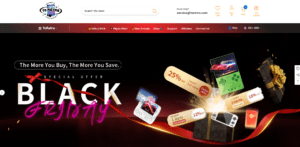
Shopify 디자인 사례 연구: 레트로 게임 스토어
서론: 경쟁이 치열한 전자상거래 환경에서 시각적 명확성과 감정적 연결은 방문자가 고객이 될지 여부를 결정짓는 중요한 요소입니다. 특히 다음과 같은 경우에 더욱 그렇습니다...