








 Japanese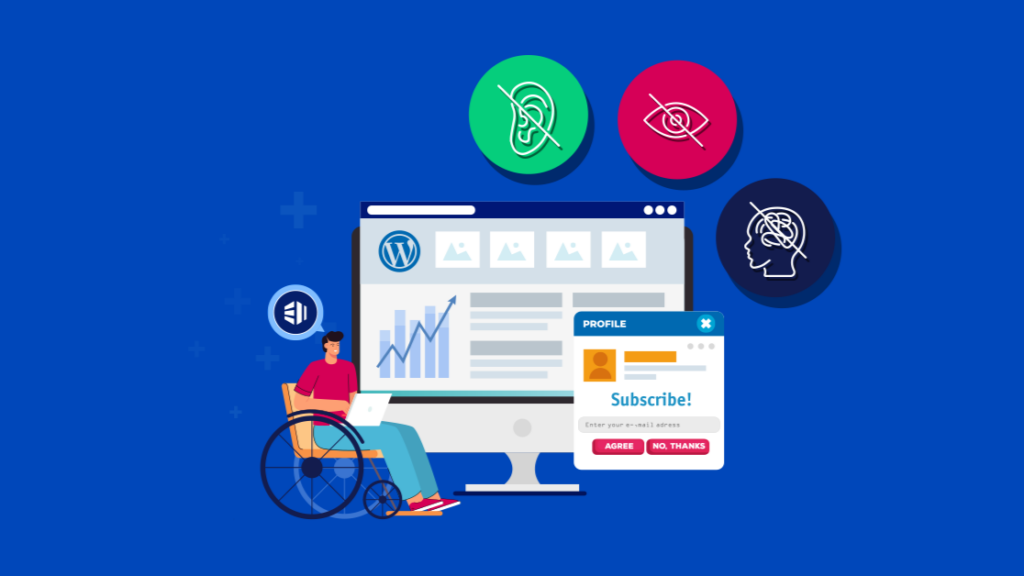
Introduction: Why “WordPress Reads Accessible Data” Matters
When people talk about building a website, they usually focus on design, speed, or SEO. But there’s a deeper layer that often gets overlooked—accessibility.
Accessibility isn’t just about compliance. It’s about making sure your website can be understood, navigated, and used by everyone, including people with disabilities, screen readers, and assistive technologies.
This is where the concept of “WordPress reads accessible data” becomes critical.
At its core, accessibility in ワードプレス means your content is structured in a way that machines—and humans—can interpret correctly. If your site communicates clearly through code, then screen readers can “read” your content properly, and users can fully interact with your site.
Let’s break this down in a practical, easy-to-understand way.
What Does “WordPress Reads Accessible Data” Actually Mean?
When we say WordPress reads accessible data, we’re not talking about WordPress “reading” content like a human. Instead, we’re talking about how WordPress outputs structured, semantic HTML that can be interpreted by:
- Screen readers
- Voice navigation tools
- Keyboard-only users
- Accessibility APIs
簡単に言うと:
Your website isn’t just for humans—it’s also for machines that help humans.
If your site uses proper headings, labels, alt text, and semantic structure, then assistive technologies can accurately interpret your content.
Why Accessibility Is No Longer Optional
Accessibility used to be considered a “nice-to-have.” Today, it’s essential.
Here’s why:
1. Legal Compliance
Many countries enforce accessibility standards (like WCAG). Failing to comply can lead to legal risks.
2. Larger Audience Reach

Millions of users rely on assistive technologies. If your site isn’t accessible, you’re losing potential customers.
3. SEO Benefits
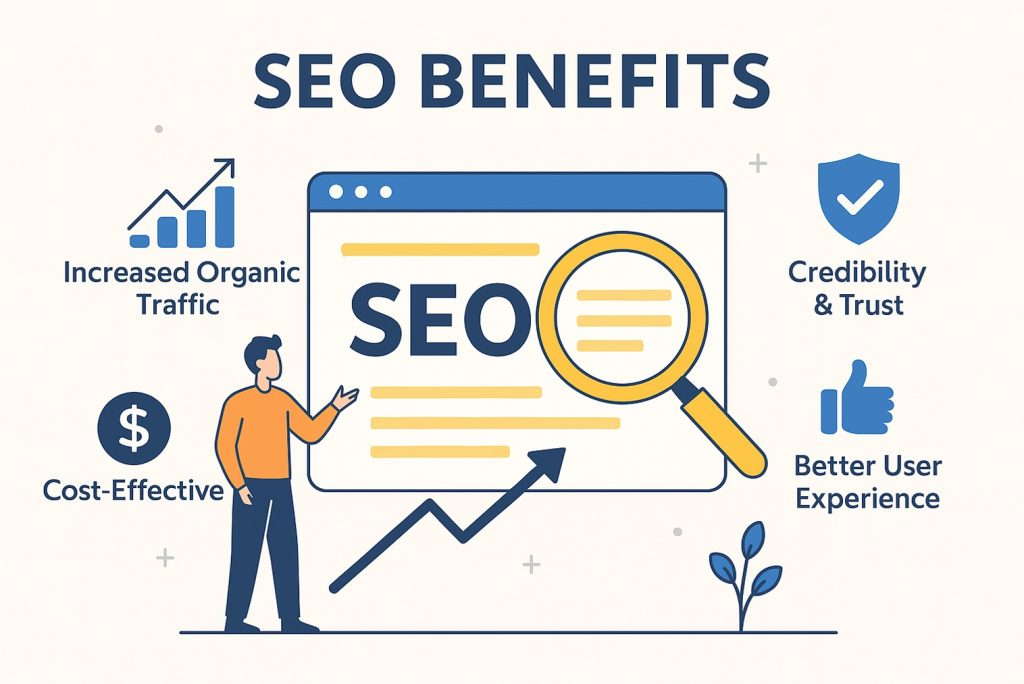
Search engines also rely on structured data—just like screen readers. Accessibility improvements often lead to better rankings.
4. Better User Experience
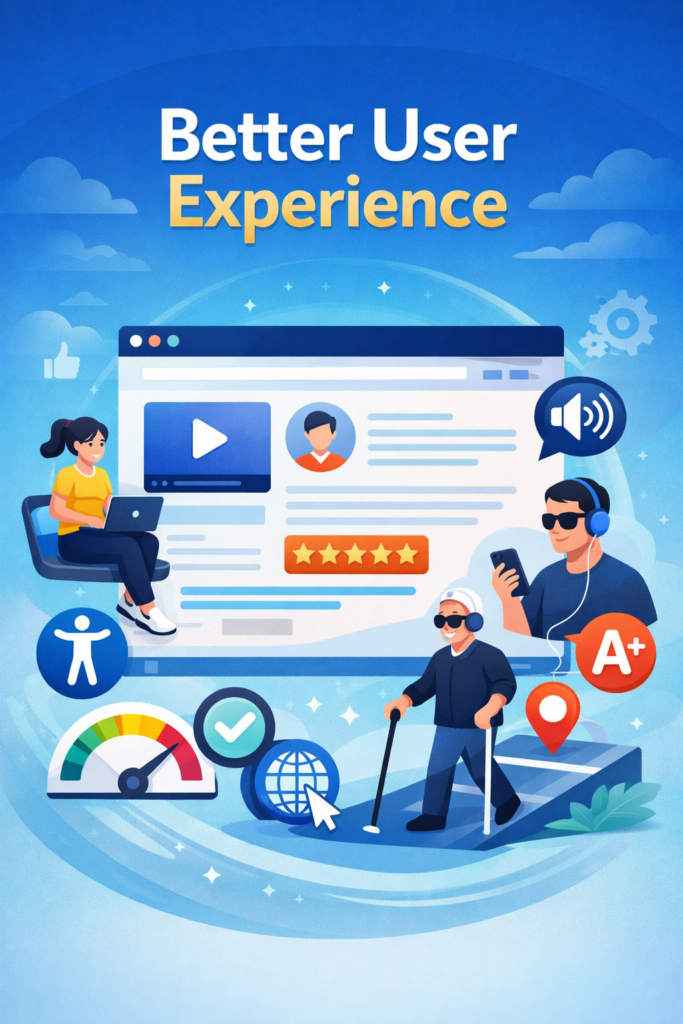
Accessible websites are usually cleaner, clearer, and easier to navigate for everyone.
How WordPress Supports Accessibility by Default
One of the reasons WordPress is so powerful is that it already includes many accessibility-friendly features out of the box.
1. Semantic HTML Structure
WordPress uses proper HTML elements like:
<header><nav><main><article><footer>
These help screen readers understand page structure.
2. Accessible Themes
Many WordPress themes are labeled “accessibility-ready.” These themes follow strict guidelines to ensure usability.
3. Built-in Media Handling
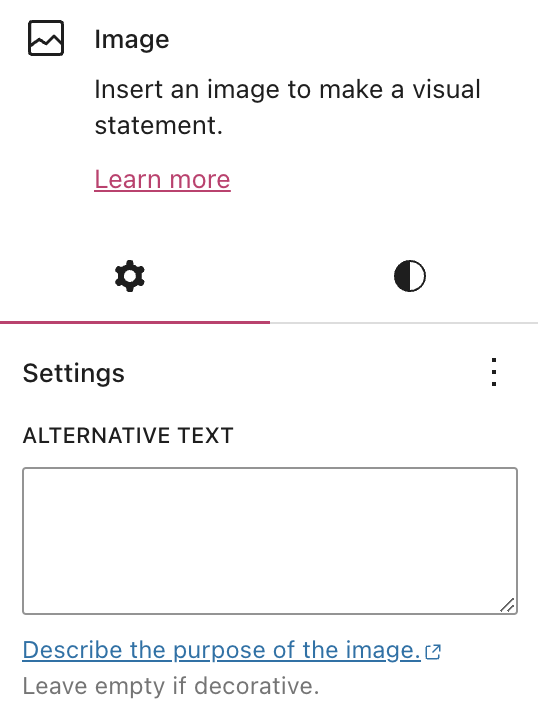
When uploading images, WordPress prompts you to add:
- Alt text
- Titles
- Captions
This is critical for screen readers.
4. Keyboard Navigation Support
WordPress dashboards and many themes allow navigation without a mouse.
Key Elements of Accessible Data in WordPress
To truly understand how WordPress reads accessible data, you need to focus on the building blocks.
1. Headings (H1–H6)
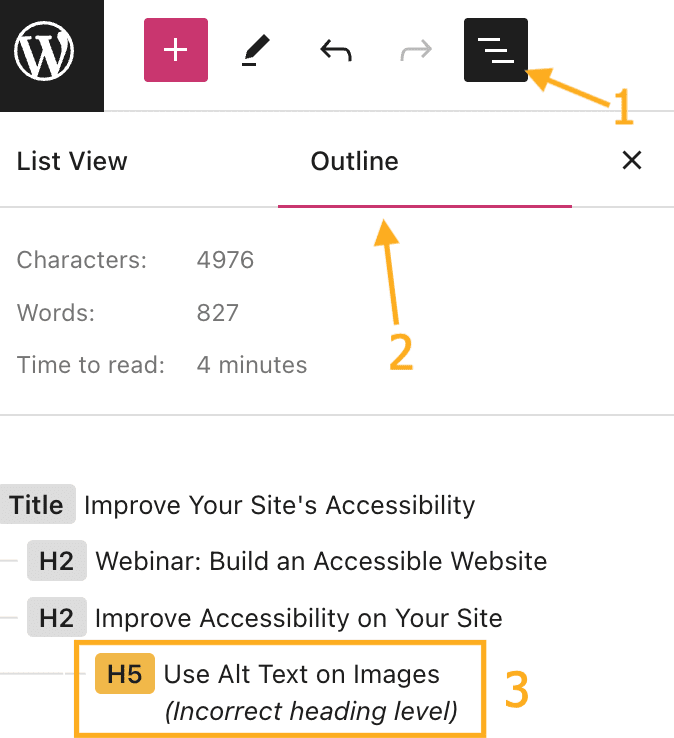
Headings create a logical structure for your content.
Bad example:
- Using headings only for styling
Good example:
- H1 = Page title
- H2 = Sections
- H3 = Subsections
Screen readers rely heavily on this structure.
2. Alternative Text (Alt Text)
Every image should include meaningful alt text.
Bad:
- “image1.jpg”
Good:
- “Modern kitchen interior with wooden cabinets and warm lighting”
This allows visually impaired users to understand visual content.
3. Link Descriptions
Avoid vague links like:
- “Click here”
Instead use:
- “Learn more about accessible WordPress design”
This gives context when links are read aloud.
4. Forms and Labels
Forms must include proper labels:
- Input fields should have associated
<label>tags - Error messages should be clear and descriptive
Without this, users relying on assistive tech may not be able to complete forms.
5. Color Contrast
Text must be readable against its background.
Low contrast = inaccessible
High contrast = readable for all users
This impacts users with visual impairments or color blindness.
How Screen Readers Interact with WordPress
Let’s simplify how assistive tools actually “read” your website.
When a screen reader scans your page, it doesn’t see design—it sees:
- HTML構造
- Text hierarchy
- Metadata
- ARIA labels
If your site is well-structured, the screen reader can:
- Jump between headings
- Read content in logical order
- Describe images
- Identify navigation menus
If not, the experience becomes confusing or unusable.
Common Accessibility Mistakes in WordPress Sites
Even though WordPress supports accessibility, many websites still fail due to poor implementation.
1. Using Divs Instead of Proper Tags
Developers sometimes replace semantic elements with generic <div> blocks.
2. Missing Alt Text
Images without alt text are invisible to screen readers.
3. Overcomplicated Design
Too many animations, popups, or overlays can break accessibility.
4. Poor Mobile Responsiveness
Accessibility also includes usability across devices.
5. Ignoring Keyboard Navigation
If users can’t tab through your site, it’s not accessible.
How to Improve Accessibility in WordPress
If you want WordPress to truly “read accessible data,” here’s what you should do:
1. Choose the Right Theme
探す:
- Accessibility-ready certification
- Clean structure
- Minimal unnecessary effects
2. Use Accessibility Plugins
Tools can help identify issues like:
- Missing alt text
- Low contrast
- Broken labels
3. Structure Your Content Properly
Always think in hierarchy, not just visuals.
4. Test with Real Tools
試す:
- Screen readers
- Keyboard navigation
- Accessibility checkers
5. Optimize Media Content
Images, videos, and icons should all include descriptive metadata.
Accessibility and SEO: A Hidden Connection
Here’s something many people don’t realize:
Accessibility and SEO are deeply connected.
Search engines “read” your site similarly to screen readers.
あなたのサイトが:
- Uses proper headings
- Includes alt text
- Has clean structure
Then it becomes easier for search engines to understand your content.
This leads to:
- Better indexing
- Higher rankings
- ユーザーエンゲージメントの向上
The Future of Accessible Web Design
Accessibility is not a trend—it’s the future.
As technology evolves, more users rely on:
- Voice assistants
- AI readers
- Smart devices
Websites that fail to provide accessible data will fall behind.
WordPress continues to improve in this area, but the responsibility still lies with:
- Designers
- コンテンツクリエイター
- Site owners
Final Thoughts: Accessibility Is Good Design
At the end of the day, accessibility is not just about rules—it’s about respecting users.
When your website is accessible:
- More people can use it
- Your brand feels more professional
- Your conversions improve
And most importantly, your content becomes truly universal.
About Our Work
If you’re building a website for cross-border business, accessibility becomes even more important—because your audience is global.
We focus exactly on this.
から ワードプレス そして Shopify website design to conversion-focused layouts and international user experience, we help brands create websites that are not only visually appealing—but also structured, readable, and accessible.
If you’re looking to improve how your site communicates, performs, and converts, feel free to explore what we do at エアサン.

WordPressのウェブサイトや、完全なeコマースシステムを備えたコーポレートサイトをデザイン・構築します。.
価格帯$200.00~$2,500.00custom-requirements-or-special-quotations
元価格は$2.00。.$1.00現在の価格は$1.00。. WordPress の電子商取引ストアに 50 個のプラグインは多すぎますか?
WordPressのeコマースサイトに50個のプラグインがあるからといって、それが自動的に問題になるわけではありません。実際、数だけでパフォーマンスが決まることはほとんどありません。.

Amazonホーム理学療法機器のメイン画像デザイン解説
はじめにAmazonで家庭用治療器の信頼できるイメージを構築する Amazonで家庭用治療器のメインイメージをデザインする際、私たちが最も重視するのは...
Amazon リップスティックコンバージョンのメイン画像デザイン
はじめにアマゾンで売れる口紅のメイン画像をデザインする アマゾンの口紅のメイン画像をデザインするとき、私たちの責任は...

ハッカーがWordPress管理者のメールアドレスを盗む方法(そしてそれを阻止する方法)
WordPressの管理者メールアドレスは、あなたが思っている以上に公開されているのです。ハッカーはそれが大好きです。彼らにとって、あなたの...
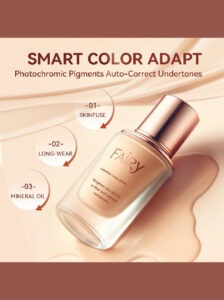
Amazonのリキッドファンデーションのメイン画像がコンバージョンにつながる理由
はじめに Amazonリキッドファンデーションのメイン画像デザインは、単に商品を美しく見せるだけではありません。Amazonでは、メイン画像と….
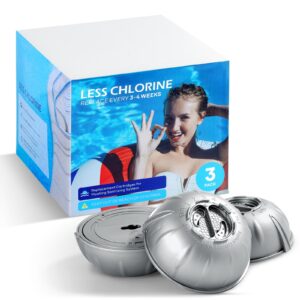
フィルターカートリッジの効果的なAmazonメインイメージのデザイン
はじめに Amazonのメイン画像をデザインする上で、商品を魅力的に見せることは決して重要ではありません。明確さ、信頼性、そして瞬時に理解できることが何よりも重要です。特に….
WordPress へのリプレイ攻撃: 本当の脅威か、それとも誇張された神話か?
まず最初に明確にしておきましょう。リプレイ攻撃は見た目には怖くありません。パスワードを破壊したり、緑色のハッカーテキストが飛び交うような悪質なコードを挿入したりもしません。彼らは狡猾なのです…。.
WordPressページを何も壊さずに複製する方法
正直に言って、新しいページを作りたくない時もあるでしょう。同じページを少しだけ変えたいだけなのに。レイアウトもブロックも設定も全部同じ。なぜなら….
ペット向けWordPressテーマ5選を比較
はじめに ペット関連のWordPressテーマを適切に選ぶことは、単なるデザイン上の決定ではありません。使いやすさ、拡張性、そして長期的なビジネスの成長に直接影響します。ペットケアとペット...
5つの水着eコマーステーマを比較
はじめに 水着やランジェリーの独立ストアに適切なテーマを選択することは、見た目だけの問題ではなく、コンバージョン率、拡張性、長期的な効果に直接影響します...
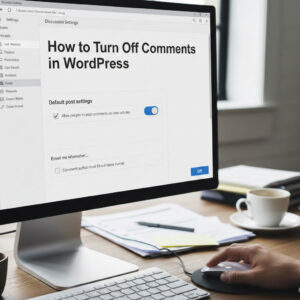
WordPressでコメント機能をオフにする方法(気が狂わずに)
WordPressのコメントについてお話しましょう。理論上は、コメントは素晴らしいものです。議論を促し、コミュニティを築き、ウェブサイトに「活気」を与えてくれます。しかし実際にはどうでしょうか?コメントはしばしば人を惹きつけ….

WordPress 500エラー:ウェブサイトがパニックに陥ったとき
WordPressサイトはほんの少し前までは問題ありませんでした。ページを更新した途端、突然…ドカーン💥…500 内部サーバーエラーが発生してしまいました。説明も謝罪もありませんでした。ただ冷たく、混乱を招くメッセージが表示され、その内容は….
科学主導のブランドのためのスケーラブルなWordPressウェブサイトの構築:AminoUSAプロジェクト
はじめに 今日のデジタル環境において、ウェブサイトは単なる製品リストを掲載する場所ではありません。規制の厳しい業界や研究重視の業界で事業を展開する科学主導のブランドにとって、ウェブサイトは….
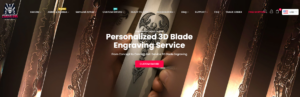
グローバルブレードブランドのためのスケーラブルなShopifyストアの構築:CoolKatanaプロジェクト
はじめに 越境電子商取引において、Shopify の Web サイトは単なる店舗ではありません。ニッチで文化主導のカテゴリーで活動するブランドにとって、Web サイトは単なる店舗以上のものを実現する必要があります...
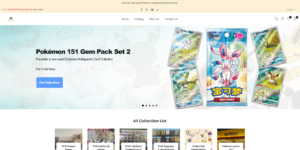
ポケモンカード向け高コンバージョンShopifyストアの設計
はじめに 収集可能な電子商取引の世界、特にポケモン トレーディング カード ゲーム (TCG) 市場では、Web サイトは単に製品をリストするだけでは不十分です。...
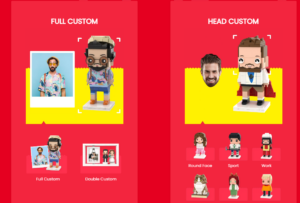
カスタムレンガブランドのための高コンバージョンShopifyデザイン
はじめに 今日の競争の激しいeコマース市場、特にパーソナライズされたギフトやコレクターズアイテムの分野では、Shopifyのウェブサイトは商品を展示する以上の機能を提供する必要があります。それは….
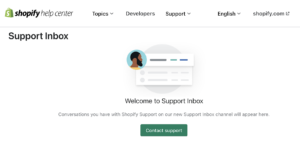
Shopifyサポートへの問い合わせ方法:シンプルでストレスフリーなガイド
Shopifyストアの運営は、混乱するのではなく、ワクワクするものであるべきです。疑問が生じたり、問題が発生して作業が滞ったりした場合でも、Shopifyは状況に応じて複数のサポートパスをご用意しています。.
Shopifyストアを非アクティブ化する方法:分かりやすく実践的なガイド
Shopifyストアの無効化はそれほど複雑ではありませんが、多くのマーチャントが見落としている影響があります。このガイドでは、そのプロセスを分かりやすく解説します。.