










Giỏ hàng hiện không có sản phẩm nào.
Trong các thị trường có tính cạnh tranh cao như Ozon, shoppers do not read first—they scan. A product’s main image set must communicate function, value, and usability within seconds, especially in the phone accessories category, where products often look similar at first glance.
For this phone holder, our design goal was clear: use structured, step-by-step visuals to instantly explain versatility, stability, and ease of use, while maintaining a clean, friendly, and trustworthy aesthetic that resonates with Ozon’s audience.
Rather than relying on abstract lifestyle storytelling, we focused on functional clarity. Every image in this set serves a specific role in guiding the customer from awareness to confidence. Below, we break down the design logic behind each image and explain how visual hierarchy, layout, color, and information density work together to improve click-through and conversion.
| Thời gian giao hàng | Loại | Nền tảng ứng dụng |
| 8 ngày | phone holder | Ozon |
| Các nhà thiết kế tham gia | Trị giá | Tác dụng |
| Lin Zhang | $150 | Sales📈260% |
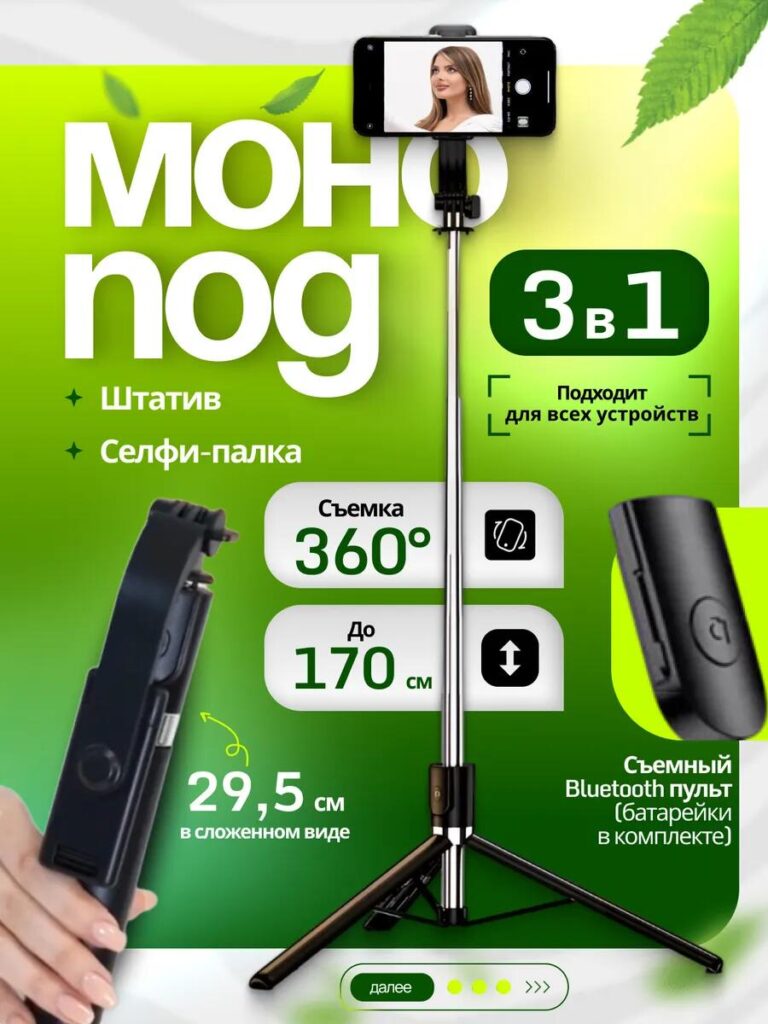
The first image functions as the visual anchor of the entire listing. We positioned the phone holder fully extended and centered, ensuring the product is clearly visible without cropping. This immediately communicates scale, structure, and completeness.
Large typography highlights the “3-in-1” concept because multifunctionality is the product’s strongest competitive advantage. Instead of listing features in long text, we used short, bold labels paired with icons to make the information readable even on small screens.
Key specifications—such as 360° rotation, adjustable height up to 170 cm, and compact folded length—appear in clearly separated visual blocks. This modular layout helps shoppers quickly absorb technical details without feeling overwhelmed. The green gradient background adds freshness and energy while maintaining contrast for white text, ensuring excellent readability on mobile devices.
This image answers the buyer’s first question immediately: What is this product, and why should I click?
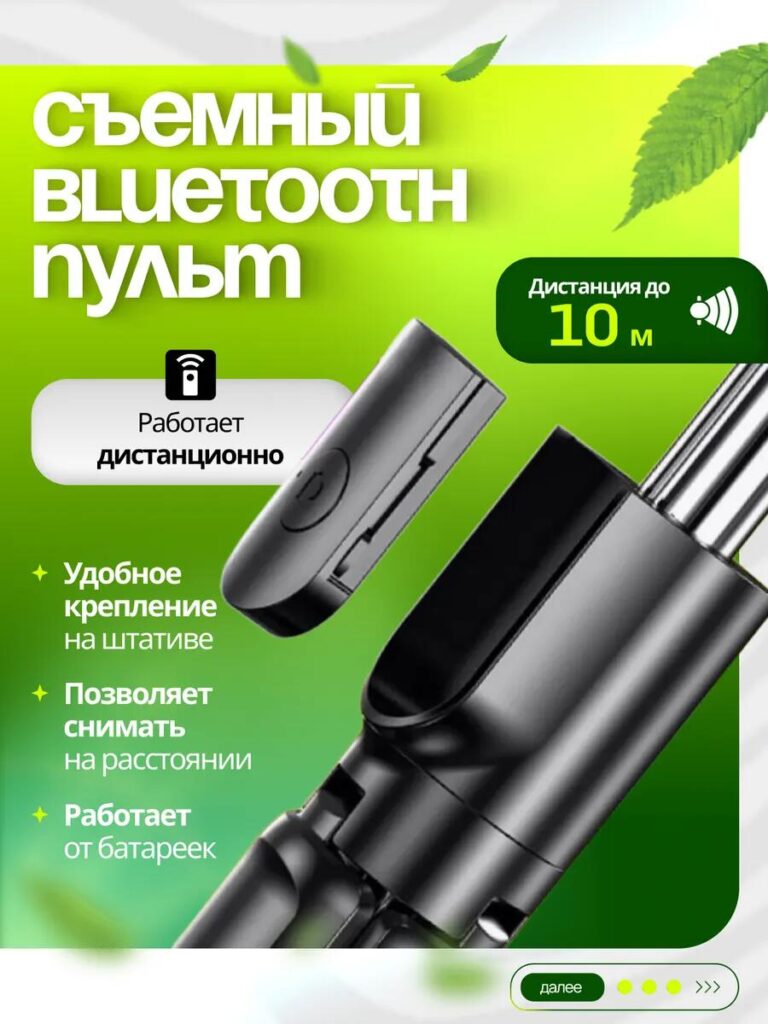
The second image zooms in on the detachable Bluetooth remote, one of the product’s most practical features. Instead of showing it as a small accessory, we enlarged it and placed it next to the stand to visually reinforce that it is included, not optional.
We designed this image to communicate freedom and convenience. Clear callouts explain that the remote works wirelessly, operates up to 10 meters, and runs on batteries. These details remove common buyer doubts, such as compatibility or setup complexity.
By isolating the remote on a clean background and pairing it with simple icons, we made the feature feel intuitive and reliable. This image is especially important for content creators, solo travelers, and users who take group photos, as it highlights hands-free operation without technical jargon.
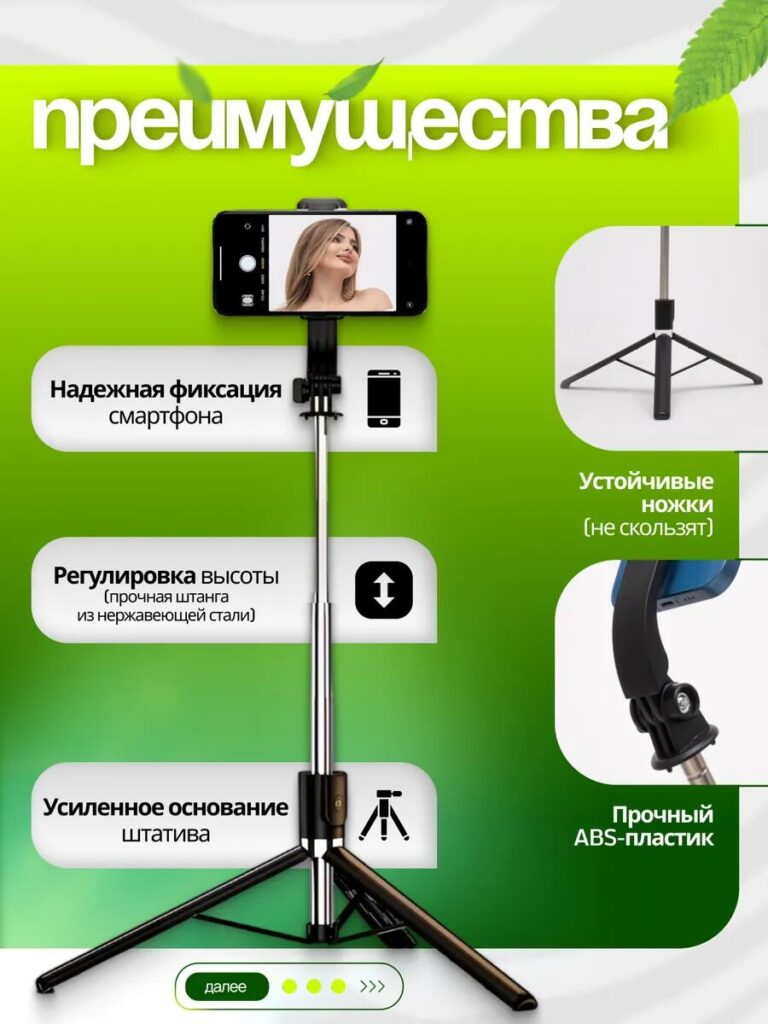
Trust is critical when selling phone holders, especially tall or adjustable ones. In the third image, we focused on structural reliability.
We visually separated each physical advantage: strong smartphone grip, reinforced tripod base, height adjustment mechanism, and durable ABS plastic components. Close-up shots help users see material quality and construction details that are often hard to judge online.
The layout follows a vertical reading path, guiding the eye naturally from top to bottom. Each benefit is paired with a concise explanation, reinforcing that the product is not just flexible, but also stable and safe for expensive smartphones.
This image reassures buyers that the stand will not wobble, tip over, or damage their device.
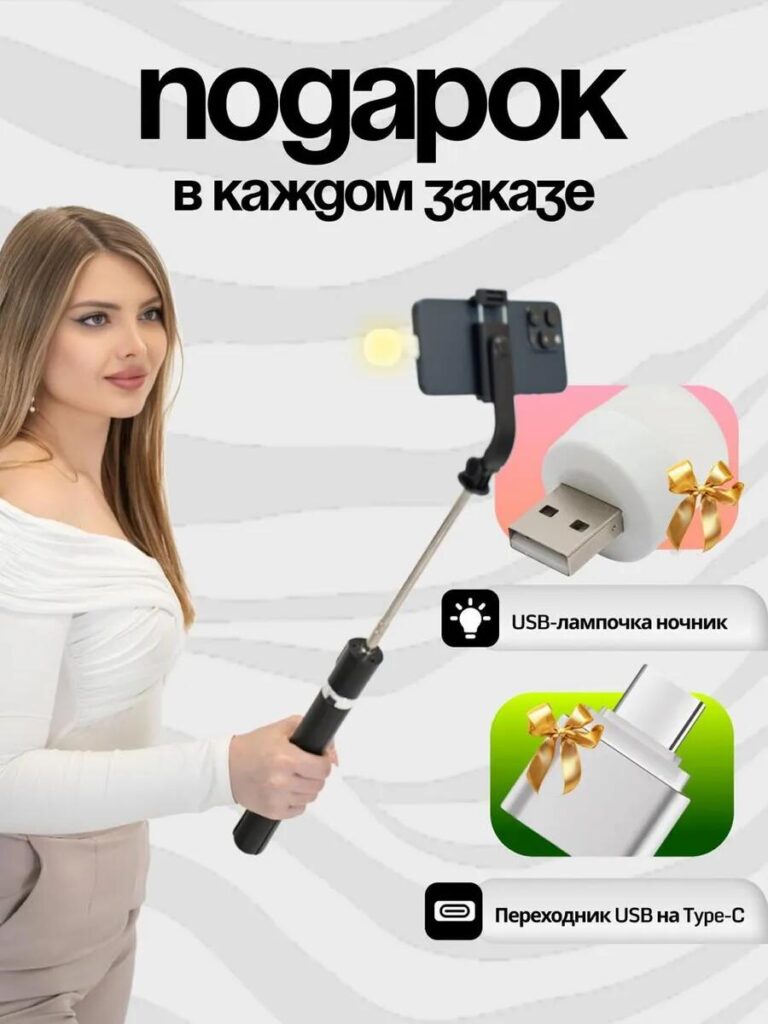
The fourth image introduces bonus accessories included with every order, such as a USB lamp and a USB-to-Type-C adapter. From a design perspective, this image is not about features—it is about value perception.
We deliberately used a softer background and lifestyle composition featuring a model to add emotional appeal. The gift icons and ribbon graphics clearly signal that these items come at no extra cost, triggering a positive psychological response.
This image helps reduce purchase hesitation by making the offer feel more generous. It also differentiates the listing from similar products that do not include accessories, even if the base price is similar.
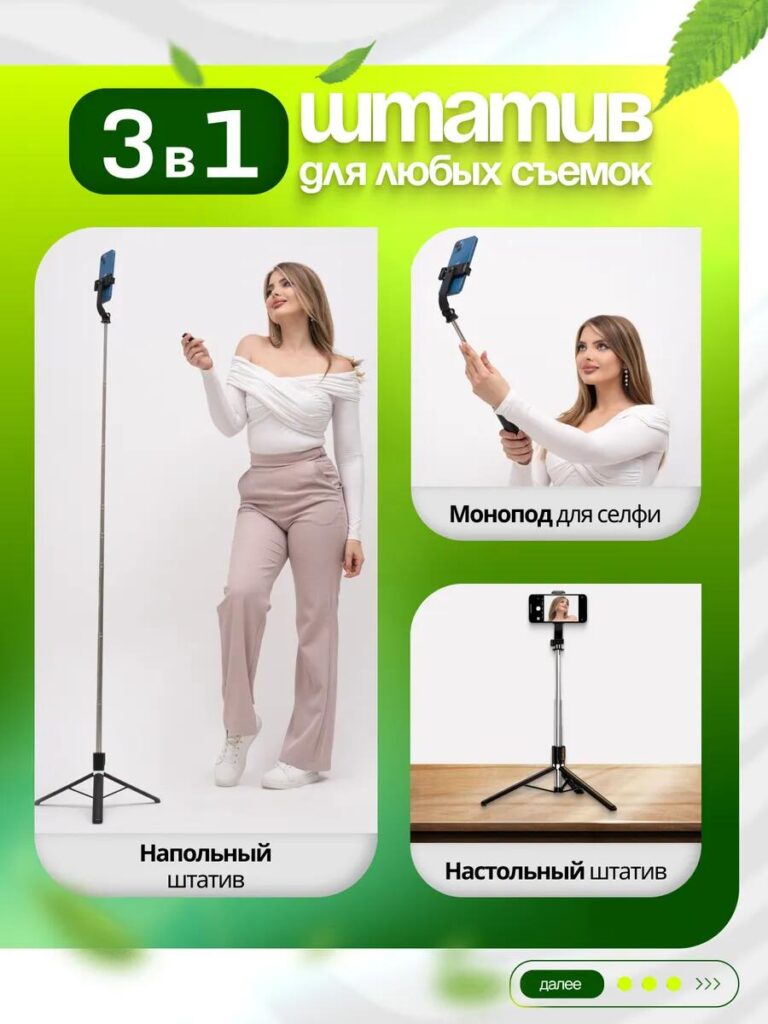
This image visually explains the three main usage modes: floor tripod, selfie stick, and tabletop stand. Rather than describing these modes in text, we showed them side by side to make the transformation instantly understandable.
We used consistent framing and spacing to keep the composition clean. Each mode is labeled clearly, ensuring shoppers immediately grasp how the product adapts to different environments—home, travel, work, or content creation.
This image is especially effective for users who need one device for multiple purposes, reinforcing the idea that they do not need to buy separate accessories.
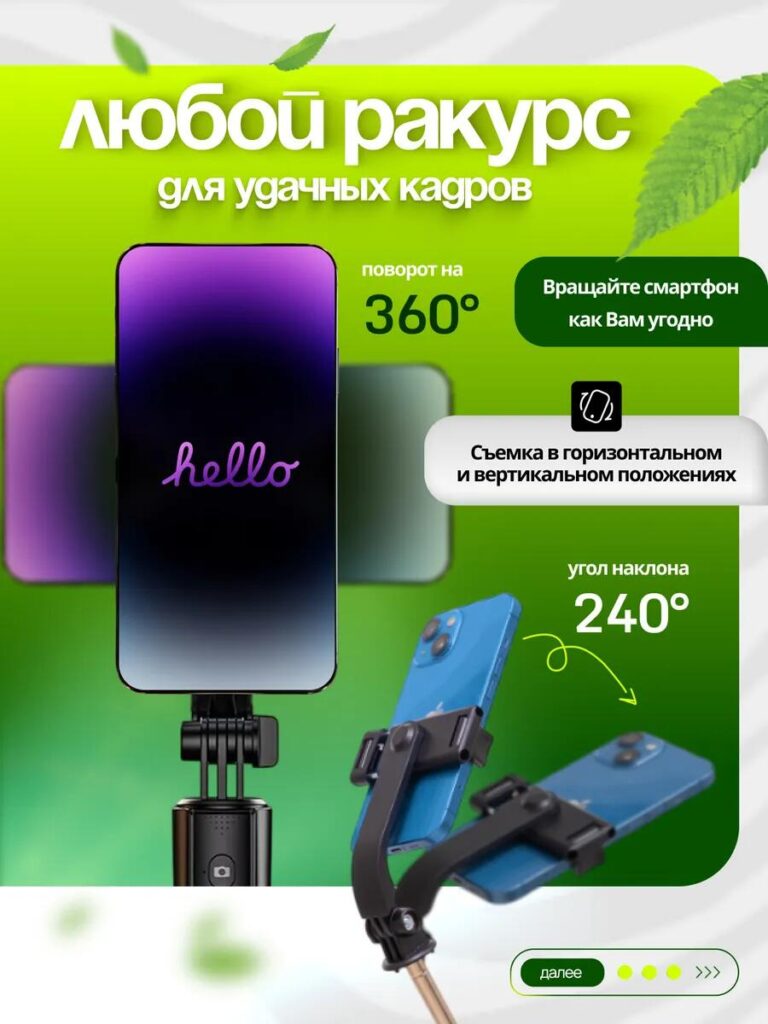
The sixth image focuses on movement and adjustability, two features that are difficult to convey through words alone.
By visually demonstrating 360° rotation and a 240° tilt angle, we allow users to imagine how they can frame shots in both vertical and horizontal orientations. Arrows and motion indicators guide the viewer’s understanding without cluttering the design.
This image appeals strongly to vloggers, livestreamers, and social media users who need flexible camera angles. It reinforces the product’s role as a creative tool, not just a basic holder.
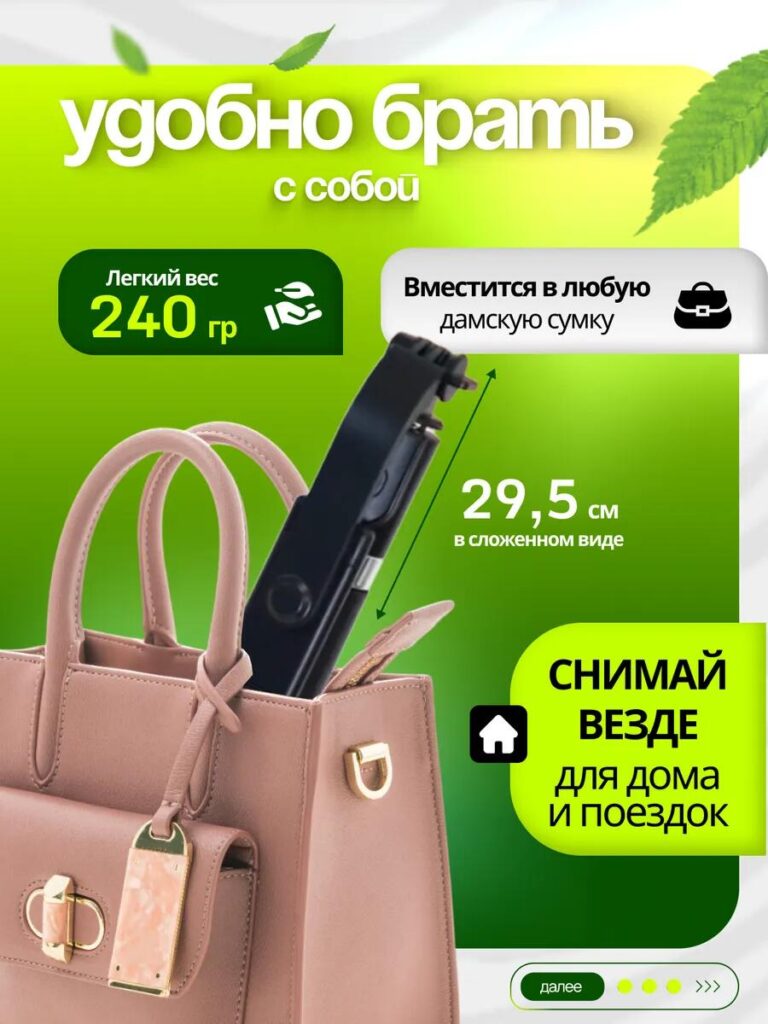
Portability often determines whether a phone stand becomes part of a user’s daily routine. In this image, we showed the product folded and placed inside a handbag to visually confirm its compact size.
Clear measurements and weight indicators communicate that the stand is lightweight and easy to carry. Instead of abstract claims, we used a real-world context that instantly makes sense.
This image reduces friction for buyers who travel frequently or want a stand they can bring anywhere without inconvenience.
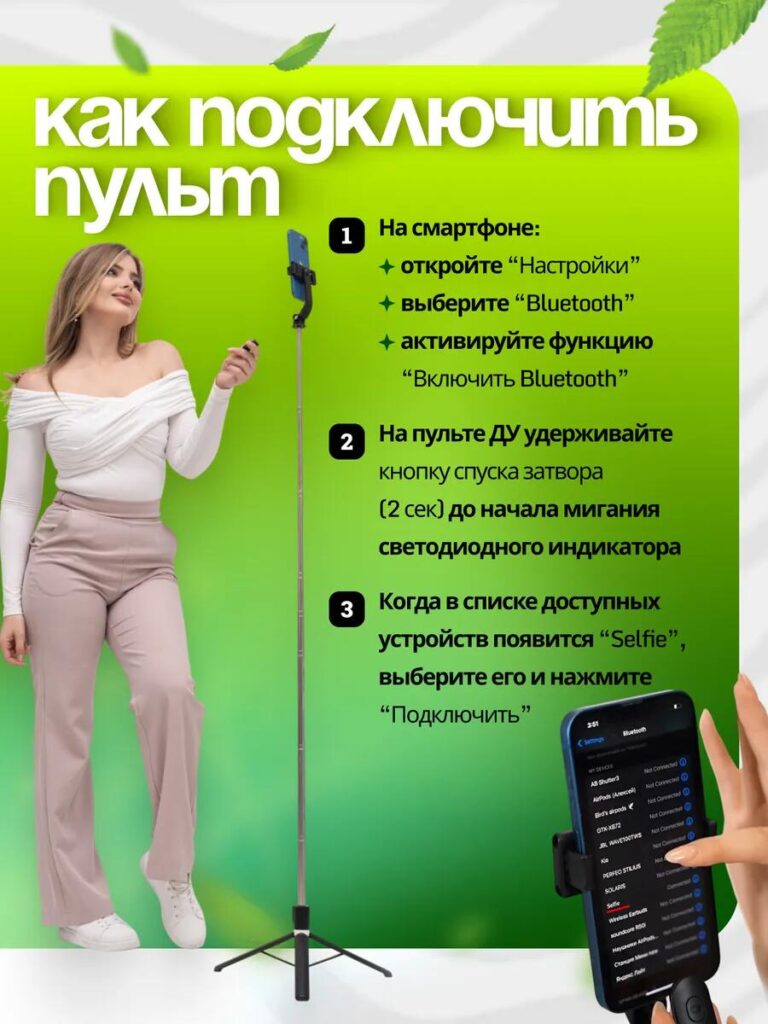
The final image serves an instructional purpose. We included a simple, step-by-step Bluetooth pairing guide to eliminate confusion after purchase.
From a design standpoint, this image builds confidence. It reassures users that setup is quick and easy, even for non-technical customers. Visual numbering and minimal text keep the process clear and approachable.
By addressing usability upfront, this image helps reduce returns, negative reviews, and customer support inquiries—an often overlooked but crucial aspect of high-quality marketplace design.
This main image design follows three core principles:
By combining technical accuracy with visual simplicity, this design turns a functional product into an easy decision for the buyer.
Hiệu quả Ozon main image design is not about adding more text or flashy graphics—it is about strategic visual communication. For this phone holder, we used a clear narrative structure, consistent styling, and feature-driven layouts to maximize trust and conversion.
This approach reflects the same methodology we apply across cross-border e-commerce platforms: understanding user behavior first, then designing visuals that remove doubt and highlight value.
If you are looking to improve product performance through professional, platform-optimized visual systems, this is exactly the type of design thinking we apply at AIRSANG.