











소개
When people ask, “how much does WordPress cost?”, they usually expect one simple number. The confusing part is that WordPress itself can be free, but a real website built with WordPress is rarely completely free. The final cost depends on what kind of website you want, how much customization you need, who builds it, and how much support you expect after launch.
A basic WordPress website can be very affordable if you handle the setup yourself. A professional business website usually costs more because it needs better design, stronger performance, reliable security, and clear conversion paths. Custom WordPress websites commonly fall into a broad range, from a few thousand dollars to tens of thousands of dollars, depending on scope and complexity. WP Creative’s 2026 guide places many professional WordPress builds between $3,000 and $35,000, with enterprise projects going beyond $50,000.
Why WordPress Pricing Can Be Confusing
WordPress is open-source software, which means you can download and use the core platform without paying a license fee. That is why many people assume WordPress is free. Technically, the software is free. Practically, a website needs more than software.
A working WordPress website usually needs a domain name, hosting, a theme, plugins, design work, content, security, backups, performance optimization, and ongoing maintenance. Some of these costs are small. Others can become significant if your website needs advanced features.
There is also a difference between WordPress.org and WordPress.com. WordPress.org is the self-hosted version. You choose your own hosting, install WordPress, and control the site fully. WordPress.com is a hosted platform with plans that bundle hosting and website tools together. WordPress.com’s paid plans vary by feature level, and higher plans allow more customization such as custom plugins and themes.
For business owners, the better question is not only “How much does WordPress cost?” A more useful question is: “What type of WordPress website do I need, and what costs are required to support it properly?”
The Main Factors That Affect WordPress Cost
A simple brochure-style website costs less than a custom eCommerce website. A small blog costs less than a membership platform. A five-page local business site costs less than a site with booking, multilingual pages, payment systems, customer dashboards, and CRM integrations.
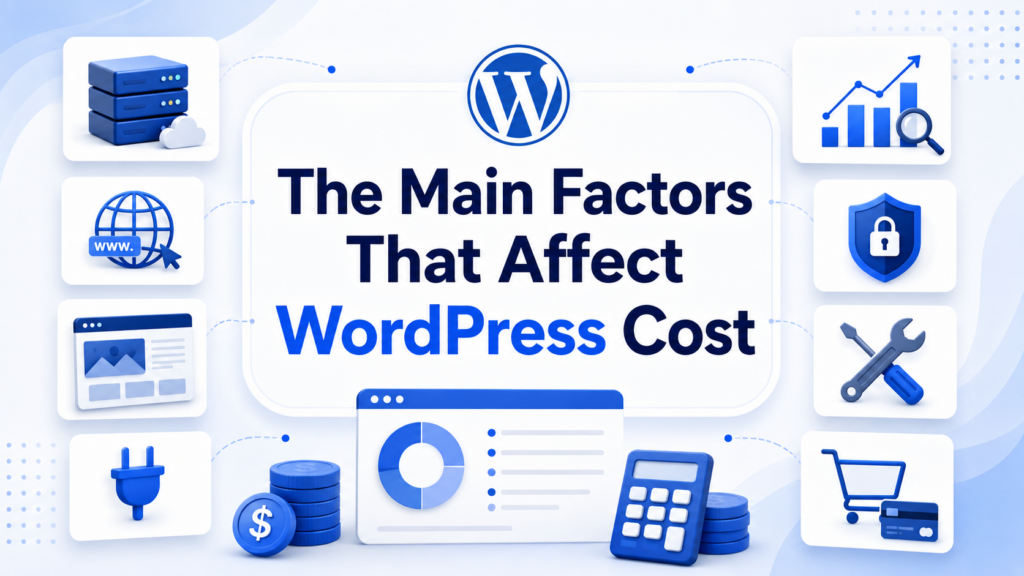
The biggest cost factors usually include website size, design complexity, custom functionality, content needs, plugin requirements, hosting quality, performance goals, SEO setup, and ongoing support.
A DIY WordPress website may only require basic hosting, a domain, and a theme. But a professional website involves planning, structure, custom design, responsive layouts, copywriting, testing, optimization, and maintenance. That is where the budget increases.
Domain Name Cost
Your domain name is your website address. For example, it is the name people type into a browser to visit your website. A standard domain often costs around $10 to $50 per year, depending on the extension and registrar. Some premium domains can cost much more if they are short, memorable, or already owned by someone else.
For most businesses, the domain is one of the smallest WordPress costs. However, it is still important. A clean, easy-to-remember domain supports branding, trust, and search visibility.
Hosting Cost
Hosting is where your WordPress website lives. It affects speed, uptime, security, and the overall user experience. Cheap hosting can work for very small sites, but it may become a problem when traffic grows or when the site needs better performance.
Entry-level shared hosting can start with very low promotional prices, sometimes around a few dollars per month, but renewal prices are often higher. Forbes notes that shared hosting can begin around $2 per month through introductory offers and later rise to around $10 to $20 per month after promotions end.
For a serious business website, managed WordPress hosting is often a better choice. It usually includes better performance, automatic updates, support, backups, and security tools. Managed hosting may cost anywhere from around $20 to $150+ per month, depending on the provider and traffic needs. Larger or high-traffic sites may spend more.
Theme Cost
A WordPress theme controls the basic look and layout of your website. You can use a free theme, buy a premium theme, or build a custom theme.
Free themes are useful for basic websites, but they may offer limited design flexibility. Premium themes often cost around $40 to $100, although prices vary by marketplace and developer.
A premium theme can reduce design cost because it gives you a ready-made foundation. However, it can also create limitations if your brand needs a very specific visual style. A custom design costs more because it is built around your brand, content, buyer journey, and conversion goals.
Plugin Cost
Plugins add features to WordPress. Contact forms, SEO tools, security systems, caching tools, booking calendars, page builders, payment gateways, popups, multilingual systems, and eCommerce tools often rely on plugins.
Many plugins have free versions. Premium plugins may cost anywhere from $20 to several hundred dollars per year. A simple business website may only need a few paid plugins. A complex site may require many premium tools.
Plugin cost also depends on renewals. Some plugins charge yearly fees for updates and support. If your website depends on paid plugins, you should include renewal fees in your annual budget.
The key is not to install too many plugins. More plugins can create performance issues, update conflicts, and security risks. A good WordPress setup uses only the tools that are truly necessary.
Design and Development Cost
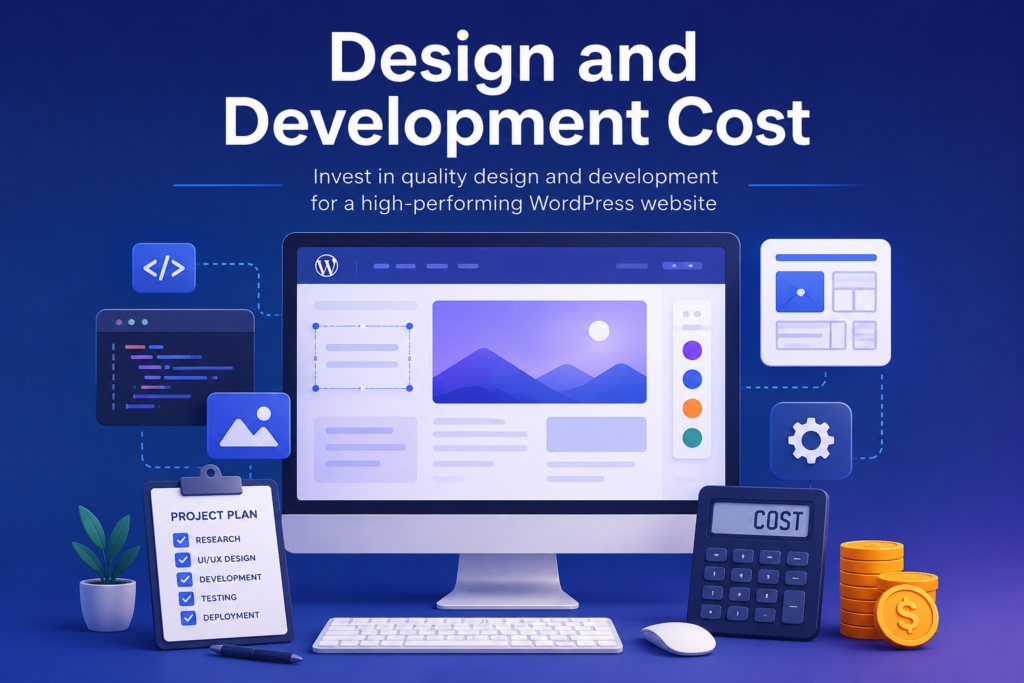
This is usually the largest part of the WordPress budget. Design and development costs depend on who builds the website and how custom the work is.
A DIY build can cost very little in cash, but it requires your time. A freelancer may charge less than an agency, but the quality and support level can vary. A professional agency usually costs more because the project may include strategy, design, development, SEO structure, mobile optimization, quality assurance, and project management.
A basic small business WordPress website might cost a few thousand dollars. A more polished custom website may cost $5,000 to $15,000+. Larger websites with custom features, integrations, advanced animations, product systems, membership areas, or eCommerce functions can move into the $20,000 to $50,000+ range. WP Creative’s article also explains that professional WordPress costs vary widely because each build has different design, functionality, hosting, plugin, and maintenance needs.
Content Cost
Many people forget to budget for content. A website is not only a design project. It also needs words, images, product descriptions, service pages, calls to action, FAQs, blog posts, case studies, testimonials, and sometimes video.
If you write all the content yourself, the cost may be low. If you hire a copywriter, photographer, video editor, or SEO content specialist, the budget increases.
Content matters because it affects trust and conversions. A beautiful website with weak messaging may not generate leads. A simple website with clear content can often perform better than a visually impressive site that does not explain the offer well.
eCommerce Cost
If you want to sell products through WordPress, you will likely use WooCommerce. WooCommerce itself is free, but the total eCommerce setup can become more expensive.
An online store may need product pages, checkout customization, shipping rules, tax settings, payment gateways, inventory systems, email automation, coupons, product filters, subscriptions, or customer account features.
A small WooCommerce store may cost less if the structure is simple. A larger store with many products, custom checkout flows, and third-party integrations can cost much more.
You should also consider payment processing fees. These are not WordPress fees directly, but they are part of running an online store.
SEO Cost
WordPress is SEO-friendly, but that does not mean every WordPress site automatically ranks well. SEO work may include keyword research, page structure, metadata, internal linking, schema markup, technical cleanup, speed optimization, image optimization, and content planning.
Basic SEO setup may be included in a professional website build. Ongoing SEO is usually a separate monthly investment. If your business depends on organic traffic, SEO should not be treated as an optional extra.
A website built without SEO planning may need expensive fixes later. It is usually better to create clean page structures, optimized headings, fast-loading pages, and search-friendly content from the beginning.
Security Cost
WordPress is popular, which also makes it a common target for attacks. Security costs may include SSL, firewall protection, malware scanning, login protection, backups, and plugin updates.
Many hosting providers include a free SSL certificate. However, stronger security may require paid tools or professional maintenance. If your site handles payments, customer accounts, or sensitive information, security becomes even more important.
Security is not only about avoiding hacks. It also protects your search rankings, customer trust, and business reputation.
Maintenance Cost
A WordPress website needs regular maintenance. Themes, plugins, and WordPress core all need updates. Backups should be checked. Broken links should be fixed. Forms should be tested. Security should be monitored. Performance should be reviewed.
Maintenance can be inexpensive if you handle it yourself. Professional maintenance can range from small monthly plans to high-level support retainers. Codeable’s 2026 maintenance pricing guide explains that WordPress maintenance can range from around $30 to $5,000+ per month, depending on whether the service is basic automated updating or deeper hands-on support.
For a typical small business website, monthly maintenance may be much lower than enterprise-level support. But ignoring maintenance can become expensive if the site breaks, gets hacked, loses speed, or stops converting visitors.
Performance Optimization Cost
Website speed affects user experience, SEO, and conversions. A slow WordPress website can lose visitors before they even read the page.
Performance optimization may include better hosting, caching, image compression, database cleanup, code optimization, CDN setup, and plugin reduction. Some of this can be handled with tools. More complex performance work may require a specialist.
If your website is simple, basic optimization may be enough. If your site has many pages, products, scripts, videos, or plugins, performance work becomes more important.
Custom Features and Integrations
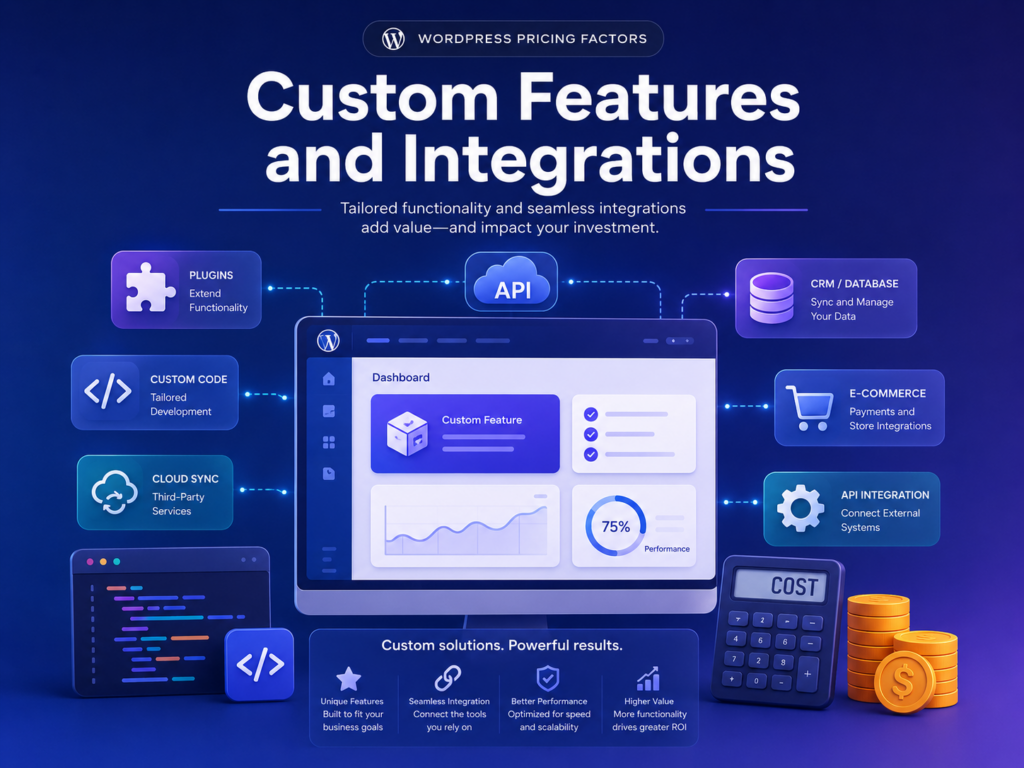
Custom functionality is one of the biggest reasons WordPress costs increase. Examples include booking systems, membership portals, learning platforms, advanced forms, calculators, directories, dashboards, CRM integrations, ERP integrations, custom product builders, multilingual systems, and API connections.
Each custom feature adds planning, design, development, testing, and maintenance. Even if a plugin can provide part of the functionality, it may still need configuration or customization.
Before adding custom features, it helps to ask whether the feature supports a real business goal. A lean, focused website is often better than a complex website full of features that visitors do not use.
DIY vs Freelancer vs Agency
A DIY WordPress website is the cheapest option in direct cost. It works best for blogs, personal projects, early-stage ideas, or very small businesses with limited budgets. The tradeoff is time, learning curve, and possible quality issues.
A freelancer can be a good middle option. Freelancers may offer design, setup, or development at a more affordable rate than agencies. The challenge is that one person may not cover every skill area, such as strategy, UX, SEO, copywriting, speed, and support.
An agency is usually the most expensive option, but it can provide a more complete process. Agencies are better suited for businesses that need strategy, custom design, conversion planning, technical reliability, and ongoing support.
The right choice depends on your budget, timeline, business goals, and how important the website is to your revenue.
Example WordPress Cost Ranges
A very basic DIY WordPress site may cost a few hundred dollars per year if you only pay for hosting, a domain, and a few tools.
A small professional business website may cost around $3,000 to $8,000, depending on design and content needs.
A custom business website may cost around $8,000 to $20,000+ if it includes tailored layouts, stronger branding, SEO structure, and better performance.
A WooCommerce or feature-rich WordPress website may cost $15,000 to $35,000+, especially if it includes product systems, integrations, custom checkout, or advanced design.
An enterprise-level WordPress project can exceed $50,000, especially when it involves complex workflows, high traffic, security requirements, custom integrations, and ongoing optimization.
These numbers are not fixed rules. They are practical planning ranges.
Hidden WordPress Costs to Watch
Some WordPress costs are obvious. Others appear later.
Common hidden costs include premium plugin renewals, theme renewals, hosting renewals after promotional pricing ends, stock images, copywriting, product photography, malware cleanup, emergency fixes, page speed work, SEO improvements, accessibility updates, and redesign work.
Another hidden cost is poor planning. A cheap website that needs to be rebuilt after six months may cost more than a properly planned website from the start.
How to Set a Realistic WordPress Budget
Start by defining the purpose of the website. Is it for credibility, lead generation, eCommerce, bookings, education, or content publishing?
Then list the pages and features you truly need. Separate must-have features from nice-to-have features. This helps prevent scope creep.
Next, decide who will build and maintain the site. If the site is important to your business, do not only compare prices. Compare process, quality, support, communication, and long-term reliability.
Finally, plan both launch cost and ongoing cost. A WordPress website is not a one-time expense. It is a business asset that needs hosting, updates, content, security, and improvements.
So, How Much Does WordPress Cost?
The honest answer is: WordPress can cost very little, or it can become a serious business investment.
If you only need a simple DIY site, your cost may be limited to hosting, domain, and a few tools. If you need a professional business website, expect to invest several thousand dollars. If you need a custom, high-performing website with eCommerce, integrations, or enterprise features, the cost can reach tens of thousands of dollars.
The best way to understand how much does WordPress cost is to look at the full website lifecycle: setup, design, development, content, hosting, plugins, security, maintenance, and growth. WordPress itself may be free, but a successful WordPress website requires the right foundation, clear planning, and ongoing care.
In summary, WordPress pricing depends on your goals. A small website can stay affordable. A professional website requires a larger budget. A complex business platform needs deeper investment. The smartest approach is to budget for what your website must achieve, not just what it costs to launch.
자주 묻는 질문
1. How much does WordPress cost in 2026?
WordPress itself is free to use, but a complete WordPress website usually costs money. You may need to pay for a domain, hosting, themes, plugins, design, development, security, SEO, and maintenance. A simple DIY site can cost very little, while a professional business website may cost several thousand dollars or more.
2. Is WordPress completely free?
The WordPress.org software is free, but running a real website is not always free. You still need hosting and a domain name. If you want premium themes, advanced plugins, custom design, or professional support, those will add to the total cost.
3. What is the biggest WordPress website cost?
For most business websites, the biggest cost is design and development. A basic template-based site costs less, while a custom WordPress website with unique layouts, branding, eCommerce features, or third-party integrations costs much more.
4. How much does WordPress hosting cost?
WordPress hosting can cost a few dollars per month for basic shared hosting. Managed WordPress hosting usually costs more, often around $20 to $150+ per month, depending on speed, storage, traffic, security, and support needs.
5. Do WordPress plugins cost money?
Some WordPress plugins are free, but many advanced plugins require paid plans or yearly renewals. Premium plugins may be needed for SEO, security, forms, booking systems, eCommerce, multilingual websites, caching, or custom functions.
6. Is WordPress worth the cost for a business website?
Yes, WordPress can be worth the cost if you need flexibility, content control, SEO potential, and room to grow. The final value depends on how well the website is planned, designed, optimized, and maintained over time.


완전한 전자상거래 시스템을 갖춘 워드프레스 웹사이트 또는 기업 사이트를 디자인하고 구축하세요.
가격 범위: $200.00~$2,500.00custom-requirements-or-special-quotations
원래 가격: $2.00.$1.00현재 가격: $1.00. 워드프레스 전자상거래 쇼핑몰에 플러그인 50개는 너무 많은 걸까요?
실제 성능에 미치는 영향 이해하기 워드프레스 전자상거래 사이트에 50개의 플러그인이 있다고 해서 자동으로 문제가 되는 것은 아닙니다. 사실 그 숫자만으로 성능이 결정되는 경우는 거의 없습니다....

아마존 가정용 물리치료 기기 메인 이미지 디자인 설명
소개 소개: 아마존에서 홈 테라피 기기의 신뢰할 수 있는 이미지 구축 아마존에서 홈 테라피 기기의 기본 이미지를 디자인할 때 기본 ...

아마존 립스틱 전환을 위한 메인 이미지 디자인
소개: 소개: 아마존에서 판매되는 립스틱 메인 이미지 디자인하기 아마존 립스틱의 메인 이미지를 디자인할 때 우리의 책임은 그 이상입니다.

해커들이 워드프레스 관리자 이메일을 훔치는 방법(그리고 이를 막는 방법)
불편한 진실부터 말씀드리자면, 워드프레스 관리자 이메일은 생각보다 훨씬 더 많이 공개되어 있습니다. 그들은 그것을 좋아합니다. 해커에게 여러분의...

아마존 리퀴드 파운데이션 메인 이미지 변환의 특징은 무엇일까요?
서론 아마존 리퀴드 파운데이션의 메인 이미지 디자인은 단순히 제품을 아름답게 보이게 하는 것만이 아닙니다. 아마존에서 메인 이미지와...

필터 카트리지 제품을 위한 효과적인 아마존 메인 이미지 디자인하기
서론 아마존 메인 이미지 디자인은 단순히 제품을 매력적으로 보이게 하는 것만이 아닙니다. 명확성, 신뢰, 그리고 즉각적인 이해를 제공하는 것이 중요합니다. 특히...

워드프레스에 대한 리플레이 공격: 실제 위협인가, 과장된 신화인가?
먼저 한 가지를 분명히 해두죠. 리플레이 공격은 겉보기에 무섭지 않습니다. 비밀번호를 날려버리지도 않고, 초록색 해커 텍스트가 사방에 흩날리는 악성 코드를 주입하지도 않습니다. 그저 교묘하게 이루어질 뿐입니다.
WordPress 페이지를 손상 없이 복제하는 방법
솔직히 말해봅시다. 때로는 새 페이지를 만들고 싶지 않을 때가 있죠. 그냥 기존 페이지를 약간만 다르게 하고 싶을 때가 있어요. 레이아웃도, 블록도, 설정도 그대로요. 왜냐하면...

반려동물 관련 워드프레스 테마 5가지 비교
서론 반려동물 관련 워드프레스 테마를 선택하는 것은 단순한 디자인 결정 이상의 의미를 지닙니다. 사용성, 확장성, 그리고 장기적인 비즈니스 성장에 직접적인 영향을 미치기 때문입니다. 반려동물 관리 및 관련...
수영복 온라인 쇼핑몰 테마 5가지 비교
서론 수영복이나 란제리 독립 매장에 적합한 테마를 선택하는 것은 단순히 시각적인 결정에 그치는 것이 아니라, 전환율, 확장성, 그리고 장기적인 성공에 직접적인 영향을 미칩니다.
워드프레스에서 댓글 기능을 끄는 방법 (정신줄 놓지 않고)
워드프레스 댓글에 대해 이야기해 봅시다. 이론적으로 댓글은 훌륭합니다. 토론을 장려하고, 커뮤니티를 형성하며, 웹사이트에 생동감을 불어넣습니다. 하지만 현실은 어떨까요? 댓글은 종종 문제를 야기하기도 합니다...

워드프레스 500 오류: 웹사이트가 갑자기 오류를 일으킬 때
방금 전까지만 해도 워드프레스 사이트는 아무 문제 없었는데, 페이지를 새로고침하자마자 갑자기 💥 500 내부 서버 오류가 발생했습니다. 아무런 설명도, 사과도 없이 그저 차갑고 혼란스러운 메시지만 남았습니다.

과학 중심 브랜드를 위한 확장 가능한 워드프레스 웹사이트 구축: 아미노USA 프로젝트
서론 오늘날의 디지털 환경에서 웹사이트는 단순히 제품을 나열하는 공간 이상의 의미를 지닙니다. 규제 산업이나 연구 중심 산업에서 활동하는 과학 기반 브랜드에게 웹사이트는 더욱 중요한 역할을 합니다.

글로벌 블레이드 브랜드를 위한 확장 가능한 쇼피파이 스토어 구축: 쿨카타나 프로젝트
서론: 국경을 넘나드는 전자상거래에서 Shopify 웹사이트는 단순한 매장 이상의 의미를 지닙니다. 특정 문화권에서 사업을 운영하는 브랜드의 경우, 웹사이트는 단순한 판매 공간을 넘어 훨씬 더 많은 기능을 수행해야 합니다.

포켓몬 카드 판매를 위한 높은 전환율을 자랑하는 쇼피파이 스토어 디자인하기
서론 수집품 전자상거래, 특히 포켓몬 트레이딩 카드 게임(TCG) 시장에서 웹사이트는 단순히 제품 목록을 나열하는 것 이상의 역할을 해야 합니다.
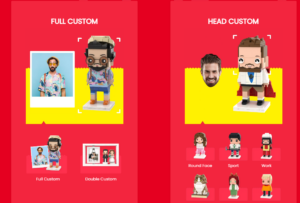
맞춤형 오프라인 브랜드에 최적화된 전환율 높은 쇼피파이 디자인
서론 오늘날 경쟁이 치열한 전자상거래 환경, 특히 맞춤형 선물 및 수집품 분야에서 Shopify 웹사이트는 단순히 제품을 전시하는 것 이상의 역할을 해야 합니다. ...
Shopify 고객 지원팀에 문의하는 방법: 간단하고 스트레스 없는 가이드
쇼피파이 스토어 운영은 흥미진진해야지 혼란스러워서는 안 됩니다. 궁금한 점이 생기거나 문제가 발생하여 진행이 늦어질 때, 쇼피파이는 상황에 따라 다양한 지원 경로를 제공합니다.
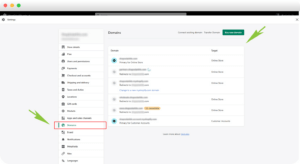
쇼피파이 스토어 비활성화 방법: 명확하고 실용적인 가이드
쇼피파이 스토어를 비활성화하는 것은 복잡하지 않지만, 많은 판매자가 간과하는 몇 가지 결과가 따릅니다. 이 가이드에서는 비활성화 과정을 간단하고 유익하게 설명합니다.