Can machine-translated product pages be published directly? You can think of machine translation as the first version, but it is not recommended to open it to customers without checking. What really needs to be checked is not whether the sentence is fluent, but whether the buyer can choose the right specifications, understand the total price and delivery conditions, and know the boundaries of returns and exchanges. Shopify in Translate & Adapt automatic translation instructions China also requires merchants to check accuracy before publishing translations; this is an editorial suggestion and does not mean that machine translation cannot be used.
Determine first: which content can be reviewed quickly and which content must be manually confirmed
Break the product page down into “readability” and “transaction facts” categories. Color stories, usage scenarios, and general selling points can usually be quickly polished by target language users; once there are errors in size, material composition, voltage, compatible model, price, tax, shipping location, and return and exchange conditions, the purchase decision may be changed. Don’t just ask the translation tool to give the entire page an “accurate” score: cross it field by field to see where the errors occurred.
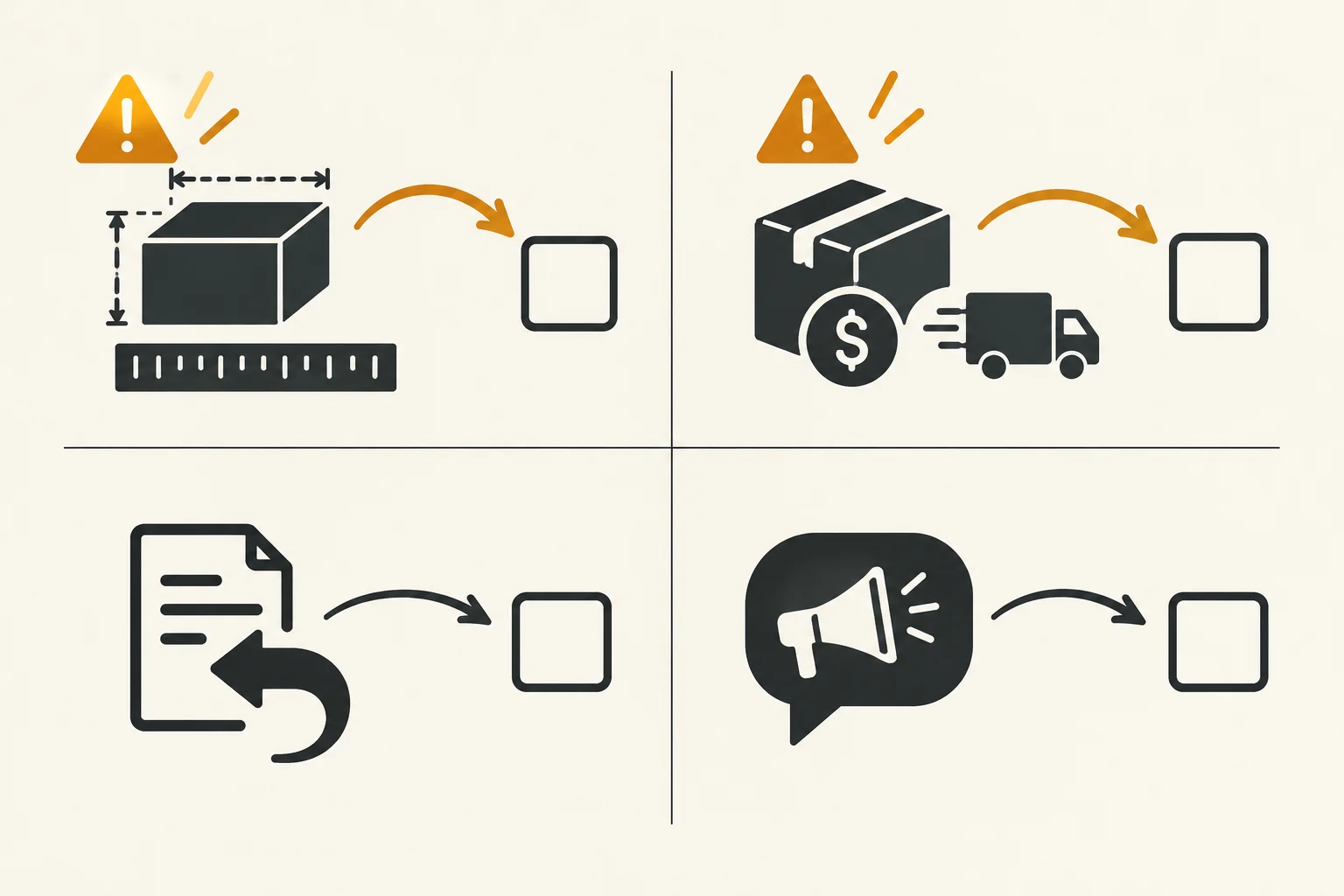
Below is a pre-release grading list. It arranges the review order according to the impact of mistranslation on the order. It is AIRSANG’s editorial working method and is not a mandatory rating by Shopify or Google.
| content location | 자주 묻는 질문 | Minimum check action |
|---|---|---|
| Specifications and variants | The size unit, material, color, and model were mistakenly replaced or omitted | Cross-reference original spec sheet and test variant selections |
| Price and performance | Inconsistent currency symbols, taxes, shipping charges, and timeliness statements | Check according to the actual checkout path of the target market |
| Returns and Commitments | “Can withdraw” is written as “unconditional withdrawal” | Check with the current policy page and after-sales process sentence by sentence. |
| Title and selling point | Terminology is blunt and functional scope is exaggerated | Rewritten by people who understand the product according to the actual product and the target audience |
Use original sources to check facts, not just grammar
Sizes, units and variants: buyers will order based on them
First open the original product information, the specification sheet confirmed by the supplier, and the translation, and arrange the size, weight, capacity, material, and adapted models one by one. Pay special attention to the imperial and metric systems: the translation tool can rewrite the unit name, but it may not complete the numerical conversion; do not directly change “inches” to “centimeters” without calculation and verification. If the color name corresponds to the stock SKU, you should also check whether the front-end options are consistent with the actual picture. For error-sensitive categories such as clothing, electronic accessories, and household sizes, it is recommended that the product manager confirm the information before making it public.
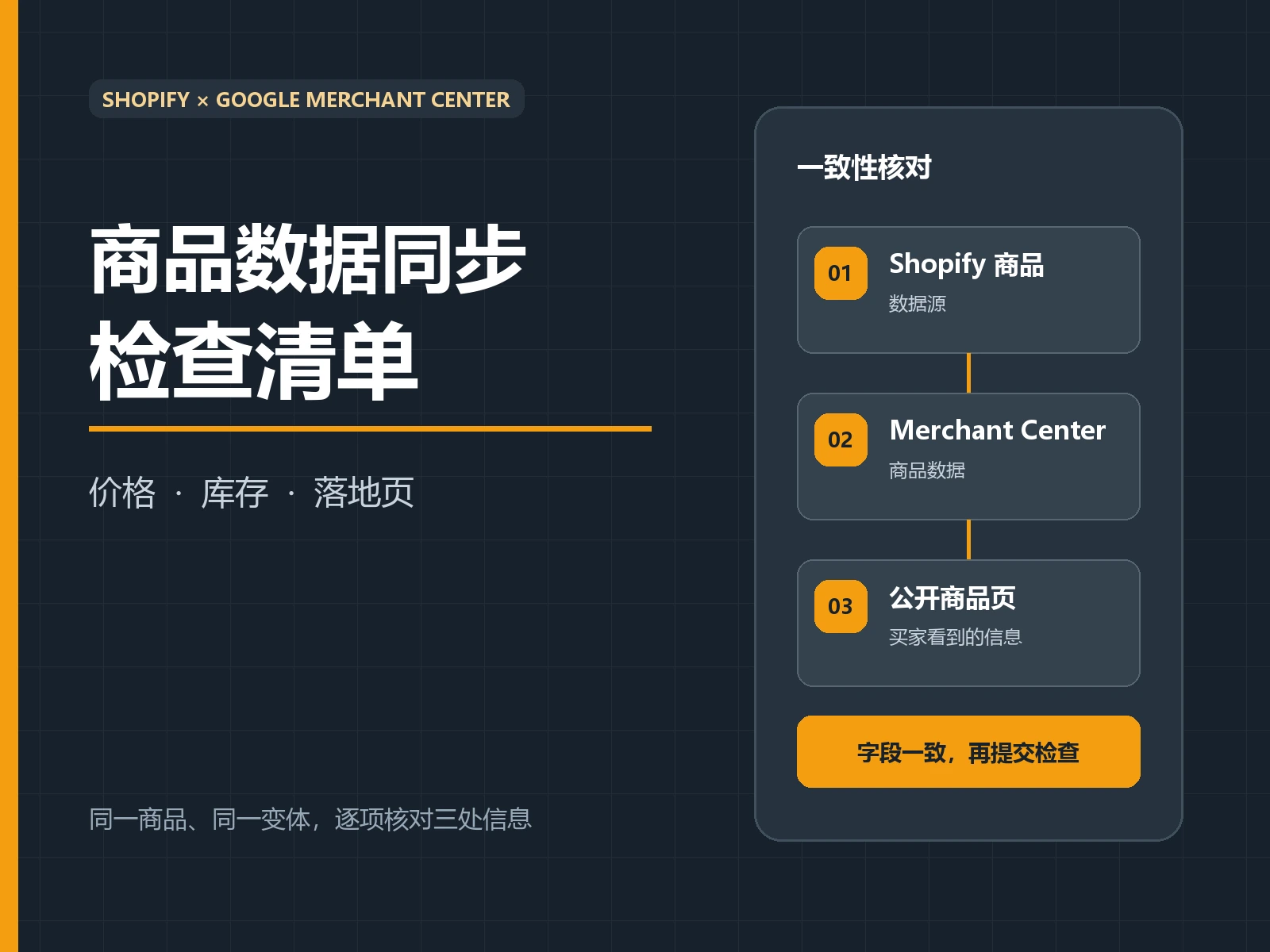
Not only check the text, but also click on each available variant to confirm that the price, images, and availability status change simultaneously. Writing “blue” in the product description but still showing the variant image in black, even if the grammar is perfect, can still mislead customers. Text in pictures should also be included in the review. When preparing original data, you can refer to Product listing information list Check the handover scope.
Price, logistics and returns: subject to actual checkout conditions
The currency, free shipping threshold, tariff, delivery range and estimated delivery date on the product page cannot be copied directly from the source language. First select the target country or region, and then check based on the current store settings and checkout page display; if different markets have different policies, write down the applicable scope respectively. Don’t translate the English page into “free shipping worldwide” just because the original Chinese text says “free shipping”. If shipping or taxes are separately listed on the checkout page, the page commitment should be modified to avoid inconsistencies.
The return and exchange policy especially requires manual verification: verifying the returnable time, excepted products, the party responsible for the return freight, and the customer service portal. Automatic translation may simplify “can be refunded if conditions are met” to “can be refunded by anyone”; you should open the current policy page and compare it sentence by sentence before publishing. If it involves medical, safety or legal commitments, leave it to someone with the appropriate knowledge to review it. Editors cannot judge compliance based on smooth language.

Don’t miss the invisible translation on the page
A complete product page contains more than just a title and description. Also check for inline image text, media alt text, SEO titles and meta descriptions, buttons, size charts, FAQs, discount tips, and email or checkout prompts. Shopify Media alt text description Think of the alt as important text describing the media; if the image says “plug specs,” the alt shouldn’t just say “product image.” The translated target words must also serve the buyer’s understanding, and all alts cannot be filled in as repeated keywords.
For the original language text that has been burned in the picture, the page translation plug-in usually cannot change the picture for you. The picture version should be provided in the corresponding language, or rearranged on an editable layer; if there is no corresponding material for the time being, it is better to keep the facts clear and reduce the commitment in the picture, rather than letting the text and pictures speak for themselves. This is a good place to reuse real project data rather than generate an official-looking size or certification badge out of thin air.
Google’s public statement on generative content emphasizes accuracy, quality, and relevance, and also explicitly mentions metadata such as titles, descriptions, and image alts. It does not stipulate that “machine translated product pages cannot be published”, so manual proofreading should not be packaged as a fixed SEO point deduction rule. If a multilingual page is operated for a long time, it is necessary to check the language version and link structure; this is another technical issue and does not replace the product fact checking of this article.
A replicable six-step pre-launch checklist
- Determine the target market and language for this page and save the version date of the original spec sheet, current prices and policies.
- Place the machine translation side by side with the original data, and first circle the numbers, units, models, materials, commitments and proper nouns.
- Ask someone who knows the product and understands the target language to rewrite unnatural titles, selling points, and terminology to preserve the original facts.
- Check variations, images, image text, alts, FAQs, SEO titles and meta descriptions one by one.
- Walk to checkout as your target market to confirm pricing, shipping, and policies; you don’t have to actually pay for your order.
- Record the reviewer, review date and changes, and check the mobile version first before publishing; recheck the original data after changes.
The sharing form can have four columns: “source information, translation, verification results, and responsible person.” Before publishing the page, use brand website launch checklist Check the entire site experience.

When can it be released?
If only a small amount of low-risk wording needs to be polished, and the key specifications, prices, fulfillment and policies are already consistent with the current data, and the page process is also tested and available, you can publish it after recording the items to be optimized, and continue to monitor customer service questions and reasons for returns. If the core facts are still unclear, keep a draft: machine translation cannot replace supplier confirmation, nor can it provide evidence for missing information. When a large number of new products are put on the shelves, priority will be given to products with high sales volume, high return risk or complex specifications, and then gradually expanded to other pages.
결론
Machine translated product page It can be used as a preparation for online publication. It cannot be published directly just because the translation is smooth. . Check specs, price, shipping and return commitments item by item first, then check variations, image text and SEO metadata; write down the person responsible and the date in the checklist. It is a safer approach to balance efficiency and accuracy before making it public after passing these verifications related to the target market.