











소개
Duplicating a page in 워드프레스 sounds like a simple task, but many beginners are surprised when they cannot find a built-in “duplicate” button inside the WordPress dashboard. WordPress lets you create pages, edit posts, upload images, install themes, manage plugins, and customize almost every part of your website. However, by default, it does not include a one-click feature for cloning an existing page or post.
That does not mean the process is difficult. In fact, learning how to duplicate page WordPress content is one of the easiest ways to speed up your website workflow. Whether you are building a landing page, creating similar service pages, testing different layouts, or reusing a blog format, duplicating a page can save a lot of time.
Instead of starting with a blank screen, you can copy an existing structure and adjust the text, images, buttons, links, and SEO settings. This helps you keep your website layout consistent while reducing repetitive work.
In this guide, we will explain what page duplication means, why website owners use it, when it is helpful, what risks to avoid, and the main ways to duplicate a page in WordPress with or without plugins.
What Does It Mean to Duplicate a WordPress Page?
To duplicate a WordPress page means to create a copy of an existing page on your website. The copied version usually keeps the same layout, text blocks, images, buttons, headings, and sometimes other page settings depending on the method you use.
For example, imagine you already created a service page for “Website Design.” The page has a hero section, service description, feature blocks, testimonials, pricing area, and a contact button. Now you want to create a similar page for “Shopify Design.” Instead of rebuilding the full layout again, you can duplicate the first page and replace the content with new information.
This process is useful because you are not copying the page for users to see the same content twice. You are copying the page as a starting point. After duplication, you should edit the copied version so it becomes a new, unique page.
Why WordPress Users Duplicate Pages
There are many practical reasons to duplicate pages in WordPress. For beginners, the biggest reason is convenience. Once you have built a page that looks good, it makes sense to reuse the structure instead of designing everything again.
It Saves Time
Creating a page from scratch can take a long time. You may need to choose a layout, add sections, set spacing, upload images, style buttons, adjust headings, and check the mobile version.
When you duplicate a page, much of that work is already done. You only need to update the parts that should change.
It Keeps Design Consistent
A professional website should feel consistent from page to page. Service pages, product pages, landing pages, and blog posts often follow a similar visual structure.
Duplicating a page helps keep the same design rhythm across your website. This can make your site easier to browse and more polished.
It Helps with Landing Page Testing
If you run marketing campaigns, you may want to test two versions of the same page. For example, one version may use a blue call-to-action button, while another version uses a black button. One version may have a short headline, while another uses a longer headline.
Duplicating a page gives you a quick way to create a second version for testing. You can make small changes and compare which version performs better.
It Helps You Reuse a Successful Layout
Sometimes a page performs well because the layout is clear, the content is organized, and the call-to-action is easy to find. Instead of guessing again, you can reuse that successful structure for another campaign or service.
The copied page becomes a proven framework that you can customize for a new purpose.
It Supports Template-Based Publishing
Some websites publish content in a repeated format. For example, a blog may use the same structure for product reviews, case studies, tutorials, or weekly updates.
Duplicating a post or page can help writers follow the same format each time. This makes publishing faster and keeps the reader experience consistent.
Important SEO Warning Before You Duplicate Pages
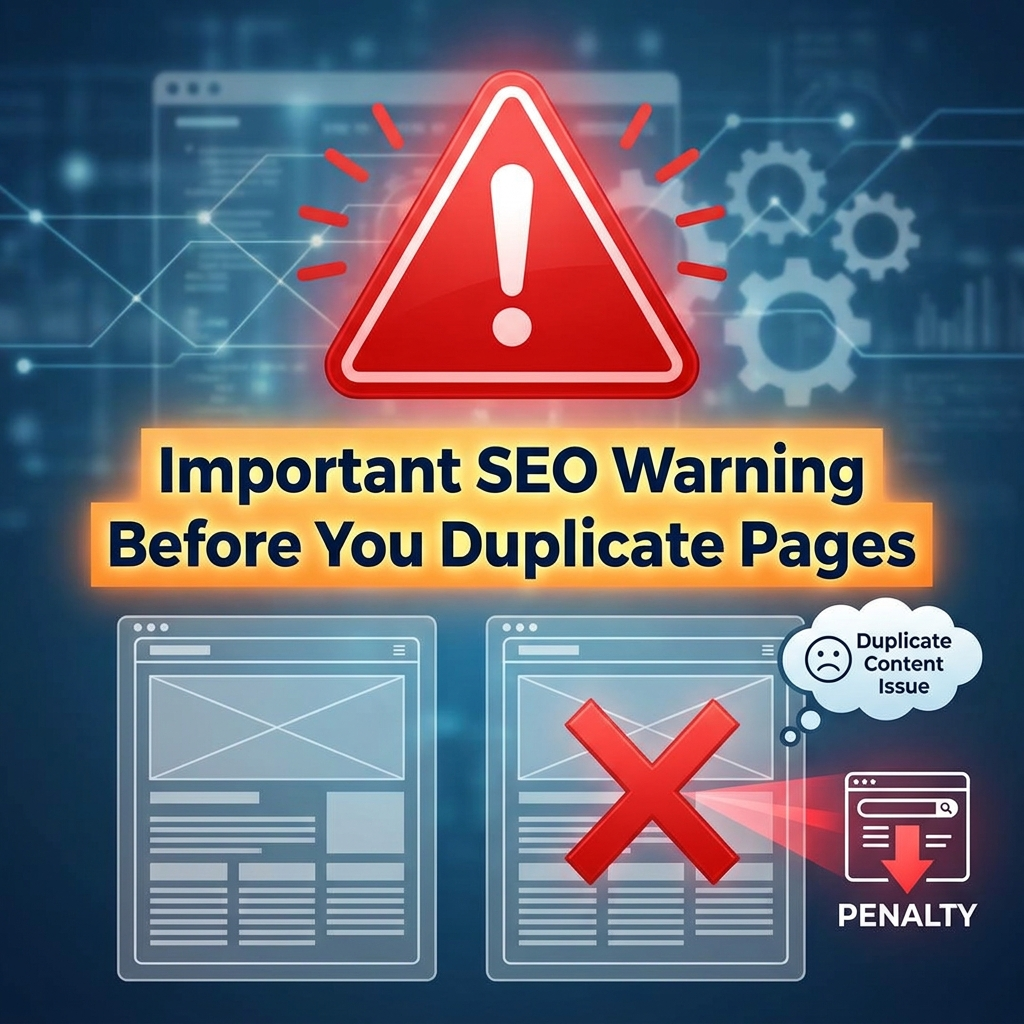
Duplicating a page is helpful, but copying the same content and publishing it without changes can create problems.
Search engines do not like large amounts of identical or highly similar content. If your website has many duplicated pages with the same text, titles, and metadata, it can confuse search engines and weaken your SEO performance.
The safe way to use page duplication is to copy the structure, not the final content.
After duplicating a page, always update:
The page title
The new page should have its own title. Do not keep the same title as the original page.
The URL slug
The URL should match the new page topic. For example, do not leave a copied page with an old URL that no longer fits the content.
The headings
Change the H1, H2, and H3 headings so they describe the new page clearly.
The body content
Rewrite the text so it is original and useful for the new topic.
The images
Replace images when needed, especially if the original images do not match the new page.
The SEO title and meta description
If you use an SEO plugin, update the SEO title, meta description, and focus keyword.
Internal links
Check buttons and text links. Make sure they point to the right pages.
Forms and calls-to-action
If the new page targets a different service, product, or campaign, update the form labels, button text, and contact section.
Duplicating pages should make your workflow faster, but it should not lead to lazy content copying. The goal is to create a new page with a reused layout and unique information.
Two Main Ways to Duplicate a Page in WordPress
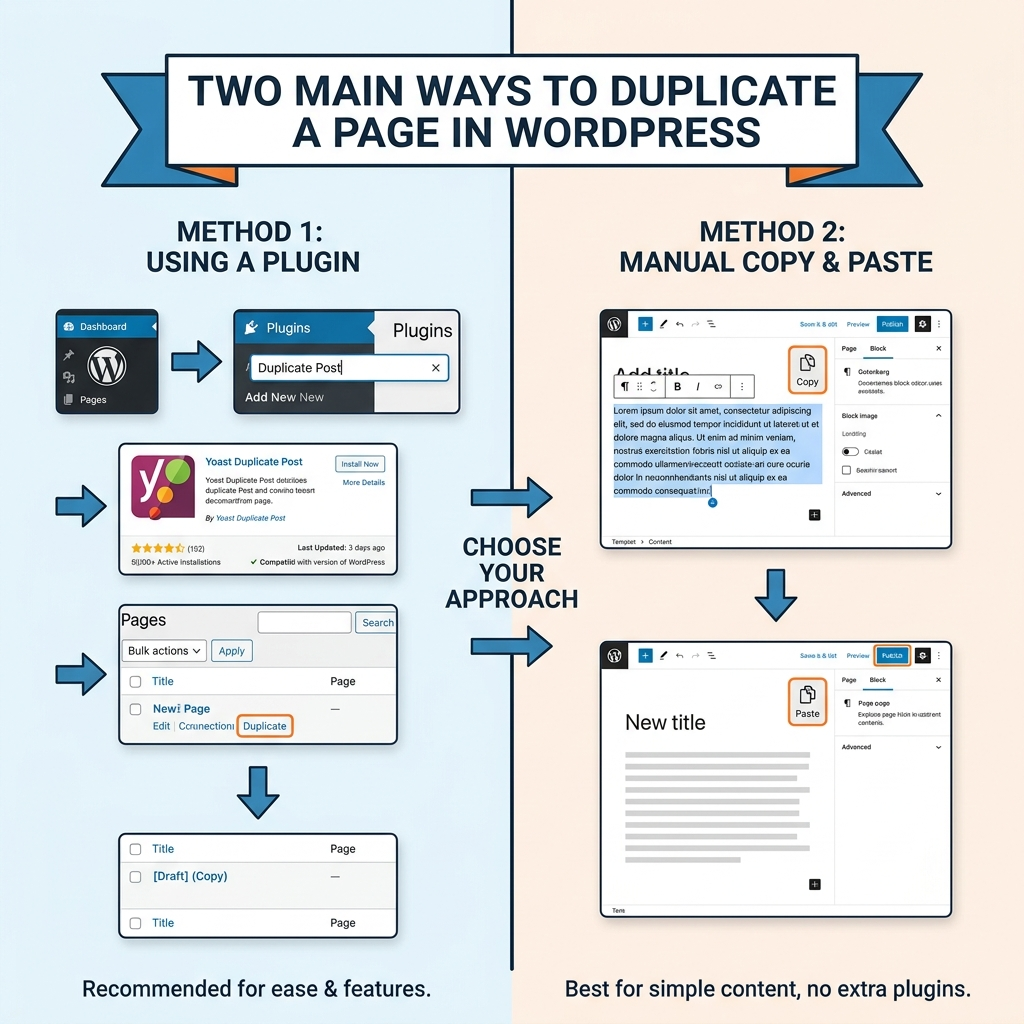
There are two common ways to duplicate a WordPress page:
You can use a plugin, or you can duplicate the page manually.
The best method depends on how often you need to copy pages. If you duplicate pages regularly, a plugin is usually easier. If you only need to copy one page occasionally, the manual method may be enough.
Method 1: Duplicate a Page in WordPress with a Plugin
Using a plugin is the easiest method for most users. A duplication plugin adds a simple clone or copy option to your WordPress dashboard. After installation, you can usually duplicate a page with one click.
This is useful for website owners, bloggers, marketers, and agencies that often create similar pages.
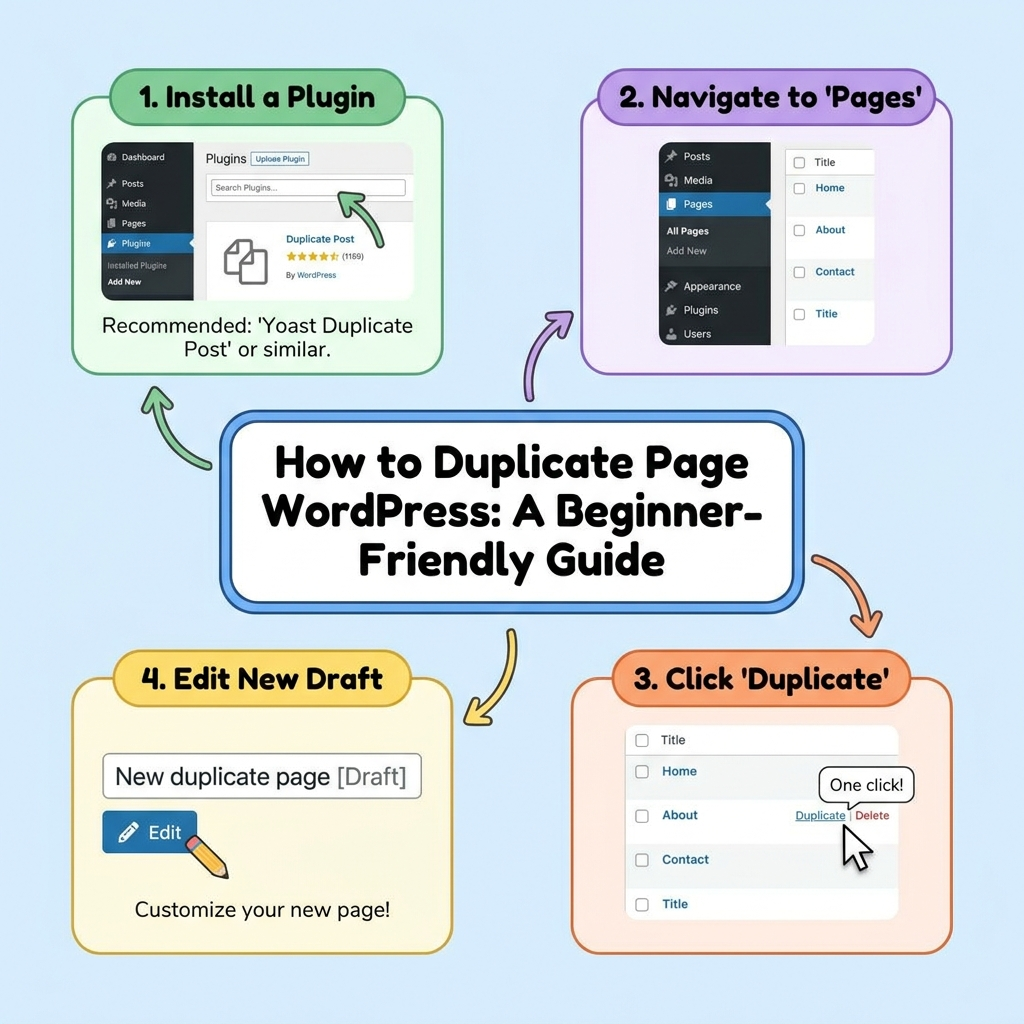
Step 1: Install a Page Duplication Plugin
Log in to your WordPress dashboard. Go to Plugins > Add New Plugin. In the search bar, type a plugin name such as:
Yoast Duplicate Post
Duplicate Page
Duplicate Post
These plugins are commonly used for cloning pages and posts. Choose the plugin that fits your needs, click Install Now, and then click Activate.
Step 2: Go to Your Pages List
After activating the plugin, go to Pages > All Pages. You should now see new options under each page title.
Depending on the plugin, the option may say:
Clone
Duplicate This
Copy
New Draft
Rewrite & Republish
Each plugin uses slightly different wording, but the purpose is similar.
Step 3: Click the Duplicate Option
Find the page you want to copy and click the duplication option. WordPress will create a new version of that page.
In many cases, the copied page will be saved as a draft. This is usually the safest option because you can review and edit it before publishing.
Step 4: Edit the Duplicated Page
Open the duplicated page and update the content. Change the title, text, images, buttons, links, and SEO information.
Do not publish the copied version until it has been fully edited.
Step 5: Preview and Publish
Before publishing, preview the new page on desktop and mobile. Check spacing, headings, images, forms, and links.
When everything looks correct, publish the page.
Popular WordPress Page Duplication Plugins
There are several plugins that can help you duplicate pages and posts. Here are three common options.
Yoast Duplicate Post
Yoast Duplicate Post is one of the most popular choices. It allows you to clone posts, pages, and sometimes other content types depending on your settings.
After activation, you may see options such as Clone, New Draft, and Rewrite & Republish.
Clone usually creates a copied version without opening it immediately.
New Draft creates a copy and opens it as a draft, which is useful when you want to edit right away.
Rewrite & Republish is helpful when you want to update an existing page by creating a temporary copy, editing it, and replacing the original later.
This plugin also includes settings that let you choose what should be copied, which user roles can duplicate content, and where the duplicate links should appear.
Duplicate Page
Duplicate Page is another beginner-friendly option. It is simple and direct. After activation, you can go to Pages > All Pages and click Duplicate This under the page you want to copy.
This plugin often lets you choose the default status of duplicated content, such as draft, published, private, or pending. For most users, saving duplicated pages as drafts is the safest choice.
Some versions also allow you to add a suffix to copied pages, such as “Copy” or “Clone.” This helps you recognize duplicated pages in your dashboard.
Duplicate Post
Duplicate Post plugins are also helpful when you want to clone both pages and blog posts. Some versions allow more control over what gets copied, including titles, content, featured images, custom fields, templates, and post types.
This can be useful for larger websites that need a more controlled content workflow.
Plugin Method: Best Practices
When using a duplication plugin, it is important to check the plugin settings before cloning many pages.
First, make sure copied pages are saved as drafts instead of being published automatically. This prevents unfinished duplicate content from appearing on your live website.
Second, check what elements the plugin copies. Some plugins may copy featured images, custom fields, page templates, authors, excerpts, comments, or metadata.
Third, review user permissions. If multiple people manage your website, you may not want every user role to duplicate and publish pages.
Finally, delete unused duplicated drafts. If you create many test copies and never clean them up, your dashboard can become messy.
Method 2: Duplicate a WordPress Page Without a Plugin
You can also duplicate a page manually. This method is useful if you do not want to install another plugin or if you only need to copy a page once.
Manual duplication does not always copy every setting, but it can work well for simple pages.
Step 1: Open the Page You Want to Copy
Go to Pages > All Pages in your WordPress dashboard. Find the page you want to duplicate and click Edit.
Step 2: Copy the Page Content
If you are using the WordPress block editor, open the page editor and click the three-dot menu in the top-right corner. Then choose Copy all blocks.
This copies the page blocks to your clipboard.
If you are using the classic editor, you can select the content manually and copy it.
Step 3: Create a New Page
Go back to Pages > Add New Page. Add a new page title.
Step 4: Paste the Content
Paste the copied content into the new page editor. If you used Copy all blocks, the block structure should appear in the new page.
Step 5: Update the New Page
Now edit the duplicated content. Change the title, headings, body text, images, buttons, links, URL slug, and SEO settings.
Step 6: Save or Publish
Save the new page as a draft until you are ready to publish it. Preview the page before making it live.
Duplicating Posts Instead of Pages
Duplicating a WordPress post is very similar to duplicating a page. The main difference is where you start.
For pages, go to Pages > All Pages.
For blog posts, go to Posts > All Posts.
If you use a plugin, you will usually see the same clone or duplicate options under each post title. If you copy manually, open the post, copy the content, create a new post, and paste the content into it.
After that, update the title, category, tags, featured image, URL, excerpt, and SEO settings.
Plugin vs Manual Method: Which One Should You Choose?
Both methods can work. The right choice depends on your website workflow.
Choose a plugin if you duplicate pages often, manage many landing pages, run campaigns, work with multiple content formats, or want one-click cloning.
Choose the manual method if you only need to copy one simple page, want to avoid extra plugins, or prefer a basic copy-and-paste process.
For most active WordPress websites, a plugin is more efficient. For small websites with occasional updates, manual duplication may be enough.
흔히 저지르는 실수들을 피하는 방법
Many beginners duplicate a page and publish it too quickly. This can lead to broken links, repeated text, confusing URLs, and weak SEO.
Avoid these common mistakes:
Do not leave the old title on the copied page.
Do not publish duplicate text without rewriting it.
Do not forget to update the URL slug.
Do not keep the same SEO title and meta description.
Do not leave buttons linked to the wrong page.
Do not forget to replace images that no longer match.
Do not duplicate pages directly into published status unless you are sure the content is ready.
A duplicated page should always go through a careful review before it becomes public.
Final Checklist Before Publishing a Duplicated Page
Before you publish a duplicated WordPress page, check the following:
The page title is unique.
The URL slug matches the new topic.
The main heading is updated.
All body content has been rewritten or adjusted.
Images are relevant to the new page.
Buttons link to the correct destination.
Contact forms work properly.
SEO title and meta description are updated.
The page looks good on mobile.
The page is saved as draft until review is complete.
This checklist helps you avoid the most common problems and keeps your website professional.
결론
Learning how to duplicate page 워드프레스 content is a simple but useful skill for website owners, bloggers, marketers, and anyone managing a WordPress site. Since WordPress does not include a default one-click duplication button, you can either use a plugin or copy the page manually.
Plugins are the fastest option for users who duplicate pages often. They can clone pages, posts, templates, and other content types with just a few clicks. Manual copying is a good choice for users who only need to duplicate a simple page occasionally.
The most important rule is to treat the duplicated page as a starting point, not a finished page. Always update the title, URL, text, images, links, and SEO settings before publishing. When used correctly, page duplication can save time, keep your design consistent, and make WordPress content management much easier.
자주 묻는 질문
1. How do I duplicate a page in WordPress?
You can duplicate a page in WordPress by using a page duplication plugin or by manually copying the page content. The plugin method is faster because it adds a clone or duplicate option directly to your WordPress dashboard.
2. Does WordPress have a built-in duplicate page feature?
No. WordPress does not include a default one-click duplicate page feature. To duplicate a page easily, most users install a plugin such as Yoast Duplicate Post or Duplicate Page.
3. Can I duplicate a WordPress page without a plugin?
Yes. Open the page you want to copy, use the block editor’s “Copy all blocks” option, create a new page, and paste the content. Then update the title, URL, images, links, and SEO settings.
4. Will duplicating a page hurt my SEO?
Duplicating a page will not hurt SEO if you edit the copied page properly. You should rewrite the content, change the page title, update the URL slug, and create a new meta description before publishing.
5. What is the best plugin to duplicate a WordPress page?
Yoast Duplicate Post and Duplicate Page are two popular options. Yoast Duplicate Post is useful for cloning pages, posts, and drafts, while Duplicate Page is simple and beginner-friendly.
6. What should I check before publishing a duplicated page?
Before publishing, check the page title, URL slug, headings, body text, images, internal links, buttons, forms, SEO title, and meta description. Also preview the page on desktop and mobile.


완전한 전자상거래 시스템을 갖춘 워드프레스 웹사이트 또는 기업 사이트를 디자인하고 구축하세요.
가격 범위: $200.00~$2,500.00custom-requirements-or-special-quotations
원래 가격: $2.00.$1.00현재 가격: $1.00. 워드프레스 전자상거래 쇼핑몰에 플러그인 50개는 너무 많은 걸까요?
실제 성능에 미치는 영향 이해하기 워드프레스 전자상거래 사이트에 50개의 플러그인이 있다고 해서 자동으로 문제가 되는 것은 아닙니다. 사실 그 숫자만으로 성능이 결정되는 경우는 거의 없습니다....

아마존 가정용 물리치료 기기 메인 이미지 디자인 설명
소개 소개: 아마존에서 홈 테라피 기기의 신뢰할 수 있는 이미지 구축 아마존에서 홈 테라피 기기의 기본 이미지를 디자인할 때 기본 ...

아마존 립스틱 전환을 위한 메인 이미지 디자인
소개: 소개: 아마존에서 판매되는 립스틱 메인 이미지 디자인하기 아마존 립스틱의 메인 이미지를 디자인할 때 우리의 책임은 그 이상입니다.

해커들이 워드프레스 관리자 이메일을 훔치는 방법(그리고 이를 막는 방법)
불편한 진실부터 말씀드리자면, 워드프레스 관리자 이메일은 생각보다 훨씬 더 많이 공개되어 있습니다. 그들은 그것을 좋아합니다. 해커에게 여러분의...

아마존 리퀴드 파운데이션 메인 이미지 변환의 특징은 무엇일까요?
서론 아마존 리퀴드 파운데이션의 메인 이미지 디자인은 단순히 제품을 아름답게 보이게 하는 것만이 아닙니다. 아마존에서 메인 이미지와...

필터 카트리지 제품을 위한 효과적인 아마존 메인 이미지 디자인하기
서론 아마존 메인 이미지 디자인은 단순히 제품을 매력적으로 보이게 하는 것만이 아닙니다. 명확성, 신뢰, 그리고 즉각적인 이해를 제공하는 것이 중요합니다. 특히...
워드프레스에 대한 리플레이 공격: 실제 위협인가, 과장된 신화인가?
먼저 한 가지를 분명히 해두죠. 리플레이 공격은 겉보기에 무섭지 않습니다. 비밀번호를 날려버리지도 않고, 초록색 해커 텍스트가 사방에 흩날리는 악성 코드를 주입하지도 않습니다. 그저 교묘하게 이루어질 뿐입니다.
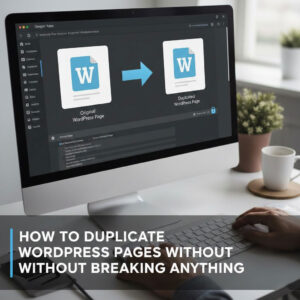
WordPress 페이지를 손상 없이 복제하는 방법
솔직히 말해봅시다. 때로는 새 페이지를 만들고 싶지 않을 때가 있죠. 그냥 기존 페이지를 약간만 다르게 하고 싶을 때가 있어요. 레이아웃도, 블록도, 설정도 그대로요. 왜냐하면...

반려동물 관련 워드프레스 테마 5가지 비교
서론 반려동물 관련 워드프레스 테마를 선택하는 것은 단순한 디자인 결정 이상의 의미를 지닙니다. 사용성, 확장성, 그리고 장기적인 비즈니스 성장에 직접적인 영향을 미치기 때문입니다. 반려동물 관리 및 관련...
수영복 온라인 쇼핑몰 테마 5가지 비교
서론 수영복이나 란제리 독립 매장에 적합한 테마를 선택하는 것은 단순히 시각적인 결정에 그치는 것이 아니라, 전환율, 확장성, 그리고 장기적인 성공에 직접적인 영향을 미칩니다.
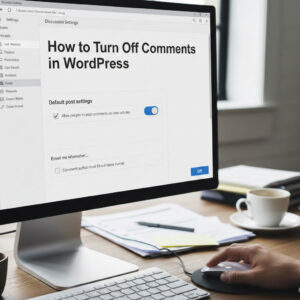
워드프레스에서 댓글 기능을 끄는 방법 (정신줄 놓지 않고)
워드프레스 댓글에 대해 이야기해 봅시다. 이론적으로 댓글은 훌륭합니다. 토론을 장려하고, 커뮤니티를 형성하며, 웹사이트에 생동감을 불어넣습니다. 하지만 현실은 어떨까요? 댓글은 종종 문제를 야기하기도 합니다...

워드프레스 500 오류: 웹사이트가 갑자기 오류를 일으킬 때
방금 전까지만 해도 워드프레스 사이트는 아무 문제 없었는데, 페이지를 새로고침하자마자 갑자기 💥 500 내부 서버 오류가 발생했습니다. 아무런 설명도, 사과도 없이 그저 차갑고 혼란스러운 메시지만 남았습니다.

과학 중심 브랜드를 위한 확장 가능한 워드프레스 웹사이트 구축: 아미노USA 프로젝트
서론 오늘날의 디지털 환경에서 웹사이트는 단순히 제품을 나열하는 공간 이상의 의미를 지닙니다. 규제 산업이나 연구 중심 산업에서 활동하는 과학 기반 브랜드에게 웹사이트는 더욱 중요한 역할을 합니다.

글로벌 블레이드 브랜드를 위한 확장 가능한 쇼피파이 스토어 구축: 쿨카타나 프로젝트
서론: 국경을 넘나드는 전자상거래에서 Shopify 웹사이트는 단순한 매장 이상의 의미를 지닙니다. 특정 문화권에서 사업을 운영하는 브랜드의 경우, 웹사이트는 단순한 판매 공간을 넘어 훨씬 더 많은 기능을 수행해야 합니다.
포켓몬 카드 판매를 위한 높은 전환율을 자랑하는 쇼피파이 스토어 디자인하기
서론 수집품 전자상거래, 특히 포켓몬 트레이딩 카드 게임(TCG) 시장에서 웹사이트는 단순히 제품 목록을 나열하는 것 이상의 역할을 해야 합니다.
맞춤형 오프라인 브랜드에 최적화된 전환율 높은 쇼피파이 디자인
서론 오늘날 경쟁이 치열한 전자상거래 환경, 특히 맞춤형 선물 및 수집품 분야에서 Shopify 웹사이트는 단순히 제품을 전시하는 것 이상의 역할을 해야 합니다. ...
Shopify 고객 지원팀에 문의하는 방법: 간단하고 스트레스 없는 가이드
쇼피파이 스토어 운영은 흥미진진해야지 혼란스러워서는 안 됩니다. 궁금한 점이 생기거나 문제가 발생하여 진행이 늦어질 때, 쇼피파이는 상황에 따라 다양한 지원 경로를 제공합니다.
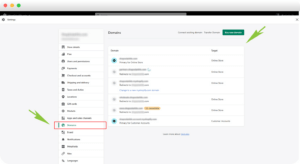
쇼피파이 스토어 비활성화 방법: 명확하고 실용적인 가이드
쇼피파이 스토어를 비활성화하는 것은 복잡하지 않지만, 많은 판매자가 간과하는 몇 가지 결과가 따릅니다. 이 가이드에서는 비활성화 과정을 간단하고 유익하게 설명합니다.