












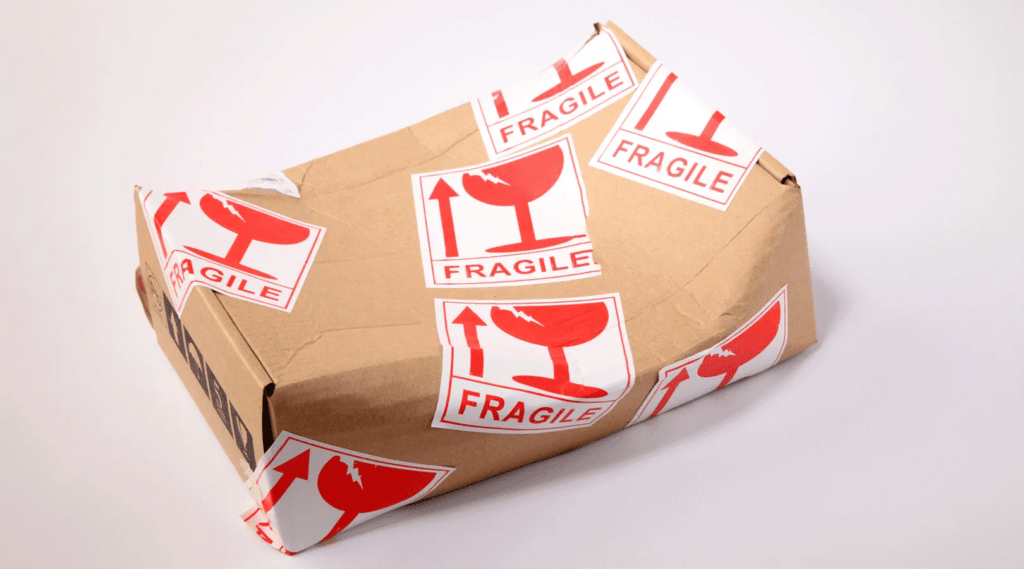
When a customer opens a package and finds a damaged product, frustration builds instantly. For 쇼피파이 merchants, this moment can quickly turn into a refund dispute, a negative review, or even a chargeback if it is not handled properly.
If you sell online, shipping damage is not a rare edge case — it is an operational reality. Couriers handle millions of parcels every day, and even the best packaging cannot prevent every accident. What matters most is how you respond when an item arrived damaged on Shopify.
This guide explains, in plain language, how Shopify merchants should understand shipping damage, document evidence, file claims with carriers, and protect both customer trust and long-term profitability.
Understanding “Item Arrived Damaged” on Shopify

When shoppers say “item arrived damaged”, they usually mean one of three things:
- The outer packaging is damaged and affected the product
- The product itself is broken, scratched, or unusable
- The item works, but its appearance is visibly compromised
From a customer’s perspective, all three are considered unacceptable. From a merchant’s perspective, they raise a key question:
Who is responsible — the seller, the carrier, or both?
On Shopify, the platform itself does not automatically handle shipping damage claims. Instead, Shopify provides the order data, fulfillment records, and customer communication tools — while the actual claim process depends on the shipping carrier and your store policies.
Why Shipping Damage Is a Business Risk, Not Just a Support Issue

Many sellers treat damaged shipments as isolated customer service problems. In reality, they impact several core areas of your business:
- Profit margins: Refunds, reshipments, and lost inventory
- 브랜드 신뢰도: How customers judge your reliability
- Operational efficiency: Time spent resolving disputes
- Platform health: Risk of payment disputes and negative reviews
Merchants who lack a clear process often react emotionally or inconsistently, which makes situations worse instead of better.
A structured approach turns a problem into a controllable workflow.
First Response: What to Do When a Customer Reports Damage
When a customer contacts you about a damaged item, your first reply matters more than the solution itself.
The goal is to acknowledge the issue, gather evidence, and slow escalation.
Step 1: Respond Quickly and Calmly
A delayed response signals indifference. Even if you do not yet know the solution, reply within 24 hours.
A simple acknowledgment reassures the customer that the issue is being taken seriously.
Step 2: Request Clear Evidence
Before offering refunds or replacements, request:
- Photos of the damaged product
- Photos of the outer packaging
- Photos of the shipping label
- A short description of how the package arrived
This documentation is essential for carrier claims and internal tracking.
Step 3: Check Order and Fulfillment Details
Inside your Shopify admin, verify:
- Fulfillment status
- Shipping method used
- Carrier name and tracking number
- Delivery confirmation
This information determines your next steps.
Who Files the Shipping Claim?
A common misunderstanding among merchants is assuming customers should file claims themselves.
In most cases, the merchant files the claim, not the buyer.
Why?
- The shipping contract is between you and the carrier
- You paid for the shipping service
- Carriers typically require account credentials
If you used Shopify Shipping or a third-party fulfillment partner, the claim process may differ slightly — but responsibility still usually falls on the seller.
Filing a Shipping Claim: General Process
While each carrier has its own interface, the overall structure is similar across providers.
Step 1: Gather Required Information
You will typically need:
- Tracking number
- Shipment date
- Declared value
- Proof of damage (photos)
- Proof of value (invoice or order summary)
Your Shopify order page provides most of this information.
Step 2: Submit the Claim Within the Time Limit
Carriers enforce strict deadlines. Missing them often means automatic rejection.
예를 들어:
- Some carriers require damage claims within a few days of delivery
- Others allow longer windows but require immediate reporting
Delays weaken your position.
Step 3: Monitor Claim Status
Claims are not instant. They may take days or weeks to process.
During this period, proactive customer communication is essential.
Should You Refund or Wait for the Claim?
This is one of the hardest decisions for Shopify merchants.
There are two common approaches:
Option 1: Immediate Refund or Replacement
장점:
- Preserves customer trust
- Reduces dispute risk
- Improves brand perception
단점:
- Temporary cash flow impact
- Risk if the claim is denied
Option 2: Wait for Carrier Resolution
장점:
- Financially safer
- Avoids double losses
단점:
- Frustrates customers
- Increases dispute risk
Most experienced merchants choose customer-first resolution, then pursue carrier reimbursement separately.
In eCommerce, customer experience often outweighs short-term cost optimization.
How Shopify Helps (and What It Doesn’t Do)
Shopify does not directly approve or deny shipping damage claims. However, it provides tools that make the process manageable:
- Centralized order records
- Fulfillment and tracking visibility
- Customer communication history
- Proof of transaction value
Shopify Shipping users may have streamlined claim flows depending on carrier integration, but policy enforcement still belongs to the shipping provider.
Understanding this separation avoids misplaced expectations.
Preventing Damage Claims Before They Happen
The most profitable shipping claim is the one you never need to file.
Improve Packaging Design
Common improvements include:
- Thicker outer boxes
- Custom inserts or molded padding
- Double-boxing fragile items
- Shock-absorbing materials
Packaging is part of product design, not an afterthought.
Set Clear Expectations on Product Pages
If an item is fragile, handmade, or prone to cosmetic variation, explain this clearly before purchase.
Clear expectations reduce conflict.
Define a Transparent Damage Policy
Your store policy should explain:
- What qualifies as shipping damage
- What evidence is required
- Replacement vs refund options
- Resolution timelines
When policies are visible, disputes feel procedural — not personal.
Turning a Damaged Shipment Into a Trust-Building Moment
Ironically, many long-term customers are created during problem resolution.
When handled well, a damaged shipment can show:
- Professionalism
- Accountability
- Empathy
Customers remember how you fix problems more than the problem itself.
A calm, structured response signals that your brand is reliable — even when things go wrong.
Why Process Design Matters for Shopify Stores
Many Shopify stores fail not because of traffic or products, but because their operations cannot scale with growth.
Shipping issues expose weaknesses in:
- Workflow design
- Policy clarity
- Customer communication systems
This is where thoughtful store design, documentation, and backend logic make a measurable difference.
How AIRSANG Helps Shopify Merchants Go Further
Handling an item arrived damaged 쇼피파이 situation is not just about claims — it reflects the maturity of your entire operation.
에서 AIRSANG, we specialize in cross-border eCommerce support, including:
- Shopify store structure and UX design
- Policy and workflow optimization
- Trust-focused product page layouts
- Conversion-oriented customer experience design
A well-designed store reduces disputes, improves retention, and supports long-term growth — especially for international sellers navigating logistics complexity.
If you want your Shopify store to look professional, operate smoothly, and scale confidently across borders, AIRSANG 도와드리겠습니다.


완전한 전자상거래 시스템을 갖춘 워드프레스 웹사이트 또는 기업 사이트를 디자인하고 구축하세요.
가격 범위: $200.00~$2,500.00사용자 지정 요구 사항 또는 특별 견적
원래 가격: $2.00.$1.00현재 가격: $1.00. 워드프레스 전자상거래 쇼핑몰에 플러그인 50개는 너무 많은 걸까요?
실제 성능에 미치는 영향 이해하기 워드프레스 전자상거래 사이트에 50개의 플러그인이 있다고 해서 자동으로 문제가 되는 것은 아닙니다. 사실 그 숫자만으로 성능이 결정되는 경우는 거의 없습니다....

아마존 립스틱 전환을 위한 메인 이미지 디자인
소개: 소개: 아마존에서 판매되는 립스틱 메인 이미지 디자인하기 아마존 립스틱의 메인 이미지를 디자인할 때 우리의 책임은 그 이상입니다.

해커들이 워드프레스 관리자 이메일을 훔치는 방법(그리고 이를 막는 방법)
불편한 진실부터 말씀드리자면, 워드프레스 관리자 이메일은 생각보다 훨씬 더 많이 공개되어 있습니다. 그들은 그것을 좋아합니다. 해커에게 여러분의...

아마존 리퀴드 파운데이션 메인 이미지 변환의 특징은 무엇일까요?
서론 아마존 리퀴드 파운데이션의 메인 이미지 디자인은 단순히 제품을 아름답게 보이게 하는 것만이 아닙니다. 아마존에서 메인 이미지와...

필터 카트리지 제품을 위한 효과적인 아마존 메인 이미지 디자인하기
서론 아마존 메인 이미지 디자인은 단순히 제품을 매력적으로 보이게 하는 것만이 아닙니다. 명확성, 신뢰, 그리고 즉각적인 이해를 제공하는 것이 중요합니다. 특히...

워드프레스에 대한 리플레이 공격: 실제 위협인가, 과장된 신화인가?
먼저 한 가지를 분명히 해두죠. 리플레이 공격은 겉보기에 무섭지 않습니다. 비밀번호를 날려버리지도 않고, 초록색 해커 텍스트가 사방에 흩날리는 악성 코드를 주입하지도 않습니다. 그저 교묘하게 이루어질 뿐입니다.
WordPress 페이지를 손상 없이 복제하는 방법
솔직히 말해봅시다. 때로는 새 페이지를 만들고 싶지 않을 때가 있죠. 그냥 기존 페이지를 약간만 다르게 하고 싶을 때가 있어요. 레이아웃도, 블록도, 설정도 그대로요. 왜냐하면...

반려동물 관련 워드프레스 테마 5가지 비교
서론 반려동물 관련 워드프레스 테마를 선택하는 것은 단순한 디자인 결정 이상의 의미를 지닙니다. 사용성, 확장성, 그리고 장기적인 비즈니스 성장에 직접적인 영향을 미치기 때문입니다. 반려동물 관리 및 관련...
수영복 온라인 쇼핑몰 테마 5가지 비교
서론 수영복이나 란제리 독립 매장에 적합한 테마를 선택하는 것은 단순히 시각적인 결정에 그치는 것이 아니라, 전환율, 확장성, 그리고 장기적인 성공에 직접적인 영향을 미칩니다.
워드프레스에서 댓글 기능을 끄는 방법 (정신줄 놓지 않고)
워드프레스 댓글에 대해 이야기해 봅시다. 이론적으로 댓글은 훌륭합니다. 토론을 장려하고, 커뮤니티를 형성하며, 웹사이트에 생동감을 불어넣습니다. 하지만 현실은 어떨까요? 댓글은 종종 문제를 야기하기도 합니다...

워드프레스 500 오류: 웹사이트가 갑자기 오류를 일으킬 때
방금 전까지만 해도 워드프레스 사이트는 아무 문제 없었는데, 페이지를 새로고침하자마자 갑자기 💥 500 내부 서버 오류가 발생했습니다. 아무런 설명도, 사과도 없이 그저 차갑고 혼란스러운 메시지만 남았습니다.
Shopify 고객 지원팀에 문의하는 방법: 간단하고 스트레스 없는 가이드
쇼피파이 스토어 운영은 흥미진진해야지 혼란스러워서는 안 됩니다. 궁금한 점이 생기거나 문제가 발생하여 진행이 늦어질 때, 쇼피파이는 상황에 따라 다양한 지원 경로를 제공합니다.
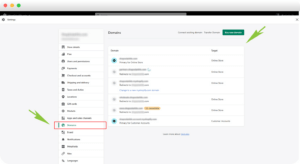
쇼피파이 스토어 비활성화 방법: 명확하고 실용적인 가이드
쇼피파이 스토어를 비활성화하는 것은 복잡하지 않지만, 많은 판매자가 간과하는 몇 가지 결과가 따릅니다. 이 가이드에서는 비활성화 과정을 간단하고 유익하게 설명합니다.
신발 매장 테마 5가지 비교
서론: 신발 전문 독립 매장에 적합한 테마를 선택하는 것은 단순히 시각적인 결정에 그치는 것이 아니라, 매장 확장성, 일상적인 운영, 그리고 장기적인 전환율에 직접적인 영향을 미칩니다.

쇼피파이 vs. 에tsy: 궁극의 온라인 판매 대결
서론: 두 플랫폼이 술집에 들어갔다… 쇼피파이와 에츠이를 사람에 비유하자면, 에츠이는 이미 어느 행사장에 부스를 차려놓은 매력적인 친구와 같을 것이다….

Shopify 또는 WordPress 사이트가 해킹당했나요? 해결 방법은 다음과 같습니다.
서론: 깨진 창문을 마주한 것과 같은 디지털 세상 상상해 보세요. 아침에 일어나 커피를 마시고 노트북을 켰는데… 웹사이트가 깨져 있는 모습을 발견하는 겁니다….
정신줄 놓지 않고 쇼피파이 스토어 시작하는 방법
쇼피파이 스토어를 시작하는 건 꽤 멋진 일처럼 들립니다. 점심에 커피를 마시며 판매 알림을 확인하고, 친구들에게 "내 스토어가 꽤 잘 됐어..."라고 태연하게 말하는 모습을 상상하게 되죠.
쇼피파이는 믿을 만한 플랫폼일까요? 온라인 판매 초보자를 위한 명확한 가이드
전자상거래 플랫폼을 알아보고 있다면, 구글에 아주 구체적인 질문 하나를 입력해 봤을 가능성이 높습니다. 바로 "쇼피파이는 믿을 만한 플랫폼일까?"라는 질문이죠. 이 질문은 지극히 당연합니다. 온라인 쇼핑몰을 시작하려면...