












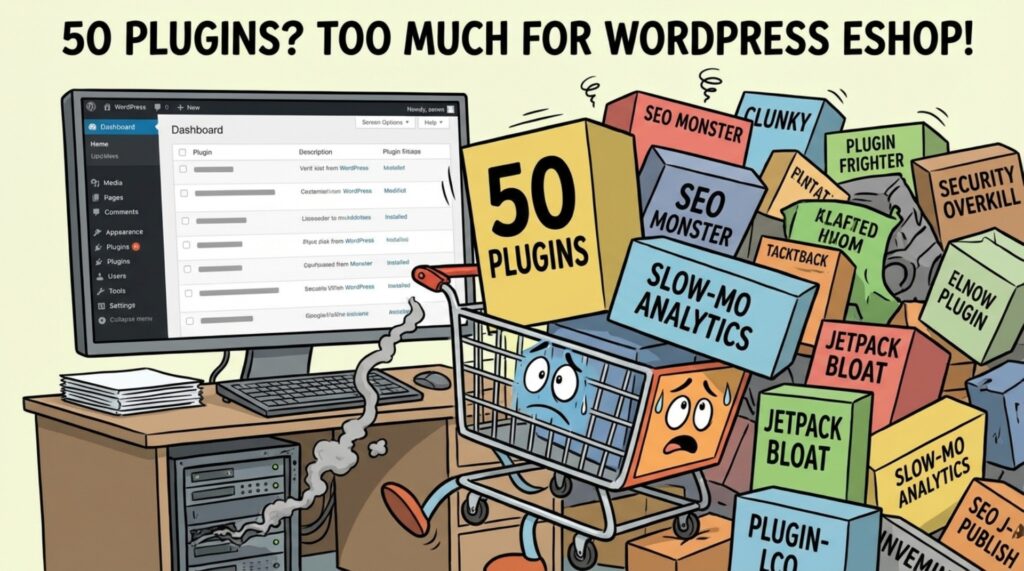
Understanding the Real Performance Impact
Having 50 plugins on a WordPress eCommerce site isn’t automatically a problem. In fact, the number alone rarely determines performance. What truly matters is how those plugins are built, maintained, and configured. A well-optimized store can run smoothly with dozens of plugins, while a poorly managed site can slow to a crawl with far fewer.
When building a WordPress eShop, plugins are essential. They power everything from payments and shipping to SEO, security, and customer experience. But relying too heavily on plugins—without strategy—can quietly undermine site speed, stability, and scalability.
So where’s the real line? And when do plugins become a liability instead of an asset?
Let’s break it down.
The Plugin Paradox: More Features, More Responsibility
Why Plugins Are Essential for WordPress eShops
Plugins extend WordPress beyond its core capabilities. For eCommerce stores, they enable critical features such as:
- Product and inventory management
- Payment gateways and checkout flows
- SEO optimization
- Security and anti-spam protection
- Performance enhancements
Without plugins, WordPress simply wouldn’t be a viable eCommerce platform.
However, every plugin also introduces additional code, scripts, and database activity. When unmanaged, this extra load can affect page speed—an especially serious issue for online stores, where even a one-second delay can reduce conversions and increase bounce rates.
How Multiple Plugins Can Slow Down Your Store
1. Increased HTTP Requests
Most plugins load their own CSS, JavaScript, and assets. Each file adds an HTTP request when a page loads. With 50 plugins, those requests can quickly multiply.
More requests = longer load times.
This becomes especially noticeable on product pages, category pages, and checkout flows—areas where speed directly impacts revenue.
2. Database Bloat
Many plugins store data in the WordPress database. Over time, this can lead to:
- Larger tables
- Slower queries
- Heavier server load
Plugins that don’t clean up after themselves—such as leaving behind old transients, logs, or unused tables—can gradually degrade performance without obvious warning signs.
3. Plugin Conflicts and Redundancy
When multiple plugins attempt to modify similar functionality (headers, scripts, checkout behavior, tracking, etc.), conflicts can occur. Even when no visible errors appear, overlapping logic can create unnecessary processing overhead.
In an eCommerce environment—where plugins handle pricing, carts, taxes, and payments—these inefficiencies add up quickly.
4. Maintenance, Updates, and Security Risks
More plugins mean:
- More updates to manage
- More chances for compatibility issues
- More potential security vulnerabilities
Outdated or abandoned plugins can slow down your site or expose it to attacks. A compromised plugin doesn’t just threaten security—it can destroy performance and uptime.
Can a WordPress eShop Run Well with 50 Plugins?
Yes—if they’re chosen and managed correctly.
The problem isn’t the number. It’s poor-quality plugins, overlapping functionality, and lack of optimization.
Many high-performing WordPress stores run 40–60 plugins without issues because they follow best practices.
How to Maintain Speed with Many Plugins
1. Be Selective and Strategic
Not all plugins are created equal. Prioritize plugins that are:
- Actively maintained
- Well-reviewed
- Lightweight and performance-conscious
Whenever possible, choose multi-purpose plugins instead of stacking several single-function ones. One well-built SEO plugin is better than five scattered tools doing the same job.
2. Regularly Audit Your Plugin Stack
Plugin audits should be routine—not reactive.
Ask yourself:
- Is this plugin still necessary?
- Does another plugin already cover this feature?
- Has it been updated recently?
Remove anything redundant, outdated, or unused. Fewer active plugins mean less code to execute and fewer things that can go wrong.
3. Optimize the Site Around the Plugins
Plugins don’t operate in isolation. Performance depends on the entire ecosystem.
Key optimizations include:
- Caching: Reduce server load by serving static content
- Image optimization: Compress and serve properly sized images
- CSS & JS minification: Reduce file size and requests
- Hosting quality: A weak server will struggle regardless of plugin count
Tools like WP Rocket, Autoptimize, or server-level caching can dramatically offset plugin overhead.
4. Monitor Performance Continuously
Use tools like:
- Google PageSpeed Insights
- GTmetrix
- Pingdom
If performance drops after installing a plugin, that’s your signal. Test plugins individually to identify the bottleneck before it impacts users.
Final Thoughts
At the end of the day, the number of plugins on a WordPress eCommerce site isn’t the real issue. What truly determines performance is strategy, structure, and execution. With the right plugin choices, proper optimization, and a well-planned architecture, even a feature-rich store can remain fast, stable, and scalable.
에서 AIRSANG, this is exactly what we focus on. We specialize in WordPress and 쇼피파이 website eCommerce store building, and conversion-driven web design. Instead of blindly stacking plugins, we design clean, efficient systems that balance functionality, performance, and long-term growth.
If you’re building a new online store, struggling with slow load times, or feeling overwhelmed by plugin conflicts and technical decisions, AIRSANG can help. We don’t just build websites — we create optimized, scalable platforms that support real business results.


완전한 전자상거래 시스템을 갖춘 워드프레스 웹사이트 또는 기업 사이트를 디자인하고 구축하세요.
가격 범위: $200.00~$2,500.00사용자 지정 요구 사항 또는 특별 견적
원래 가격: $2.00.$1.00현재 가격: $1.00. 해커들이 워드프레스 관리자 이메일을 훔치는 방법(그리고 이를 막는 방법)
불편한 진실부터 말씀드리자면, 워드프레스 관리자 이메일은 생각보다 훨씬 더 많이 공개되어 있습니다. 그들은 그것을 좋아합니다. 해커에게 여러분의...
워드프레스에 대한 리플레이 공격: 실제 위협인가, 과장된 신화인가?
먼저 한 가지를 분명히 해두죠. 리플레이 공격은 겉보기에 무섭지 않습니다. 비밀번호를 날려버리지도 않고, 초록색 해커 텍스트가 사방에 흩날리는 악성 코드를 주입하지도 않습니다. 그저 교묘하게 이루어질 뿐입니다.
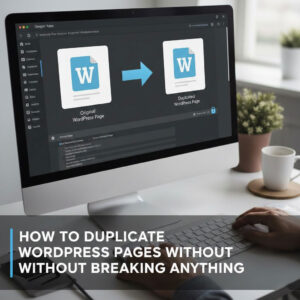
WordPress 페이지를 손상 없이 복제하는 방법
솔직히 말해봅시다. 때로는 새 페이지를 만들고 싶지 않을 때가 있죠. 그냥 기존 페이지를 약간만 다르게 하고 싶을 때가 있어요. 레이아웃도, 블록도, 설정도 그대로요. 왜냐하면...

반려동물 관련 워드프레스 테마 5가지 비교
서론 반려동물 관련 워드프레스 테마를 선택하는 것은 단순한 디자인 결정 이상의 의미를 지닙니다. 사용성, 확장성, 그리고 장기적인 비즈니스 성장에 직접적인 영향을 미치기 때문입니다. 반려동물 관리 및 관련...

수영복 온라인 쇼핑몰 테마 5가지 비교
서론 수영복이나 란제리 독립 매장에 적합한 테마를 선택하는 것은 단순히 시각적인 결정에 그치는 것이 아니라, 전환율, 확장성, 그리고 장기적인 성공에 직접적인 영향을 미칩니다.
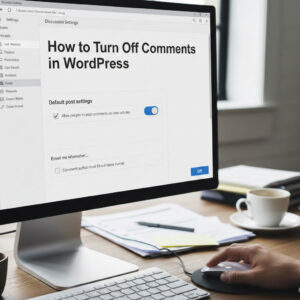
워드프레스에서 댓글 기능을 끄는 방법 (정신줄 놓지 않고)
워드프레스 댓글에 대해 이야기해 봅시다. 이론적으로 댓글은 훌륭합니다. 토론을 장려하고, 커뮤니티를 형성하며, 웹사이트에 생동감을 불어넣습니다. 하지만 현실은 어떨까요? 댓글은 종종 문제를 야기하기도 합니다...
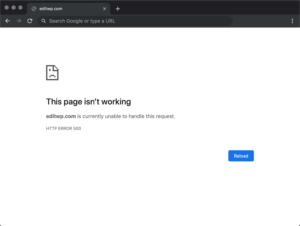
워드프레스 500 오류: 웹사이트가 갑자기 오류를 일으킬 때
방금 전까지만 해도 워드프레스 사이트는 아무 문제 없었는데, 페이지를 새로고침하자마자 갑자기 💥 500 내부 서버 오류가 발생했습니다. 아무런 설명도, 사과도 없이 그저 차갑고 혼란스러운 메시지만 남았습니다.