











 Japanese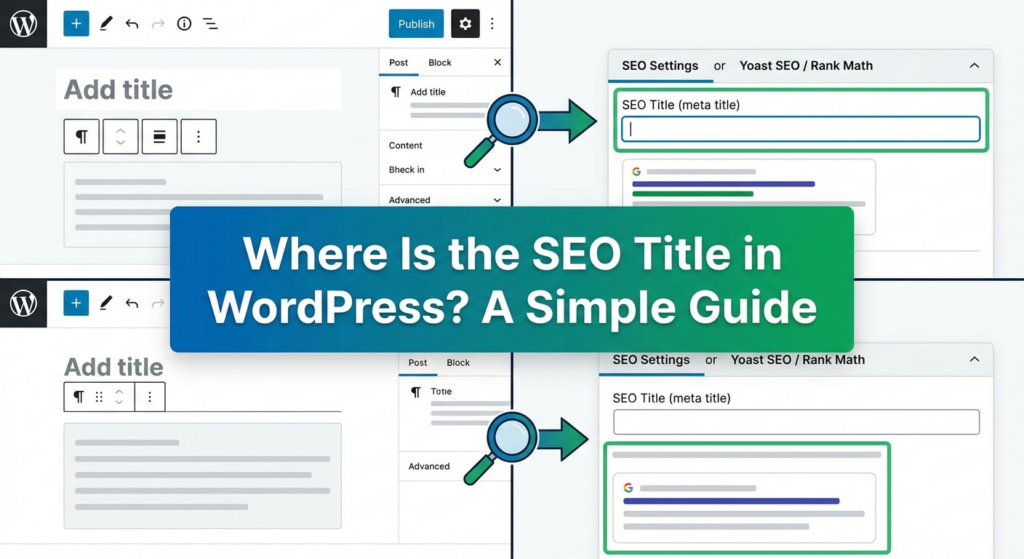
導入
Many ワードプレス beginners ask the same question: where is the SEO title in WordPress? The answer is simple, but it can feel confusing at first because WordPress does not always show the SEO title in one obvious place.
Your SEO title is usually managed through an SEO plugin such as Yoast SEO, All in One SEO, or Rank Math. In many cases, you can find it inside the editing screen of a post, page, product, category, or homepage. Some plugins place the SEO title box under the main content editor, while others place it in a sidebar or inside a snippet preview panel. The original guide explains that WordPress can generate a title automatically, but customizing it gives you more control over how your page appears in search results.
What Is an SEO Title in WordPress?
An SEO title is the title that search engines may display for your page in search results. It is also called a meta title or title tag. In simple terms, it tells search engines and users what your page is about.
For example, your WordPress post title might be:
How to Start a Blog
But your SEO title could be:
How to Start a Blog in WordPress: Beginner’s Guide
The second version is more specific. It includes the platform, gives users a clearer reason to click, and targets a more focused search phrase.
This is why the SEO title matters. It is not only a technical setting. It is also a small piece of marketing copy. A good SEO title can help users understand your content faster and may improve your click-through rate when your page appears in Google.
Where Is the SEO Title in WordPress?

The location depends on your setup.
In a basic WordPress installation, WordPress creates a page title based on your post or page title. However, if you want to edit the SEO title properly, you usually need an SEO plugin.
Most users will find the SEO title in one of these places:
Inside the post or page editor
Inside an SEO plugin box below the content editor
Inside the SEO plugin sidebar
Inside the homepage SEO settings
Inside global title template settings
So, when someone asks where is the SEO title in WordPress, the most practical answer is: open the page or post you want to optimize, then look for your SEO plugin’s title or snippet settings.
Finding the SEO Title with Yoast SEO
Yoast SEO is one of the most common WordPress SEO plugins. If you use Yoast, open the page or post you want to edit. Scroll below the main editor area and look for the Yoast SEO section. Depending on your WordPress editor layout, you may also see Yoast options in the sidebar.
Yoast lets users manage SEO titles through snippet settings and title templates. Yoast also supports snippet variables, which can automatically pull information such as the page title, site name, category, or separator into your SEO title.
A common Yoast title format may look like this:
Page Title | Site Name
This format is useful because it gives every page a clear title while also including your brand or website name. However, you can still edit individual pages when you want a more custom title.
Finding the SEO Title with Rank Math
Rank Math works in a similar way. Open your WordPress post or page editor and look for the Rank Math SEO panel. From there, you can edit the snippet and change the SEO title.
Rank Math also supports variables for SEO titles and descriptions, which helps users create dynamic title templates instead of manually editing every page one by one.
This is useful for larger websites. For example, if you run a blog with many articles, you may want every post title to follow a consistent format. Rank Math can help apply that structure automatically while still allowing manual edits when needed.
Finding the SEO Title with All in One SEO

All in One SEO also provides fields for editing SEO titles inside WordPress. After installing the plugin, open the page or post you want to optimize and look for the AIOSEO settings area. You can usually edit the page title, meta description, and search preview from there.
The original article notes that All in One SEO, Yoast SEO, and Rank Math all provide ways to find and edit the SEO title from the WordPress editing screen.
The exact layout may change depending on your plugin version, WordPress editor, and theme, but the idea is the same: the SEO title field lives inside the plugin’s SEO settings for that page.
Is the WordPress Page Title the Same as the SEO Title?
Not always.
Your WordPress page title is the title visitors usually see on the page itself. Your SEO title is the title search engines may show in search results.
Sometimes they are identical. For example:
Page title: About Us
SEO title: About Us
But for SEO, that title is too generic. A better SEO title could be:
About Our WordPress Design Studio | Brand Name
This version gives users and search engines more context.
The page title is mainly for people already on your website. The SEO title is mainly for people deciding whether to click your result from Google. Because of that, your SEO title should be clearer, more keyword-focused, and more attractive.
Where Is the Homepage SEO Title in WordPress?
The homepage can be slightly different from normal pages.
If your homepage is a static page, you can usually edit its SEO title by opening that page in WordPress and using your SEO plugin settings. Yoast explains that a static homepage can be edited through the homepage page itself, while a homepage showing latest posts may use plugin homepage settings.
To check your homepage setup, go to:
WordPress Dashboard → Settings → Reading
There, you can see whether your homepage displays your latest posts or a specific static page.
If it uses a static page, go to:
Pages → Your Homepage → Edit → SEO Plugin Settings
If it uses latest posts, go to your SEO plugin’s homepage or content type settings.
How to Edit the SEO Title in WordPress
Here is the general process:
WordPressダッシュボードにログインしてください。.
Go to Posts or Pages.
Open the page or post you want to optimize.
Find your SEO plugin panel.
Look for a field called SEO Title, Title, or Snippet Title.
Write your custom SEO title.
Save or update the page.
After saving, your SEO plugin will usually update the title tag output for that page. Search engines may not show the change immediately. Google needs to recrawl the page first, and it may still rewrite the displayed title if it thinks another version is more helpful for users.
How Long Should an SEO Title Be?
A good SEO title should be clear and not too long. Many SEO tools recommend keeping titles around 50 to 60 characters because overly long titles may be cut off in search results.
However, character count is not the only thing that matters. Your title should also be readable, relevant, and useful.
A weak title might be:
SEO Title WordPress
A stronger title might be:
Where Is the SEO Title in WordPress? Beginner Guide
The stronger version includes the target keyword, explains the purpose of the article, and sounds natural.
How to Write a Better WordPress SEO Title
A strong SEO title usually includes four things:
A clear topic
A target keyword
A user benefit
A natural structure
For this article, the keyword is where is the seo title in wordpress. A title built around that keyword should sound natural instead of forced.
Good examples include:
Where Is the SEO Title in WordPress? Simple Guide
Where Is the SEO Title in WordPress and How to Edit It
How to Find the SEO Title in WordPress
Each version targets the same search intent. The user wants to know where the title is located and how to change it.
Should You Use the Exact Keyword in the SEO Title?
Using the exact keyword can help, but it should still sound natural. Search engines are better at understanding meaning now, so you do not need to repeat the keyword awkwardly.
For example, this title works well:
WordPressのSEOタイトルはどこにあるのか?簡単なガイド
This title is clear, readable, and keyword-focused.
This title is not good:
Where Is the SEO Title in WordPress SEO Title WordPress Guide
It repeats words, feels unnatural, and may reduce clicks.
Your title should be written for real users first. If users understand it quickly, search engines can usually understand it too.
What Is the Site Title in WordPress?
The site title is different from the SEO title of a single page.
Your site title is the name of your entire website. You can usually edit it in:
WordPress Dashboard → Settings → General
There, you will see fields for Site Title and Tagline. The original article also explains that the site title, separator, and tagline can influence how default titles are generated.
For example, if your site title is “Bright Home Blog,” WordPress or your SEO plugin may automatically create titles like:
Kitchen Design Ideas | Bright Home Blog
The separator is the symbol between the page title and the site title. Common separators include:
|
:
•
Your SEO plugin usually lets you choose the separator.
What Are SEO Title Variables?

SEO title variables are placeholders that automatically insert information into your title.
例えば:
%title% | %sitename%
This may generate:
About Us | Bright Home Blog
Yoast and Rank Math both support variables for automatically generating titles and descriptions. Yoast describes snippet variables as a way to automate title and meta description templates across different content types.
Variables are helpful when you have many pages. Instead of editing every title manually, you can create a default pattern. Then you can manually customize important pages such as your homepage, service pages, landing pages, and high-value blog posts.
When Should You Manually Edit an SEO Title?
You should manually edit an SEO title when the default title is too short, too vague, too long, or missing the main keyword.
For example, a default title might be:
サービス
A better SEO title might be:
WordPress Website Design Services for Small Businesses
The improved version is more specific. It tells users what the page offers and who it serves.
You should also customize SEO titles for:
ホームページ
Main service pages
Product pages
Category pages
Important blog posts
ランディングページ
Pages targeting competitive keywords
Default templates are useful, but important pages deserve a custom title.
Common SEO Title Mistakes in WordPress
One common mistake is using the same SEO title on multiple pages. Each important page should have a unique title. Duplicate titles can make it harder for search engines to understand which page should rank for a specific query.
Another mistake is writing titles that are too vague. A title like Welcome does not explain the page. A title like Handmade Jewelry Store in New York gives much more context.
A third mistake is stuffing too many keywords into the title. Keyword stuffing can make your result look spammy. A title should include the main keyword naturally, not repeat it several times.
A fourth mistake is forgetting to check the search preview. Most SEO plugins show how your title may appear in search results. Use that preview to make sure the title is not too long or unclear.
Why Google May Show a Different Title
Even if you edit your SEO title in WordPress, Google may sometimes show a different title in search results. This does not always mean your plugin is broken.
Google may rewrite a title when it thinks another version better matches the search query or page content. It may use your heading, anchor text, page content, or other signals.
To reduce the chance of unwanted rewrites, make sure your SEO title matches the page content. Your H1 heading, introduction, and page topic should support the title. If your title promises one thing but the page discusses something else, search engines may adjust it.
How to Check Your SEO Title
You can check your SEO title in a few ways.
First, look at your SEO plugin preview. This is the easiest method for beginners.
Second, open the page in your browser and check the browser tab. The text shown in the tab often reflects the title tag.
Third, view the page source and look for the <title> tag inside the <head> section. The original article notes that the title can be found in the HTML head area between the title tags.
Fourth, you can search your page in Google after it has been indexed. However, remember that Google may display a rewritten version.
Best Practice SEO Title Formula
A simple SEO title formula is:
Main Keyword + Benefit or Context + Brand Name
例えば:
Where Is the SEO Title in WordPress? Simple Guide
Or for a service page:
Shopify Website Design Services for Jewelry Brands
Or for a product page:
Minimalist Gold Necklace for Everyday Wear
The formula should not feel mechanical. Use it as a guide, then rewrite the title so it sounds human.
Final Summary
The SEO title in ワードプレス is usually found inside your SEO plugin settings, not in the normal visual content area of the page. If you use Yoast SEO, Rank Math, or All in One SEO, open the post or page editor and look for the plugin’s SEO title, snippet, or metadata section. For the homepage, check whether your site uses a static page or latest posts, then edit the SEO title through the page editor or your plugin’s homepage settings.
A good SEO title helps search engines understand your page and helps users decide whether to click. Keep it clear, specific, keyword-focused, and natural. Use title templates and variables for efficiency, but manually customize your most important pages. When you understand where the SEO title is in WordPress and how to edit it, you gain more control over how your website appears in search results.
よくある質問
1. Where is the SEO title in WordPress?
The SEO title is usually inside your SEO plugin settings. Open a post or page, then look for the SEO panel from Yoast SEO, Rank Math, All in One SEO, or another SEO plugin.
2. Is the SEO title the same as the WordPress post title?
Not always. The WordPress post title appears on the page, while the SEO title is mainly used for search results. You can keep them the same, but customizing the SEO title often gives better search visibility.
3. How do I edit the SEO title in WordPress?
Go to your WordPress dashboard, open the post or page, find the SEO plugin section, edit the SEO title field, then update or publish the page.
4. Do I need an SEO plugin to change the SEO title?
Usually, yes. WordPress can generate a basic title automatically, but an SEO plugin gives you direct control over the SEO title, meta description, and search preview.
5. How long should a WordPress SEO title be?
A good SEO title is usually around 50–60 characters. It should be clear, readable, and include the main keyword naturally.
6. Why is Google showing a different SEO title?
Google may rewrite your SEO title if it thinks another version better matches the search query or page content. To reduce this, make sure your SEO title clearly matches the page topic and main heading.


WordPressのウェブサイトや、完全なeコマースシステムを備えたコーポレートサイトをデザイン・構築します。.
価格帯$200.00~$2,500.00custom-requirements-or-special-quotations
元価格は$2.00。.$1.00現在の価格は$1.00。. WordPress の電子商取引ストアに 50 個のプラグインは多すぎますか?
WordPressのeコマースサイトに50個のプラグインがあるからといって、それが自動的に問題になるわけではありません。実際、数だけでパフォーマンスが決まることはほとんどありません。.

Amazonホーム理学療法機器のメイン画像デザイン解説
はじめにAmazonで家庭用治療器の信頼できるイメージを構築する Amazonで家庭用治療器のメインイメージをデザインする際、私たちが最も重視するのは...
Amazon リップスティックコンバージョンのメイン画像デザイン
はじめにアマゾンで売れる口紅のメイン画像をデザインする アマゾンの口紅のメイン画像をデザインするとき、私たちの責任は...

ハッカーがWordPress管理者のメールアドレスを盗む方法(そしてそれを阻止する方法)
WordPressの管理者メールアドレスは、あなたが思っている以上に公開されているのです。ハッカーはそれが大好きです。彼らにとって、あなたの...

Amazonのリキッドファンデーションのメイン画像がコンバージョンにつながる理由
はじめに Amazonリキッドファンデーションのメイン画像デザインは、単に商品を美しく見せるだけではありません。Amazonでは、メイン画像と….

フィルターカートリッジの効果的なAmazonメインイメージのデザイン
はじめに Amazonのメイン画像をデザインする上で、商品を魅力的に見せることは決して重要ではありません。明確さ、信頼性、そして瞬時に理解できることが何よりも重要です。特に….

WordPress へのリプレイ攻撃: 本当の脅威か、それとも誇張された神話か?
まず最初に明確にしておきましょう。リプレイ攻撃は見た目には怖くありません。パスワードを破壊したり、緑色のハッカーテキストが飛び交うような悪質なコードを挿入したりもしません。彼らは狡猾なのです…。.
WordPressページを何も壊さずに複製する方法
正直に言って、新しいページを作りたくない時もあるでしょう。同じページを少しだけ変えたいだけなのに。レイアウトもブロックも設定も全部同じ。なぜなら….

ペット向けWordPressテーマ5選を比較
はじめに ペット関連のWordPressテーマを適切に選ぶことは、単なるデザイン上の決定ではありません。使いやすさ、拡張性、そして長期的なビジネスの成長に直接影響します。ペットケアとペット...
5つの水着eコマーステーマを比較
はじめに 水着やランジェリーの独立ストアに適切なテーマを選択することは、見た目だけの問題ではなく、コンバージョン率、拡張性、長期的な効果に直接影響します...
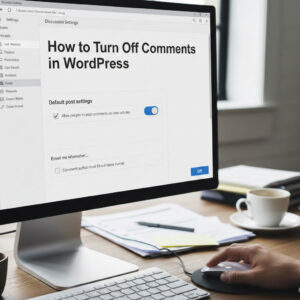
WordPressでコメント機能をオフにする方法(気が狂わずに)
WordPressのコメントについてお話しましょう。理論上は、コメントは素晴らしいものです。議論を促し、コミュニティを築き、ウェブサイトに「活気」を与えてくれます。しかし実際にはどうでしょうか?コメントはしばしば人を惹きつけ….

WordPress 500エラー:ウェブサイトがパニックに陥ったとき
WordPressサイトはほんの少し前までは問題ありませんでした。ページを更新した途端、突然…ドカーン💥…500 内部サーバーエラーが発生してしまいました。説明も謝罪もありませんでした。ただ冷たく、混乱を招くメッセージが表示され、その内容は….

科学主導のブランドのためのスケーラブルなWordPressウェブサイトの構築:AminoUSAプロジェクト
はじめに 今日のデジタル環境において、ウェブサイトは単なる製品リストを掲載する場所ではありません。規制の厳しい業界や研究重視の業界で事業を展開する科学主導のブランドにとって、ウェブサイトは….

グローバルブレードブランドのためのスケーラブルなShopifyストアの構築:CoolKatanaプロジェクト
はじめに 越境電子商取引において、Shopify の Web サイトは単なる店舗ではありません。ニッチで文化主導のカテゴリーで活動するブランドにとって、Web サイトは単なる店舗以上のものを実現する必要があります...
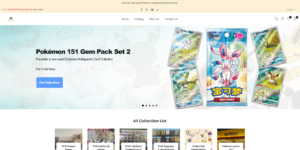
ポケモンカード向け高コンバージョンShopifyストアの設計
はじめに 収集可能な電子商取引の世界、特にポケモン トレーディング カード ゲーム (TCG) 市場では、Web サイトは単に製品をリストするだけでは不十分です。...
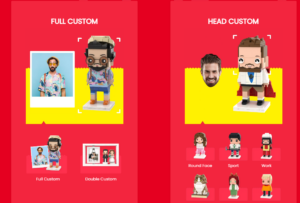
カスタムレンガブランドのための高コンバージョンShopifyデザイン
はじめに 今日の競争の激しいeコマース市場、特にパーソナライズされたギフトやコレクターズアイテムの分野では、Shopifyのウェブサイトは商品を展示する以上の機能を提供する必要があります。それは….
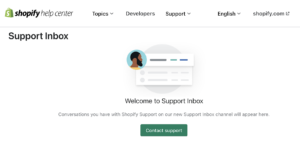
Shopifyサポートへの問い合わせ方法:シンプルでストレスフリーなガイド
Shopifyストアの運営は、混乱するのではなく、ワクワクするものであるべきです。疑問が生じたり、問題が発生して作業が滞ったりした場合でも、Shopifyは状況に応じて複数のサポートパスをご用意しています。.
Shopifyストアを非アクティブ化する方法:分かりやすく実践的なガイド
Shopifyストアの無効化はそれほど複雑ではありませんが、多くのマーチャントが見落としている影響があります。このガイドでは、そのプロセスを分かりやすく解説します。.